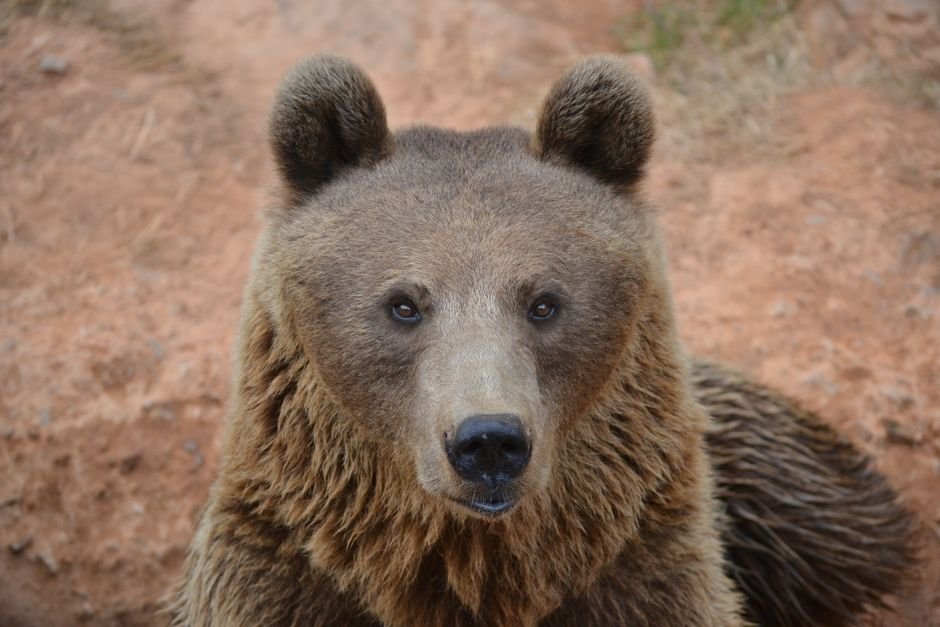
The U.S. Fish and Wildlife Service announced this week it will decide by March 2027 whether to remove Yellowstone-area grizzly bears from Endangered Species Act protection — a move that could allow the first legal grizzly hunt in the Lower 48 since 1991. The decision has ranchers and outfitters lining up against conservation groups in what’s become one of the West’s most bitter wildlife battles.
Grizzly populations around Yellowstone have recovered from roughly 136 bears in 1975 to an estimated 1,000 today. Federal officials say that exceeds recovery goals by a wide margin. But environmental groups argue the bears need continued protection to expand into historic range beyond the Greater Yellowstone Ecosystem.
Why Ranchers Want State Management Restored
Livestock producers in Montana, Wyoming, and Idaho say they’ve shouldered the burden of grizzly recovery long enough. Bears killed 176 cattle and sheep in the tri-state area last year, with ranchers receiving partial compensation that often doesn’t cover actual losses or the cost of extra security measures.
“We’re not anti-bear, but we’ve proven we can live with them,” says Dan Vermillion, a Montana rancher and former Fish and Wildlife Commission member. “Now we’re told recovery means bears expanding into areas where they’ll conflict with even more ranching operations. That’s not conservation — that’s using rural communities as a buffer zone.”
State wildlife agencies in all three states support delisting and have drafted management plans that would allow limited hunting to control population growth and reduce livestock conflicts. Hunters argue a carefully managed season would generate funding for bear conservation while giving states flexibility federal management lacks.
The Conservation Case for Continued Protection
Environmental groups counter that grizzlies occupy less than 5% of their historic range and face threats including climate change affecting food sources, habitat fragmentation from development, and genetic isolation. They point to a 2018 delisting attempt that federal courts reversed, finding the government failed to account for threats to long-term survival.
“A thousand bears sounds like a lot until you understand they’re confined to islands of habitat with limited connectivity,” says Andrea Zaccardi of the Center for Biological Diversity. The groups argue any hunting season risks reversing decades of recovery work.
What Happens Next
The Fish and Wildlife Service is reviewing five years of new population data and consulting with tribal governments, many of whom oppose delisting on cultural grounds. Whatever the agency decides will almost certainly end up in federal court again.
For ranchers dealing with increasing bear encounters, another year of federal deliberation means another calving season spent watching the tree line.
Key Points
- Fish and Wildlife Service will decide by March 2027 whether Yellowstone grizzlies have recovered enough to remove ESA protection
- Grizzly population has grown from 136 bears in 1975 to roughly 1,000 today, exceeding federal recovery targets
- Ranchers report 176 livestock kills last year and want state management; environmentalists say bears need protection to expand beyond current limited range
Aporia News – November 01, 2026