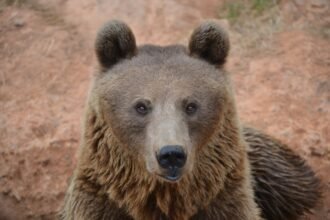
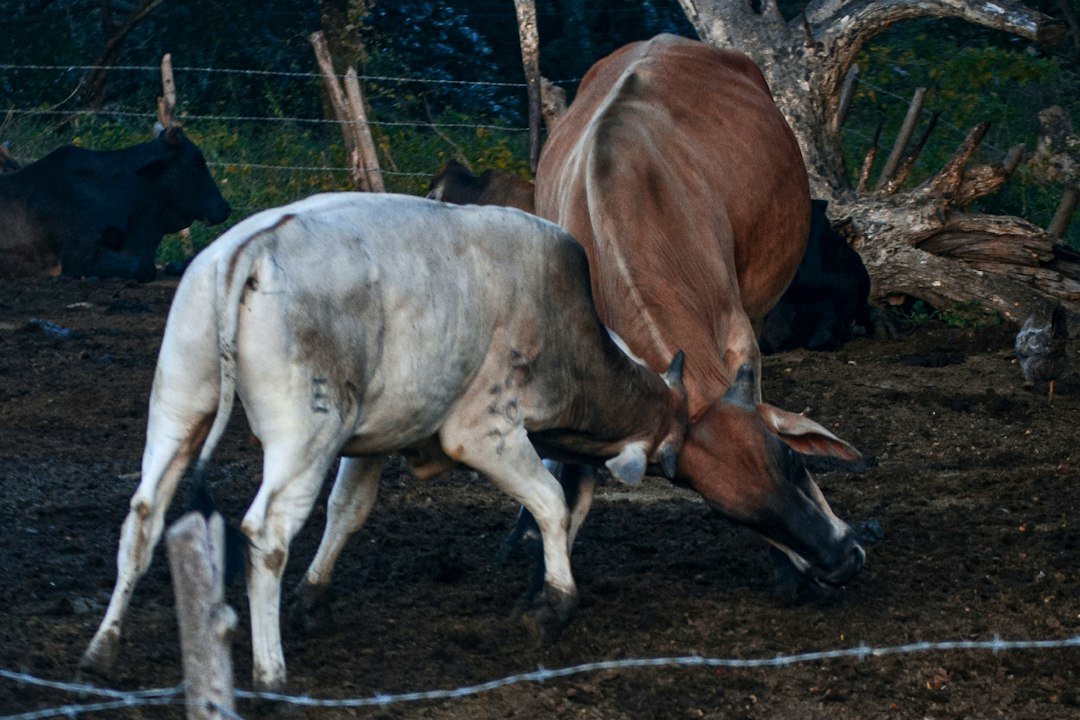
Colorado ranchers lost 63 head of cattle and sheep to wolf predation in 2026, according to state wildlife officials—triple the losses from the previous year. The escalating conflict comes as reintroduced gray wolves expand their territory across the Western Slope, testing promises made by conservationists that livestock losses would remain “minimal and manageable.”
The Colorado Parks and Wildlife Commission approved the state’s wolf reintroduction plan in 2023 after voters narrowly passed Proposition 114 by a 51-49 margin. Urban Front Range voters drove the victory while rural counties voted overwhelmingly against it. Now, three years into the program, ranching families say they’re bearing the cost of a conservation experiment they never wanted.
Ranchers Document Rising Predation and Financial Losses
Wade Garrett, a third-generation rancher in Jackson County, lost four calves worth $6,000 in September alone. “They tell us we’ll get compensated, but the state program only covers market value—not the genetics, not the time invested, not the stress on the herd,” Garrett said. “And good luck proving a kill when wolves scatter a carcass across two miles of wilderness.”
The state’s compensation fund paid out $127,000 in verified claims this year, but ranchers report the claims process is slow and many losses go unverified. Non-lethal deterrence measures like range riders and fladry fencing cost ranchers an additional $400-800 per month, expenses not fully covered by state programs.
Conservationists Say Recovery Cannot Wait for Perfect Conditions
Wildlife advocates counter that wolf populations remain far below historic levels and livestock losses represent a fraction of one percent of Colorado’s 2.6 million cattle. “We’re talking about 63 animals in a state with millions,” said Rachel Morrow of Wild Heritage Foundation. “These are manageable impacts for restoring an apex predator that was exterminated from Colorado in the 1940s.”
Federal and state agencies maintain that wolves play a crucial role in ecosystem health, controlling elk populations and altering grazing patterns that allow riparian areas to recover. Studies from Yellowstone show positive cascading effects on vegetation, beaver populations, and stream health following wolf reintroduction.
What Happens When Conservation Mandates Override Local Opposition
The core tension remains unresolved: Can wolf recovery coexist with ranching, or will expansion force rural families off land their ancestors homesteaded? Colorado’s program prohibits lethal removal except in extreme circumstances, even as neighboring Montana and Idaho have liberalized wolf hunting to address livestock conflicts. For ranchers watching their herds, the question isn’t whether wolves belong in the ecosystem—it’s who pays the price for bringing them back.
Key Points
- Colorado wolf predation killed 63 cattle and sheep in 2026, triple the previous year’s losses
- State compensation covers market value only, leaving ranchers to absorb costs of genetics, deterrence measures, and herd stress
- Wildlife advocates argue losses represent a tiny fraction of state livestock while restoring crucial ecosystem balance
Aporia News – November 02, 2026