
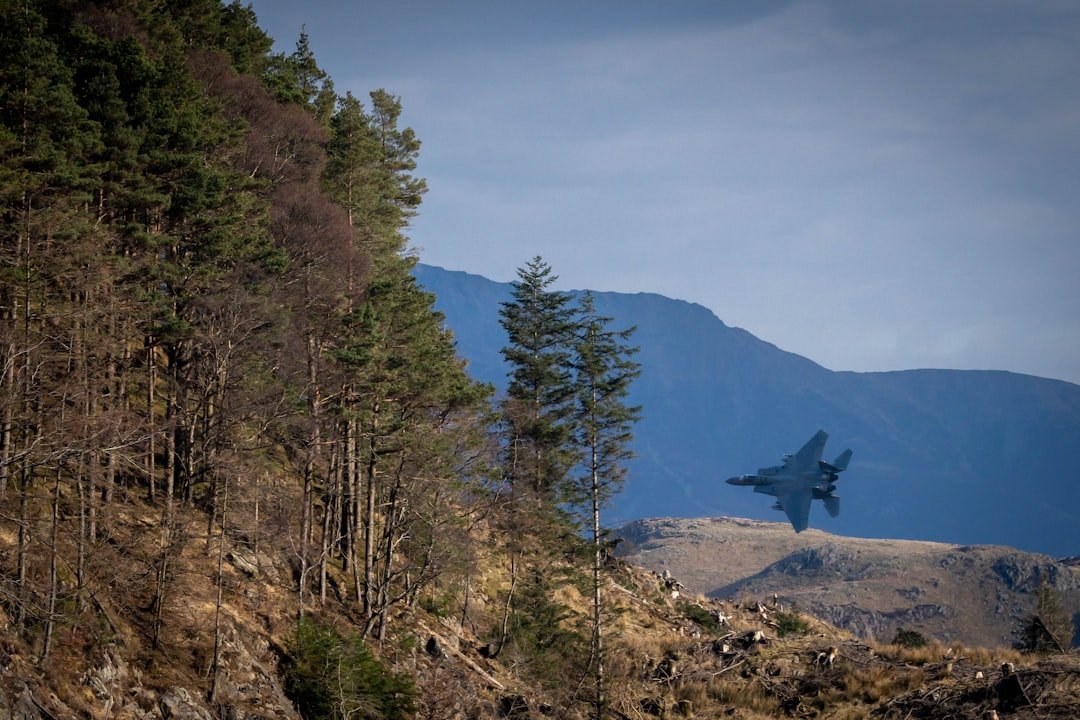
Britain stood aside as American forces prepared potential strikes against Iranian targets this week, exposing defense gaps that have drawn sharp criticism from President Trump and raised questions about the military capacity of America’s oldest ally.
The UK military cited resource constraints and readiness concerns in declining to participate in offensive operations against Iran, according to defense officials familiar with the planning. The decision came after Trump publicly questioned whether British forces could maintain their traditional role alongside U.S. troops in major operations.
Britain’s defense budget has shrunk to roughly 2.3% of GDP, barely meeting NATO’s minimum threshold. Years of cuts have left the Royal Navy operating fewer than 20 major surface vessels and the Royal Air Force flying aging Typhoon fighters that require extensive maintenance between missions. Army troop levels have fallen to their lowest point since the Napoleonic era.
The withdrawal from the Iran planning marks a stark departure from recent history. British forces participated in strikes against Syria in 2018 and maintained a steady presence in anti-ISIS operations. During the Iraq War, the UK deployed 46,000 troops alongside American forces.
For American military families, Britain’s decline carries direct consequences. U.S. forces increasingly bear the full burden of deterring adversaries and responding to crises. When allies lack capability, more American pilots fly more missions, more Navy ships extend deployments, and fewer coalition partners share the risk.
The Iran standoff emerged after Tehran-backed militias attacked U.S. positions in Iraq, wounding seven American service members. Pentagon planners developed options for retaliation but found few allies capable of contributing meaningful military support on short notice.
Trump’s criticism of British military readiness has strained relations with Prime Minister David Wilson’s government, but defense analysts say the president identified a genuine problem. European NATO members have relied on American military strength for decades while allowing their own capabilities to atrophy.
Britain plans modest defense increases over the next three years, but rebuilding takes time. New ships require years to build, pilot training takes months, and reconstituting disbanded units means starting from scratch. The investments needed to restore British forces to their pre-2010 strength would require sustained political will and substantial public funds.
The immediate question facing Pentagon planners: which allies can America count on when deterrence fails and military action becomes necessary?
Key Points
- Britain cited resource constraints in declining to participate in offensive operations against Iranian targets alongside U.S. forces
- UK defense spending has fallen to NATO’s minimum threshold while the Royal Navy operates fewer than 20 major vessels and the Army sits at its smallest size since Napoleon
- America’s oldest military ally can no longer reliably contribute to combat operations, leaving U.S. forces to shoulder greater burden in deterring adversaries
https://www.foxnews.com/world/uk-defense-shortfalls-highlighted-britain-avoids-iran-offensive-role-amid-trump-criticism – May 16, 2026