The grizzly bear debate is heading for another collision between Washington bureaucrats and Western communities who live with the consequences of federal wildlife decisions.
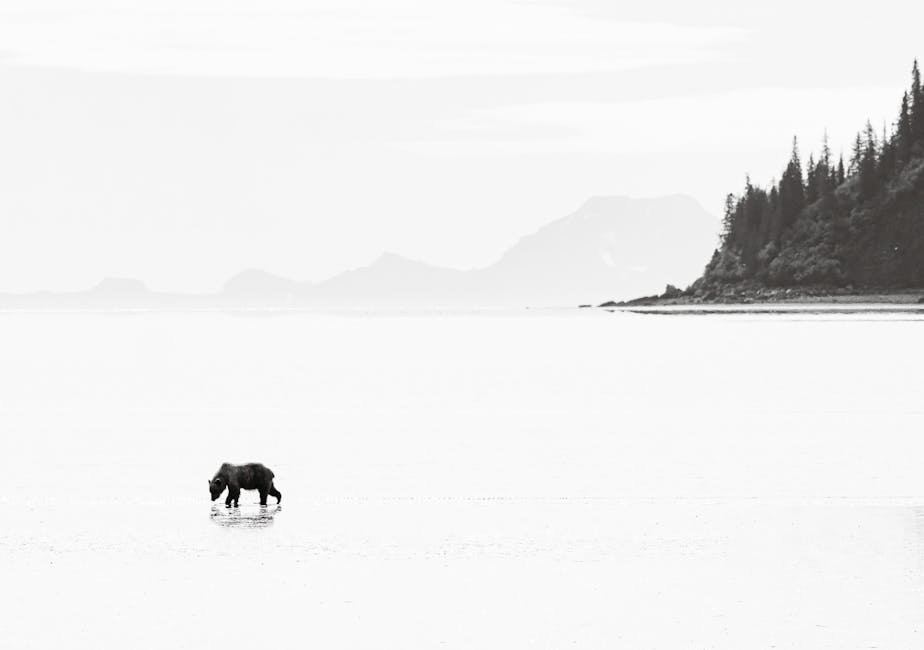
Montana, Wyoming, and Idaho are pushing the U.S. Fish and Wildlife Service to remove Yellowstone-area grizzlies from Endangered Species Act protection—a move that would restore state management and potentially allow limited hunting for the first time in decades. The bears have recovered from roughly 140 animals in 1975 to over 1,000 today in the Greater Yellowstone Ecosystem.
Conservation groups immediately filed preemptive legal challenges, arguing delisting is premature and that grizzlies need continued federal protection to expand into historical habitat. They point to genetic isolation, climate threats to food sources like whitebark pine, and the bears’ slow reproductive rate as reasons the population remains vulnerable.
But ranchers and rural residents see something different: an apex predator that’s exceeded recovery goals while livestock losses mount and human encounters increase. Federal data shows grizzly conflicts have risen sharply as bear numbers grow, with cattle killed, chicken coops raided, and grain storage destroyed. Some ranchers have lost multiple animals in single seasons.
“We’ve done our part—the bears came back,” said one Wyoming rancher who’s dealt with repeated depredations. “Now we’re told we need to accept more losses, more risk, while people in cities make decisions about animals in our backyards.”
The controversy centers on competing visions of what recovery means. Environmental organizations argue biological recovery requires bears recolonizing broader landscapes and connecting isolated populations. State wildlife agencies counter that the Yellowstone population meets every scientific benchmark established when grizzlies were listed 50 years ago.
There’s also the hunting question. Montana and Wyoming have indicated that delisting would allow carefully controlled trophy hunts, similar to black bear management. Hunters argue this would reduce problem bears and generate funding for conservation. Wildlife advocates call it unnecessary killing of an iconic species that draws millions in tourism dollars.
The legal battle will likely stretch for years, following the pattern of previous delisting attempts that courts blocked in 2018. Meanwhile, the fundamental tension persists: federal authorities managing wildlife from a distance versus local communities bearing the daily costs and risks of living alongside recovered predators.
What gets decided about grizzlies in Yellowstone will set precedents for wolf management, sage grouse listings, and countless other conflicts where rural Americans question whether conservation recovery ever actually ends—or just becomes permanent federal control.
Key Points
- Yellowstone grizzly population has grown from 140 bears to over 1,000, exceeding recovery goals, but remains federally protected
- Ranchers face increasing livestock losses and property damage as bear numbers grow, while distant authorities make management decisions
- Delisting debate reveals deeper conflict over whether conservation recovery ever ends or becomes permanent federal control of rural lands
Aporia News – May 20, 2026