The Navy announced Friday it has narrowed the field to seven defense contractors who will compete to build the service’s next generation of unmanned warships—robotic vessels designed to patrol dangerous waters without putting American sailors in harm’s way.
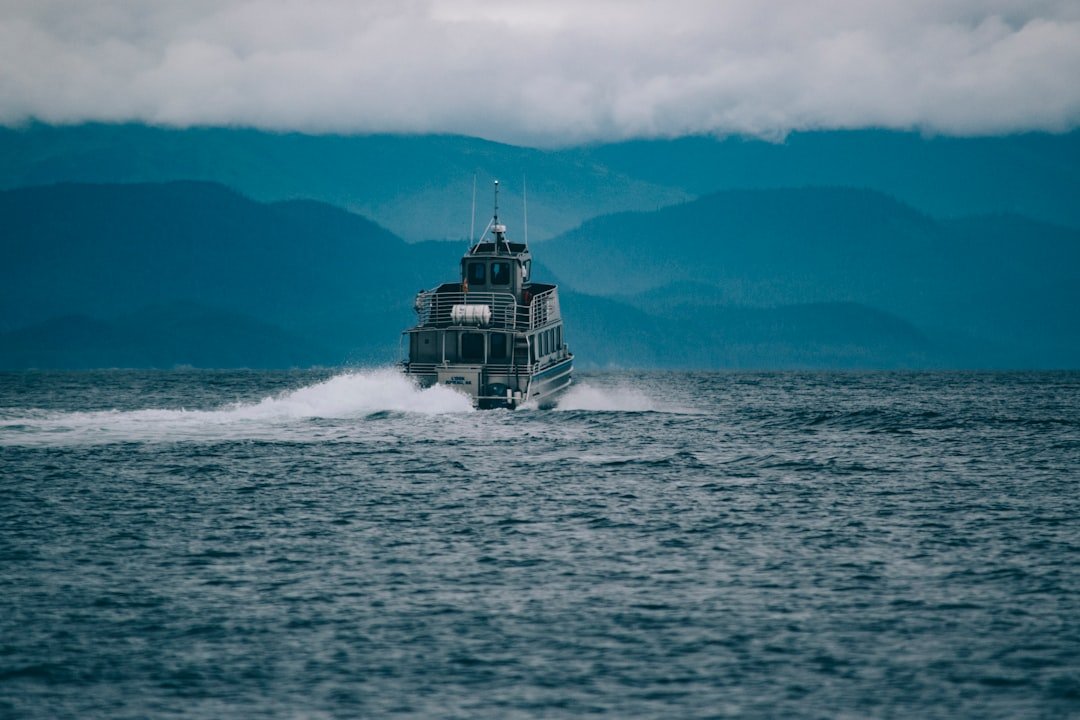
The Medium Unmanned Surface Vessel program marks a major shift in how the Navy plans to project power across the world’s oceans. These ships, roughly the size of a Coast Guard cutter, would operate for weeks at a time with no crew aboard, carrying sensors and weapons to augment the fleet’s manned destroyers and cruisers.
The seven companies selected—including defense giants and smaller specialized firms—will now build and test prototypes at sea. The competition will determine which designs can reliably operate in open ocean conditions and integrate with the Navy’s existing battle networks.
Navy officials view unmanned vessels as essential to maintaining American naval superiority as China rapidly expands its fleet. Beijing now operates more warships than the United States, though American vessels remain more capable. Unmanned ships offer a way to increase presence without the massive costs of building and manning traditional warships.
Each crewed destroyer requires roughly 300 sailors and costs over $2 billion. An unmanned vessel could cost a fraction of that while still contributing firepower and surveillance to a battle group. The Navy could deploy them in contested areas where the risk of losing a ship—and its crew—might otherwise prevent American presence.
The medium-sized vessels fill a crucial gap in the Navy’s unmanned strategy. Smaller drones already scout ahead of carrier groups. These larger platforms would carry more sophisticated radars and weapons, potentially including anti-ship missiles or air defense systems. They could screen for submarines, track enemy ships, or even engage hostile forces under human oversight.
Critical questions remain about how reliably these ships can operate without crews to fix mechanical problems or respond to unexpected situations. Earlier Navy unmanned programs have struggled with reliability. The ships must prove they can handle weeks at sea through storms and equipment failures without human maintainers aboard.
The prototype competition will test those capabilities in real ocean conditions. Companies will demonstrate their vessels can navigate, communicate, and carry out missions while human operators monitor from shore or other ships.
The winning design will likely enter production in the early 2030s, with the Navy planning to field dozens of these vessels. They represent a bet that technology has matured enough to trust expensive weapons platforms to artificial intelligence and remote control—a shift that would fundamentally change how American sea power operates.
Key Points
- Seven defense contractors will compete to build medium-sized unmanned warships that operate for weeks without crews aboard
- The vessels aim to counter China’s numerical fleet advantage at a fraction of the cost of traditional destroyers
- Critical tests ahead will determine if the technology is reliable enough to trust weapons platforms to remote control and AI in open ocean conditions
https://www.defensenews.com/news/your-navy/2026/06/02/us-navy-selects-companies-for-at-sea-musv-prototype-testing/ – June 03, 2026