
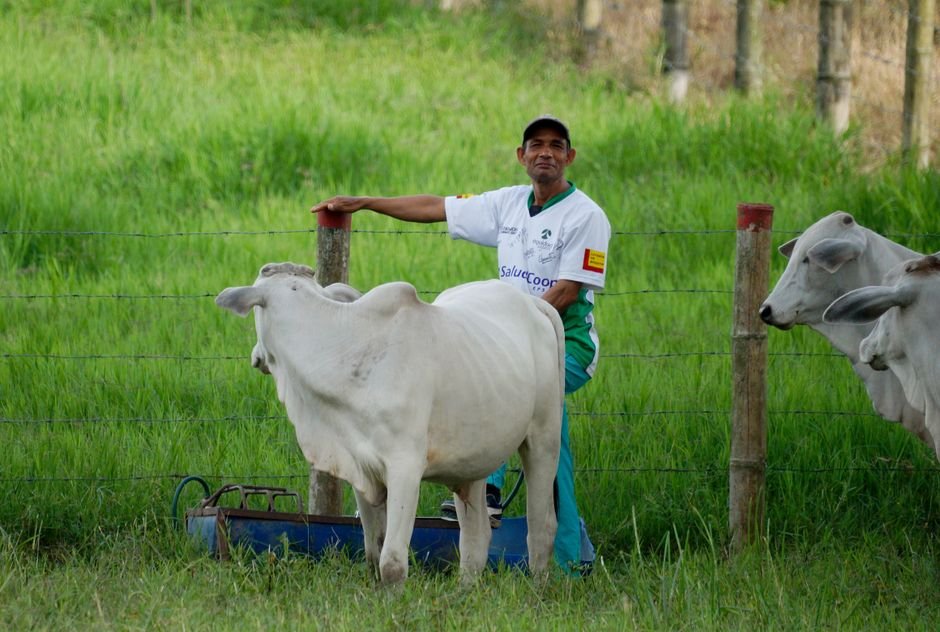
When wolves killed five calves on the Henderson Ranch in western Montana this spring, Jim Henderson did what the state’s compensation program told him to do: documented the kills, filed his claim, and waited. Six months later, he’s still waiting for $8,000 while facing another winter of losses.
Henderson’s experience reflects a growing frustration across wolf and grizzly country. As predator reintroduction expands into new territory, the compensation systems meant to ease tensions with ranchers are failing to deliver—creating a credibility crisis that threatens support for recovery efforts themselves.
The Promise Behind Predator Recovery Programs
Wildlife agencies have long argued that compensation funds would bridge the gap between conservation goals and ranching economics. The theory: if ranchers are made whole for their losses, they’ll tolerate predators on the landscape. Most programs cover market value for confirmed kills, and some even pay for “probable” losses and indirect costs like stress-induced weight loss in cattle.
Conservation groups emphasize that apex predators restore ecological balance, control prey populations, and represent biodiversity that benefits entire ecosystems. Reintroduction programs in the Northern Rockies and now the Colorado River basin are backed by voters who view wildlife recovery as a moral obligation.
Where the System Breaks Down
The reality looks different from ranch country. Montana’s program sits on a backlog of 200-plus claims. Colorado’s new wolf compensation fund requires kills to be confirmed within 24 hours—nearly impossible in remote grazing country. Wyoming’s program caps payouts at market value, ignoring breeding stock worth multiples of slaughter price.
Then there’s what the programs won’t cover: veterinary bills for injured livestock, increased labor costs for extra monitoring, guard dogs and fencing, the loss of grazing permits on federal land now considered critical wolf habitat, or the cumulative stress that pushes multi-generation ranches toward selling out.
“They want us to coexist with wolves,” says Henderson, “but they won’t even cut the check they promised.”
What’s at Stake for Rural Communities
The compensation dispute cuts deeper than money. To ranchers, it represents another broken promise from urban-dominated wildlife agencies imposing costs on rural America while providing bureaucratic runarounds instead of actual support. To conservationists, rancher resistance threatens hard-won recovery milestones and public support for future reintroductions.
Without functioning compensation systems, the middle ground disappears—leaving either abandoned recovery programs or abandoned ranches.
Key Points
- Montana rancher still waiting six months for payment on confirmed wolf kills worth $8,000
- State compensation programs face claim backlogs and restrictive requirements that exclude most ranching costs from coverage
- Broken payment systems threaten both rancher support for predator recovery and conservation program credibility
Aporia News – July 19, 2026