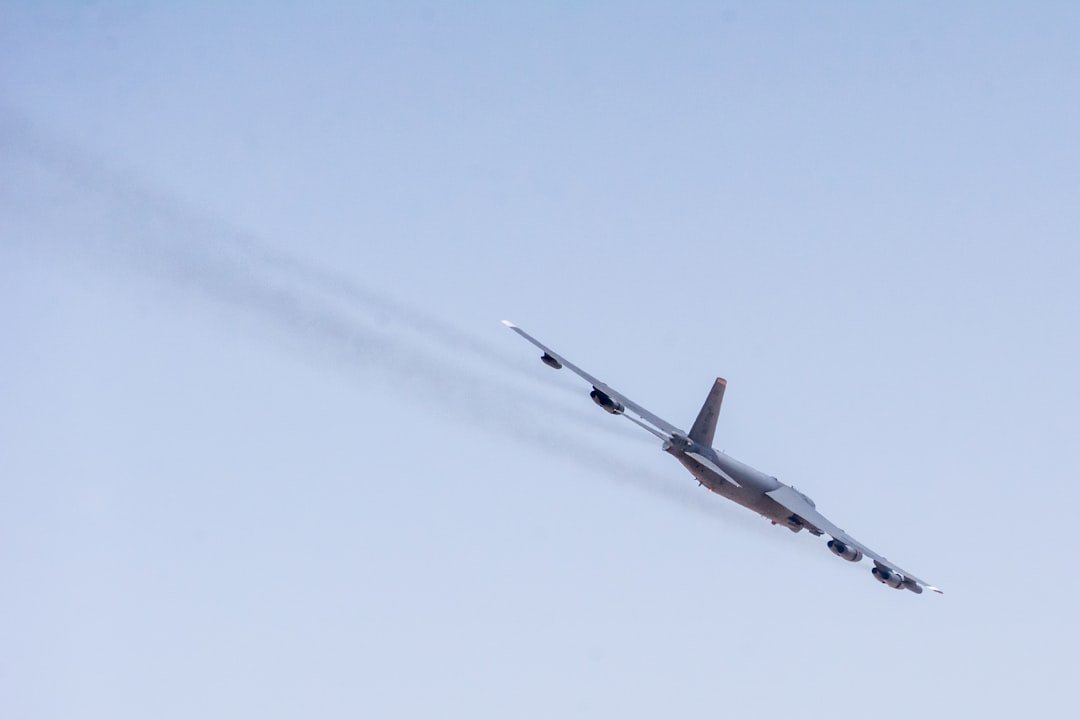
The Air Force’s aging B-52 bomber fleet is finally getting new engines after flying for six decades on technology designed during the Eisenhower administration. The service announced May 4 that its engine replacement program cleared critical design review, paving the way for the first aircraft modifications to begin before year’s end.
The B-52H Stratofortress currently flies on eight Pratt & Whitney TF33 engines manufactured in the 1960s. Those engines require increasingly scarce parts and extensive maintenance hours just to keep the bombers airborne. The new Rolls-Royce F130 engines will replace all eight powerplants on each aircraft, extending the service life of America’s long-range bomber force through 2050.
Clearing critical design review represents a major milestone for the $2.6 billion Commercial Engine Replacement Program. Engineers have now validated that the F130 engines will integrate properly with the B-52’s airframe and systems. The Air Force plans to modify 76 bombers, with the first aircraft entering depot maintenance later this year at Tinker Air Force Base in Oklahoma.
The timing matters because America’s bomber fleet faces mounting pressure from peer adversaries. China and Russia have invested heavily in air defenses and long-range strike capabilities while the U.S. has stretched its existing platforms thin. The B-52, despite its age, remains critical for projecting American power across the Pacific and deterring aggression against allies.
The new engines deliver more than just reliability. They will reduce fuel consumption by 30 percent, dramatically extending the B-52’s range and loiter time. That means bombers can stay on station longer, respond to crises faster, and operate from fewer forward bases. The engines also eliminate the need for water injection during takeoff, simplifying ground operations and reducing logistics overhead.
Defense officials expect the F130 engines to slash maintenance requirements and operating costs while improving the bomber’s performance envelope. Each aircraft will gain thrust and efficiency without requiring major structural changes to a 70-year-old airframe design that has proven remarkably adaptable.
The program now moves into production and installation phases. Boeing will integrate the engines as the prime contractor, working with Rolls-Royce to deliver all modifications by the early 2030s. The first re-engined B-52 should fly in 2028, with initial operational capability expected shortly after.
Congress has consistently funded the program despite tight defense budgets, recognizing that keeping the B-52 viable costs far less than developing an entirely new bomber platform.
Key Points
- The B-52’s current engines were manufactured in the 1960s and require increasingly scarce parts to maintain
- New Rolls-Royce engines will cut fuel consumption 30 percent while extending range and reducing maintenance costs
- First aircraft modifications begin this year at Tinker Air Force Base, with all 76 bombers upgraded by early 2030s