
California’s two biggest 2026 races have turned into referendums on Democratic governance itself, as years of street-level chaos and policy failures erode the party’s hold on America’s most populous state.
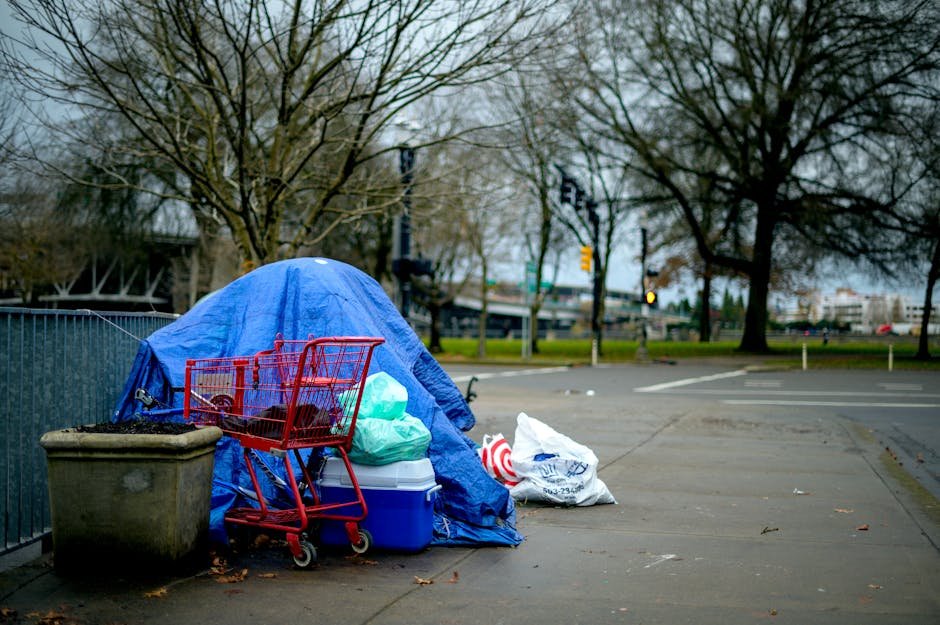
The governor’s race and a high-profile Los Angeles mayoral contest both hinge on a single question voters can see with their own eyes: Can Democrats still run a functional government? Homelessness camps line city streets. Crime remains elevated despite official statistics claiming otherwise. Middle-class families pay the nation’s highest taxes while watching services deteriorate.
Democratic strategists privately admit the party faces its toughest California environment in a generation. One veteran operative told reporters the challenge isn’t messaging—it’s reality. Voters experience the dysfunction daily when they step over needles on sidewalks or pay $6 for gas.
The governor’s race opened up after Representative Eric Swalwell dropped out in April amid renewed scrutiny of his past ties to a suspected Chinese intelligence operative. The scandal reignited questions about Democratic vetting and national security judgment that party leaders thought they’d put to rest years ago.
That vacuum created space for unconventional candidates, including reality TV personality Spencer Pratt, who’s running on a platform of basic competence: clean streets, safe neighborhoods, functioning schools. His campaign slogan—”Just Fix It”—resonates with voters exhausted by explanations for why the obvious never gets done.
In Los Angeles, the mayoral race centers on visible disorder in a city that once symbolized the California dream. Businesses have fled downtown. Tourism revenue dropped as visitors encountered aggressive panhandling and open-air drug markets. The current Democratic administration’s signature homelessness programs consumed billions while street encampments multiplied.
Republicans see an opening they haven’t had in California since the early 1990s. But even moderate Democrats acknowledge their party’s vulnerability. The question isn’t whether voters are angry—it’s whether that anger translates into ballot box revolt in a state where Democratic registration still outnumbers Republican by wide margins.
National implications loom large. California has incubated progressive policies that later spread nationwide. If voters reject that model at home, it signals trouble for Democrats’ 2028 presidential strategy and their governance brand heading into the next decade.
Both races will test whether Trump-era political realignments have reached deep-blue California, or whether Democratic loyalty still trumps frustration with Democratic results. Voters decide in November.
Key Points
- California’s top 2026 races have become referendums on years of Democratic governance failures visible in homelessness, crime, and deteriorating services despite highest-in-nation taxes
- Governor’s race opened after Rep. Eric Swalwell dropped out over Chinese spy scandal, creating space for unconventional candidates like Spencer Pratt running on basic competence
- Democratic strategists privately admit the party faces its toughest California environment in decades, with national implications for progressive policy models and 2028 presidential strategy
https://www.axios.com/2026/05/08/california-election-democrats-spencer-pratt – May 08, 2026