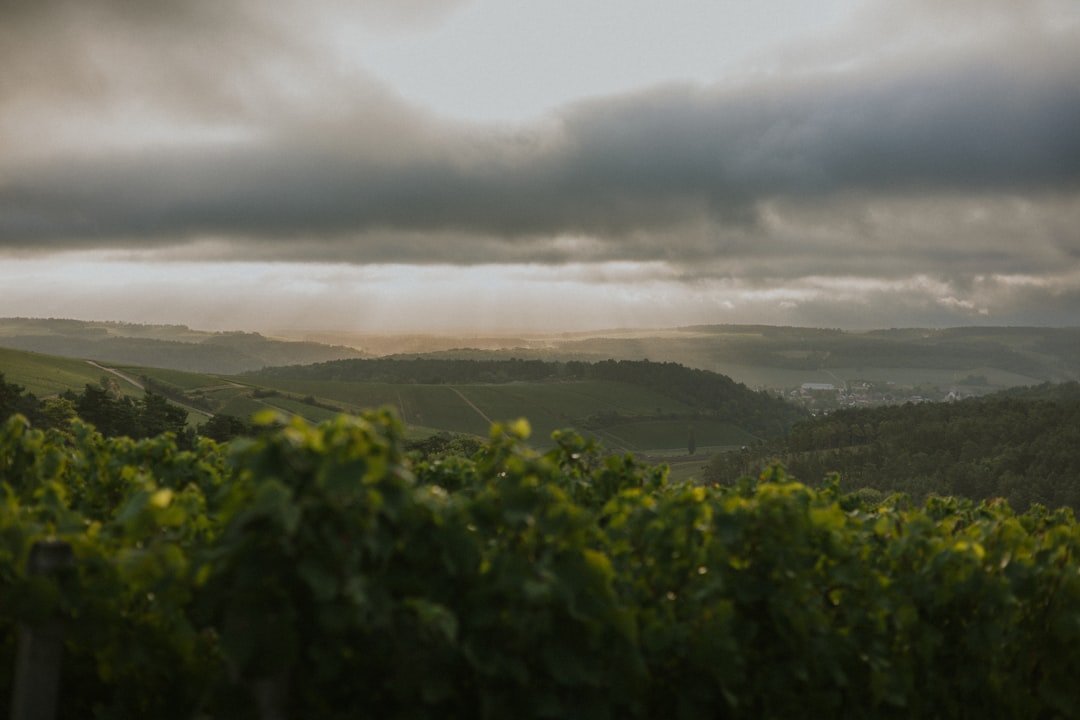
Champagne growers in France will begin this year’s harvest on August 15, the earliest start date in the region’s recorded history. The move comes as sustained heat waves force winemakers to pick grapes weeks ahead of schedule to preserve the beverage’s signature taste—and threatens the $6.6 billion industry’s future profitability.
Before 2000, Champagne harvests typically occurred in September or October. This year, most picking will wrap up by August 25, a full two weeks earlier than recent norms. The shift reflects a broader climate pattern: hotter springs and summers are accelerating grape maturation, producing fruit with higher sugar content that can undermine Champagne’s characteristic crisp, fresh flavor.
The Winemaker’s Dilemma Gets Harder
Champagne producers face an impossible choice. Harvest too early, and the grapes lack the acidity and “phenolic ripeness” needed for proper flavor and texture. Wait too long, and excess sugar ruins the delicate balance that defines premium Champagne.
“With great wine grapes, you want the maturation process to be slow. This is true with most fruit,” said Linda Johnson-Bell, founder of Wine & Climate. The compressed timeline eliminates margin for error.
The timing problem compounds existing challenges. Crop yields are down across the region, squeezing supply just as global consumer demand for luxury goods—including premium wines—has softened. For American buyers accustomed to consistent quality and availability, these production pressures could mean higher prices or reduced selection in coming years.
What Early Harvests Mean for Quality
The fundamental chemistry of Champagne depends on climate. Cooler temperatures historically allowed grapes to develop complexity while maintaining the acidity that gives Champagne its signature bite. As harvest dates creep earlier, winemakers lose that natural advantage.
The industry has adapted before—adjusting vineyard management, experimenting with different grape varieties, and modifying production techniques. But the pace of change is accelerating. A harvest in mid-August was unthinkable 25 years ago. If current trends continue, July pickings could become routine within a generation.
For now, Champagne houses are betting their expertise can preserve quality despite shortened growing seasons. Whether they succeed will determine if the world’s most famous sparkling wine retains its premium status—and premium pricing.
Key Points
- Champagne harvest begins August 15, earliest on record and two weeks ahead of recent norms
- Hotter weather creates excess sugar in grapes, threatening the beverage’s signature fresh flavor
- Lower yields and weaker luxury demand compound pressure on the $6.6 billion industry
https://www.cnbc.com/2026/08/15/heatwave-champagne-harvest-climate.html – August 15, 2026