
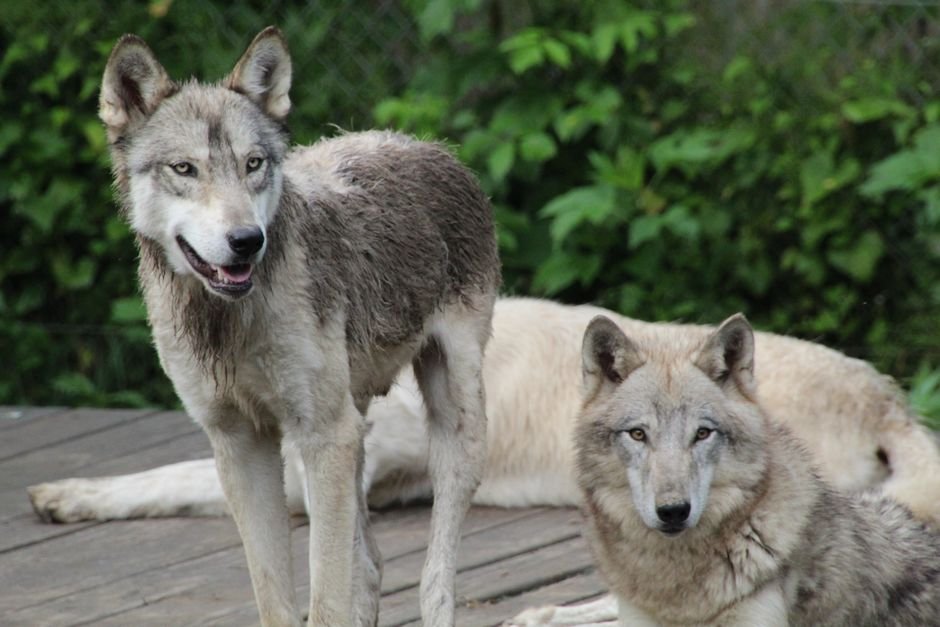
Colorado’s reintroduced wolves killed their first confirmed cattle this month—a rancher’s breeding cow worth $3,000 near Walden. Within days, Wyoming reported two more livestock deaths across the border. The kills have reignited the West’s most divisive conservation battle: whether restoring apex predators is worth the cost to rural livelihoods.
Since Colorado Parks and Wildlife released ten wolves in December 2023 under a voter-approved mandate, the pack has grown to an estimated 18 animals. Wildlife advocates call it ecological restoration. Ranchers call it government-sponsored theft.
The Conservation Case for Wolf Recovery
Biologists argue wolves restore natural balance to ecosystems degraded by a century without apex predators. In Yellowstone, wolf reintroduction reduced elk overgrazing, allowing aspen and willow recovery that benefited songbirds and beavers. Wolves kill coyotes, which can actually help pronghorn fawn survival.
Colorado voters passed wolf reintroduction 51-49 in 2020, viewing it as correcting historical eradication. The state’s compensation program promises to reimburse ranchers for confirmed kills at market value, plus indirect losses.
Why Ranchers Say Compensation Isn’t Enough
Grand County rancher Tom Mazzola, who lost the breeding cow, says the compensation math doesn’t add up. “They’ll pay me for one dead cow. They won’t pay for the stress-induced abortions in my herd, the weight loss from constant harassment, or the decade of genetics I lost in that animal.”
Montana and Wyoming data support his concern. State reports show for every confirmed wolf kill, ranchers lose 3-4 additional animals to stress, injury, and harder-to-prove predation. Compensation programs typically cover only verified kills—and proving a wolf killed your calf in remote country is nearly impossible without fresh evidence.
Idaho rancher Justin Wilson spent $45,000 on wolf-deterrent fencing and guard animals last year. Wolves still killed six calves. “The compensation check covered the calves,” he said. “It didn’t cover the infrastructure or the sleepless nights.”
The Stakes for Rural Communities
Nine states now have wolf populations, with growing pressure for reintroduction in Utah and Nevada. For ranchers operating on thin margins—many Western cattle operations net under 5% profit—even modest livestock losses can mean financial ruin.
Wildlife advocates counter that wolves kill less than 1% of livestock losses annually—far fewer than disease, weather, or birthing complications. But ranchers note those are acts of nature they accepted when they started ranching. Wolf reintroduction is a government decision that shifts ecological costs onto rural producers while urban voters celebrate conservation wins they’ll never have to pay for.
Key Points
- Colorado’s reintroduced wolves killed their first confirmed cattle near Walden, with more deaths reported in Wyoming
- Compensation programs typically cover only verified kills, not stress-induced losses or predator deterrent costs
- Ranchers argue urban voters approved conservation policy that shifts financial burden to rural producers
Aporia News – October 22, 2026