The mayor wrestled a tiny concession from FIFA’s iron grip. Congratulations, comrades. The revolution will not be televised — but it might be attended, if you win the lottery.
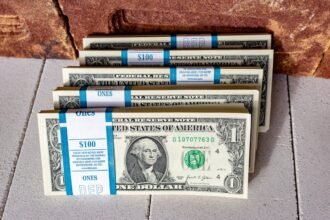
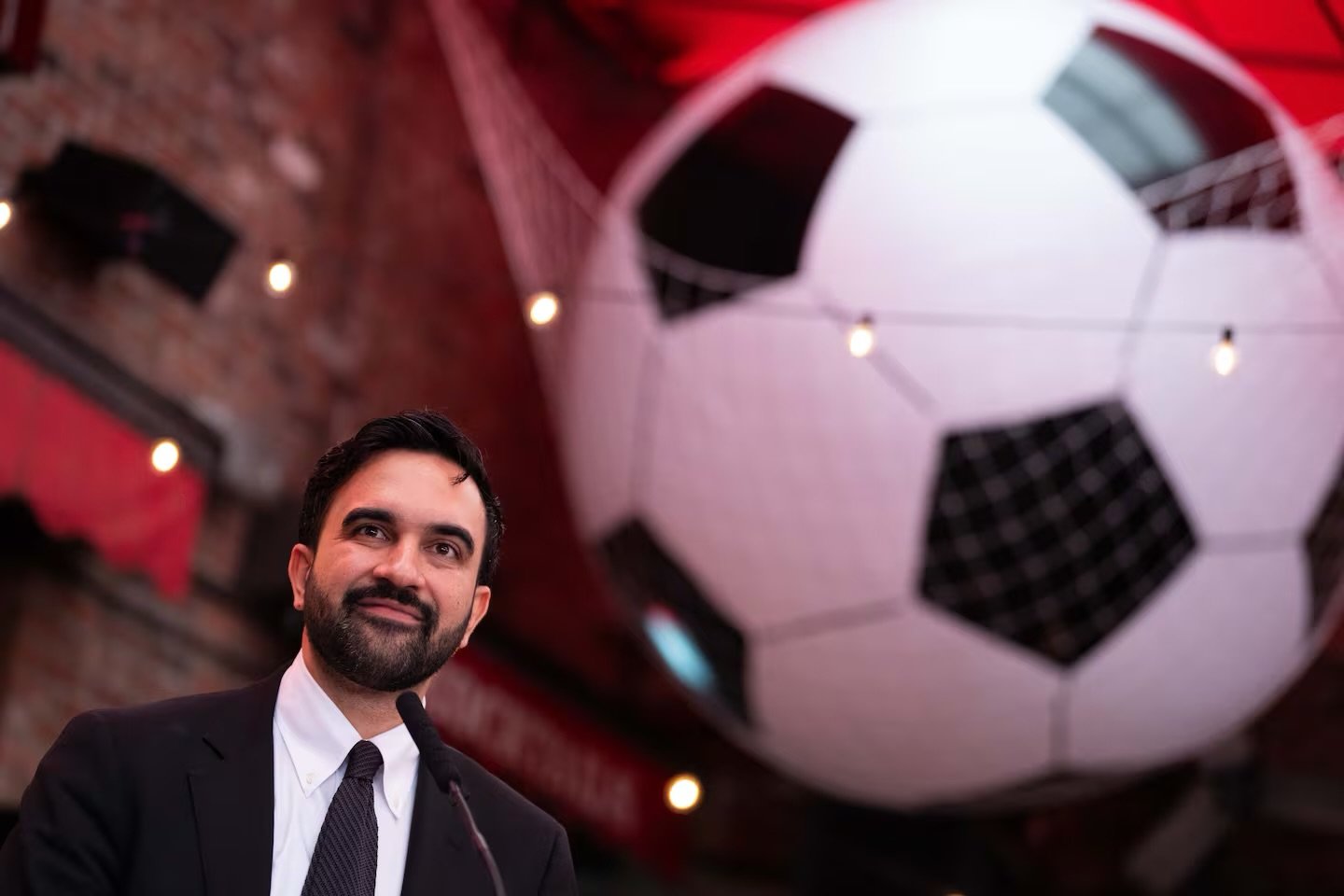
Let the record show that on a spring day in 2026, the Mayor of New York City strode into a meeting with the most powerful man in global soccer, looked FIFA President Gianni Infantino squarely in the eye, and extracted from him one thousand tickets at fifty dollars each.
The masses rejoiced. Somewhere, a vuvuzela sounded.
Zohran Mamdani, the democratic socialist who stormed City Hall on a platform of affordability and righteous fury at concentrated wealth, has delivered the workers their prize: a lottery — comrades, a lottery — for the chance to pay fifty dollars to watch a group-stage World Cup match in a stadium located in another state. Up to 50,000 New Yorkers may apply each day during the application window. One thousand will win. Do the math and try to feel the revolutionary energy.
This is, in the grand tradition of left-populist politics, a genuinely clever piece of theater performed at genuinely microscopic scale.
From Each FIFA According to His Ability
To be fair to Mamdani — and we should be fair, briefly — this was not nothing. Getting any concession from FIFA is roughly equivalent to convincing a Vegas casino to give you back two of your chips out of solidarity with the working poor. FIFA, an organization that has turned the beautiful game into a $11 billion revenue machine and whose primary relationship with host cities resembles that of a colonial administrator to a grateful province, does not negotiate. It dictates.
Mamdani negotiated. He got the meeting. He bonded with Infantino over soccer. He reportedly sat in City Hall while Infantino FaceTimed Arsène Wenger into the room — because nothing says “the people’s game” quite like a surprise video appearance from a FIFA employee over a ticketing dispute.
And at the end of this process, FIFA signed off on an arrangement it had “initial reservations” about, the host committee absorbed the cost, and one thousand New Yorkers will get to see a World Cup match for the price of a decent dinner. That is, genuinely, a win. Write it down.
Now. Let’s talk about the other 99 percent.
To Each New Yorker According to His Need (New Jersey Need Not Apply)
MetLife Stadium sits in East Rutherford, New Jersey. This is not a disputed geographic fact. The Meadowlands complex, the parking lots, the access roads, the actual soil beneath the stadium — all of it: New Jersey. The state whose residents will spend this summer enduring World Cup traffic disruptions, transit headaches, and the general indignity of hosting a tournament named after a city across the Hudson.
And Mamdani’s $50 ticket program? New York City residents only. Show your proof of residency. The Bronx, yes. Queens, absolutely. Brooklyn, of course. Hoboken? Get lost.
New Jersey residents are not eligible for the lottery. They did receive something, however: over $3.5 million from the host committee to offset commuter disruption costs. So to recap — New Yorkers get the populist lottery; New Jersey gets a participation check for the inconvenience of hosting the actual event. If you ever wondered what interstate condescension looks like in official policy form, here is your case study.
To be fair to New Jersey, its political leaders apparently never asked for a comparable program. Which is either a failure of imagination or proof that Jersey has simply accepted its eternal role in the tristate ecosystem: doing the work while Manhattan takes the credit.
The Arithmetic of Virtue
MetLife Stadium holds approximately 82,500 people. Seven matches will be played there as part of this program. One thousand total tickets — split “pretty evenly” across all seven games — works out to roughly 143 discounted seats per match in an 82,500-seat venue. That is a rounding error. That is the top four rows of one section. That is, statistically, invisible.
For context: Category 3 seats for the Brazil-Morocco group match were priced at $315. Ecuador vs. Germany: $355. The round of 16 game checks in at $415 for the cheap seats. The resale market, predictably, is worse. FIFA also runs its own official resale platform — taking 15 percent commissions from both buyer and seller, because nothing says “protecting fans” like double-dipping on the markup.
Mamdani campaigned on abolishing dynamic pricing for the tournament. FIFA kept dynamic pricing. He demanded a cap on resales. FIFA kept the resale market. He called for 15 percent of all tickets reserved for local residents at a discount. FIFA reserved approximately 0.002 percent. The final score, then, is FIFA: 97, Mamdani: 3 — and the 3 points came on a technicality after a lengthy VAR review.
The Theater Itself Is The Point
Here is where we must give the Commissar his due as a political operator, even while rolling our eyes at the scale.
Mamdani understood something important: in the attention economy of urban politics, the story of fighting for affordable tickets is often more valuable than the tickets themselves. By picking this fight publicly, then quietly negotiating while others screamed at FIFA on Twitter, then emerging with something — however small — he gets to claim both the populist credibility and the practical results. He avoided the trap that swallowed Sen. Chuck Schumer and Gov. Mikie Sherrill, who loudly demanded FIFA cover transit costs and received nothing but the satisfaction of having been loud.
One thousand tickets and free bus rides from Manhattan. It photographs well. It plays well in the Bronx. It creates the image of a mayor who made the billionaire soccer cartel flinch.
Was It Meaningful?
Here is an honest answer: a little bit, yes. And an enormous amount, no.
One thousand families will attend a World Cup match who otherwise could not have. That is real and it matters to those thousand families. The bus service — $20 round-trip rides funded by $6 million in state money — will benefit far more people than the lottery.
But the structural problems Mamdani identified in his campaign — the predatory pricing, the exclusion of working-class fans from events played in their own cities, FIFA’s extraction model — remain entirely intact. One thousand lottery tickets does not a revolution make. It makes a press release.
The World Cup comes to New York this summer. The tickets cost hundreds of dollars. The resale market is worse. The stadium is in Jersey. And in the grand theater of democratic socialist governance, the signature housing achievement is a raffle.
From FIFA to the proletariat: a symbolic transfer. The people’s game, briefly, for the people — one lottery winner at a time.
The application window opens May 25 at regnyctix.com. May the odds be ever in your favor, comrades.