
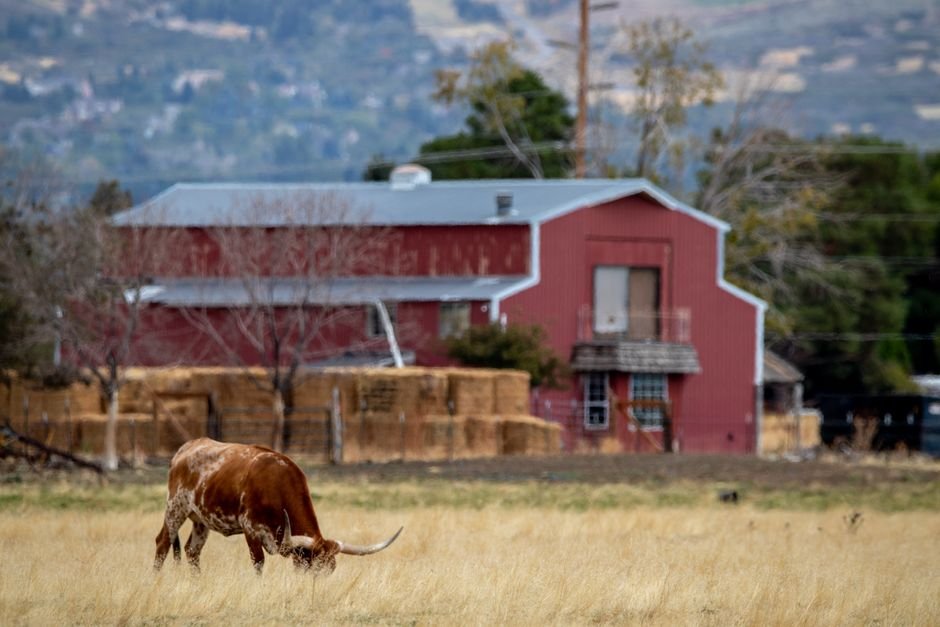
American cattle ranchers face a dangerous pest outbreak that could send beef prices climbing just as families prepare for summer grilling season. Screwworm, a flesh-eating parasite eradicated from the United States decades ago, has reappeared in Texas cattle herds, threatening both animal welfare and the nation’s beef supply.
The New World screwworm fly lays eggs in open wounds on livestock. The hatched larvae burrow into living tissue, causing severe damage and often death if untreated. The parasite was eliminated from the U.S. in 1966 through an aggressive eradication program, making its return particularly alarming for agricultural officials and ranchers.
Texas accounts for roughly 15 percent of U.S. beef production. Any widespread infestation could force ranchers to cull infected herds, reducing the national cattle inventory at a time when beef supplies remain tight following years of drought-driven herd reductions. Smaller supply means higher prices at grocery stores and restaurants.
The outbreak comes as American families already grapple with elevated food costs. Ground beef prices averaged $5.36 per pound in May 2026, up from $4.89 a year earlier. Ribeye and other premium cuts have climbed even more sharply. A significant screwworm spread could push prices higher still during peak grilling months.
Federal and state agriculture officials have mobilized containment efforts, including quarantine zones and enhanced inspection protocols at livestock facilities. The strategy mirrors the original eradication program, which relied on releasing sterile male flies to disrupt the breeding cycle. Success depends on early detection and rapid response before the infestation spreads beyond manageable boundaries.
Ranchers face difficult decisions. Treating infected animals requires intensive veterinary care and isolation from healthy livestock. Some may choose early sale or slaughter rather than risk wider herd contamination. Either choice reduces available beef supply and pressures prices upward.
The economic impact extends beyond grocery bills. Restaurants operate on thin margins, and rising beef costs force menu price increases that discourage customers. Feedlots, processing plants, and transport companies all face disruption if the outbreak forces quarantines or trade restrictions.
Agriculture officials emphasize the infestation remains limited so far, but the parasite’s history shows how quickly it can spread without aggressive intervention. Ranchers are urged to inspect cattle daily for wounds and report suspicious cases immediately. The next several weeks will determine whether containment succeeds or whether American beef consumers face a difficult and expensive summer.
Key Points
- Screwworm, eradicated from U.S. cattle in 1966, has reappeared in Texas herds, threatening both animal welfare and beef supplies
- Texas produces 15% of American beef; any widespread infestation could force herd reductions and push prices higher during summer grilling months
- Federal officials launched containment efforts, but ranchers face tough choices between expensive treatment or early slaughter that reduces available supply
https://www.cnbc.com/2026/06/10/texas-screwworm-cattle-beef-prices-inflation.html – June 10, 2026