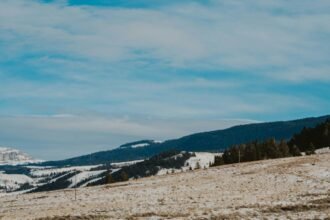
The Bureau of Land Management has announced sweeping changes to grazing permits across 12 million acres of public rangeland in Nevada, Idaho, and eastern Oregon, reducing authorized livestock numbers by an average of 30% to protect sagebrush habitat. The decision affects over 400 ranching families whose operations have depended on these federal grazing allotments for generations.
BLM officials say the reductions are necessary to restore degraded rangeland and protect greater sage-grouse populations, which have declined by nearly 80% since the 1960s. Environmental groups have praised the move as long overdue, pointing to scientific studies showing overgrazing has damaged native vegetation and reduced habitat quality for ground-nesting birds and other wildlife.
Ranchers Say Federal Government Broke Its Promise
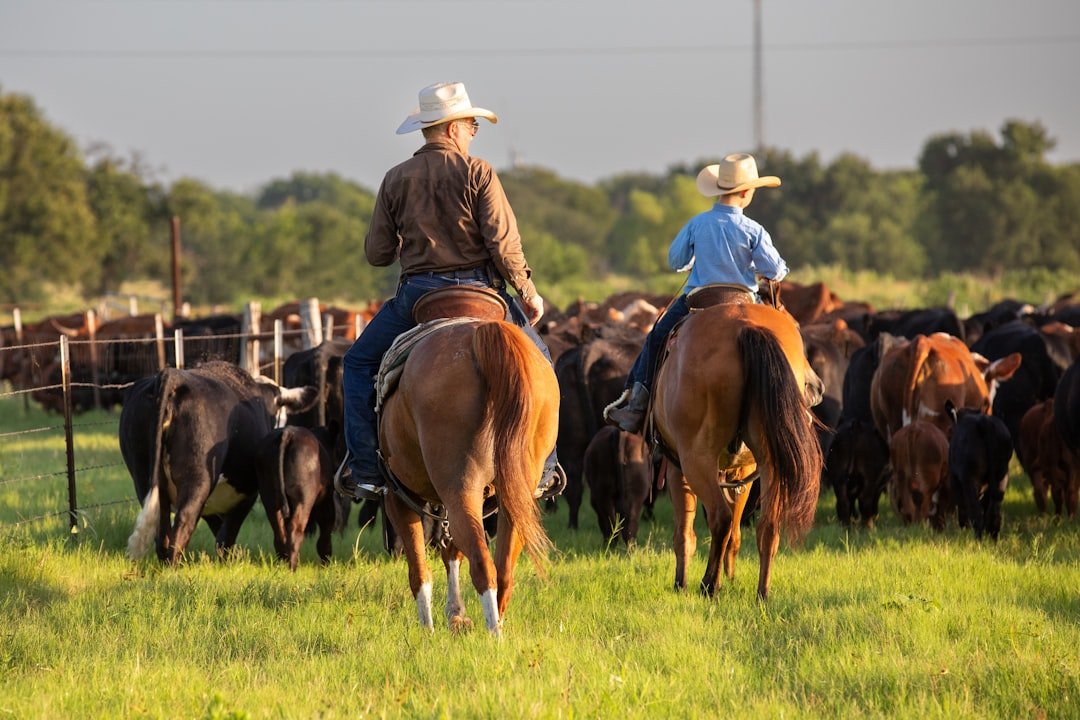
But ranching families see it differently. Many purchased their private properties specifically because they came with attached federal grazing permits—permits their grandfathers bought and managed responsibly for decades. “We’ve invested hundreds of thousands of dollars in water developments, fencing, and rangeland improvements based on these permits,” said Tom Henderson, a fourth-generation Nevada rancher. “Now they’re cutting our numbers in half and telling us to figure it out.”
The economic impact is severe. A 30% reduction in grazing capacity means selling off breeding stock, taking on debt, or going out of business entirely. Banks consider grazing permits when financing ranch operations, and reduced permits mean reduced property values—sometimes by hundreds of thousands of dollars.
The Conservation Case Versus Property Rights
Conservationists argue that public land belongs to all Americans, not just ranchers, and that wildlife habitat must take priority over private profit. They point to declining sage-grouse numbers as proof that current grazing levels are unsustainable. Federal scientists back this up with range condition assessments showing significant loss of native bunchgrasses and increased invasive species.
Ranchers counter that they’re the real conservationists, maintaining open space that would otherwise be subdivided into ranchettes. They argue that grazing, when properly managed, actually benefits wildlife by reducing fire fuel loads and maintaining habitat diversity. Many also point to cooperative efforts they’ve already made—improving riparian areas, adjusting seasonal use, and participating in voluntary conservation programs.
What Happens When Federal Policy Meets Rural Reality
What’s at stake extends beyond one grazing decision. These conflicts reveal a fundamental tension: Should federal agencies prioritize wildlife recovery even when it devastates rural economies? Can conservation goals coexist with working landscapes, or must one yield completely to the other? For ranching communities watching neighbors sell out after a century on the land, the answer will determine whether Western rangeland remains a place where families make a living—or becomes something managed entirely from Washington.
Key Points
- Bureau of Land Management cutting grazing permits by 30% across 12 million acres in three states to protect sage-grouse habitat
- Over 400 ranching families face severe economic losses from reductions to federal grazing allotments their families have held for generations
- Conservationists say rangeland restoration is essential for declining wildlife; ranchers argue they’re the real stewards maintaining open space
Aporia News – July 12, 2026