Ordinary Iranians are warning that any nuclear deal between the Trump administration and Tehran’s ruling clerics could hand the regime a lifeline just when internal pressure threatens its survival, according to dissidents and opposition voices speaking to Western media.
The concern centers on whether negotiations aimed at preventing Iran from developing nuclear weapons might inadvertently strengthen the Islamic Republic’s grip on power by easing economic pressure without demanding meaningful political reform. For Iranian citizens who have faced brutal crackdowns during repeated protests over the past decade, the stakes extend far beyond nuclear centrifuges.
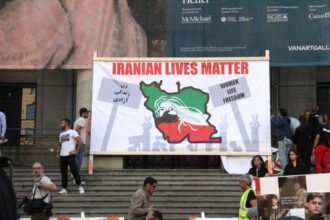
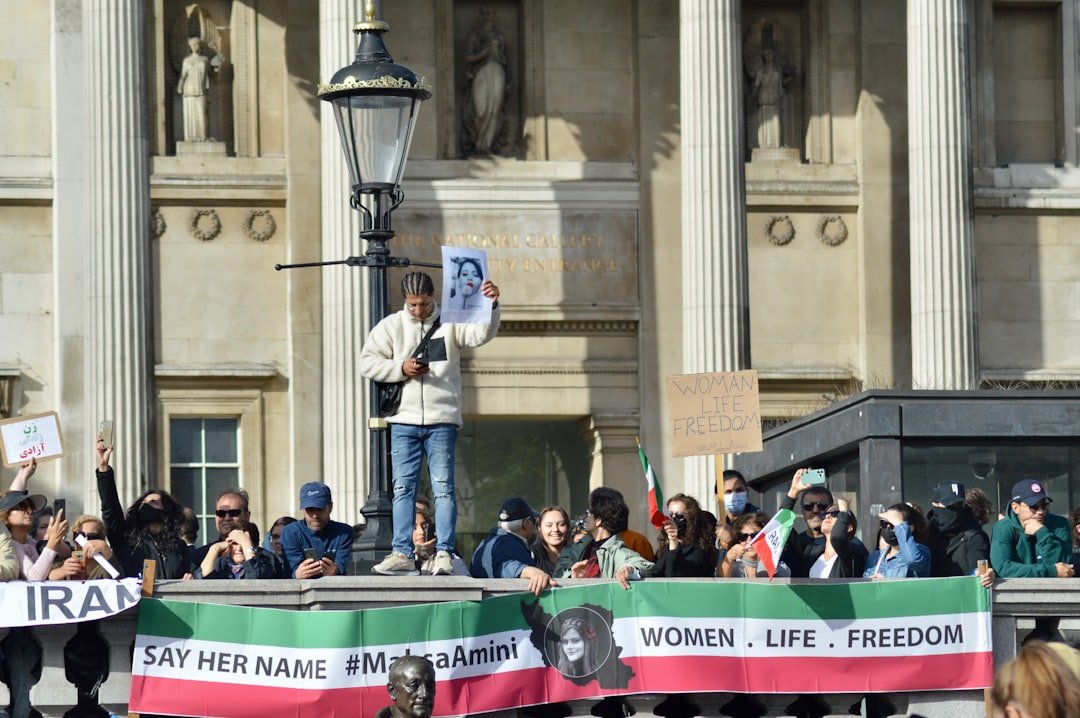
Iranian dissidents argue the regime remains vulnerable to internal collapse if external pressure continues. Mass demonstrations over women’s rights, economic hardship, and political repression have repeatedly shaken the government since 2022. Opposition figures say sanctions relief without fundamental change would allow the clerical establishment to consolidate control and crush domestic opposition more effectively.
The Trump administration has signaled openness to direct talks with Tehran after years of “maximum pressure” sanctions aimed at curbing Iran’s nuclear ambitions and regional aggression. While preventing an Iranian nuclear weapon remains a paramount American security interest, critics of potential negotiations worry about repeating what they see as mistakes from previous diplomatic efforts that failed to address Iran’s support for terrorism, ballistic missile programs, or human rights abuses.
For American families, the implications extend beyond Middle East stability. Iran continues to back proxy forces that have attacked U.S. troops in Iraq and Syria. The regime maintains close ties with Russia and has supplied drones used against Ukrainian civilians. Any deal that strengthens Tehran without addressing these threats could mean continued danger for deployed American servicemembers and reduced leverage against adversaries from Moscow to Beijing.
Iranian expatriates in the United States have mobilized to ensure their voices reach policymakers. Many fled the Islamic Republic and built lives in America, only to watch family members back home face arrest, torture, or execution for demanding basic freedoms. They argue any agreement should condition sanctions relief on verifiable changes to Iran’s domestic repression and regional aggression, not just nuclear concessions.
The administration faces a delicate calculation: achieve a verifiable block on Iranian nuclear weapons capability without inadvertently rescuing a regime that ordinary Iranians believe stands on shaky ground. What happens in coming months will determine whether American diplomacy serves both non-proliferation goals and the aspirations of people risking everything for freedom.
Key Points
- Iranian dissidents say the Islamic Republic remains vulnerable to internal collapse if economic pressure continues
- Critics worry negotiations focused solely on nuclear issues could strengthen the regime without addressing terrorism support or human rights abuses
- Iranian expatriates are mobilizing to ensure any deal conditions sanctions relief on verifiable changes beyond nuclear concessions
https://www.foxnews.com/world/iranians-speak-possible-trump-regime-deal – June 02, 2026