
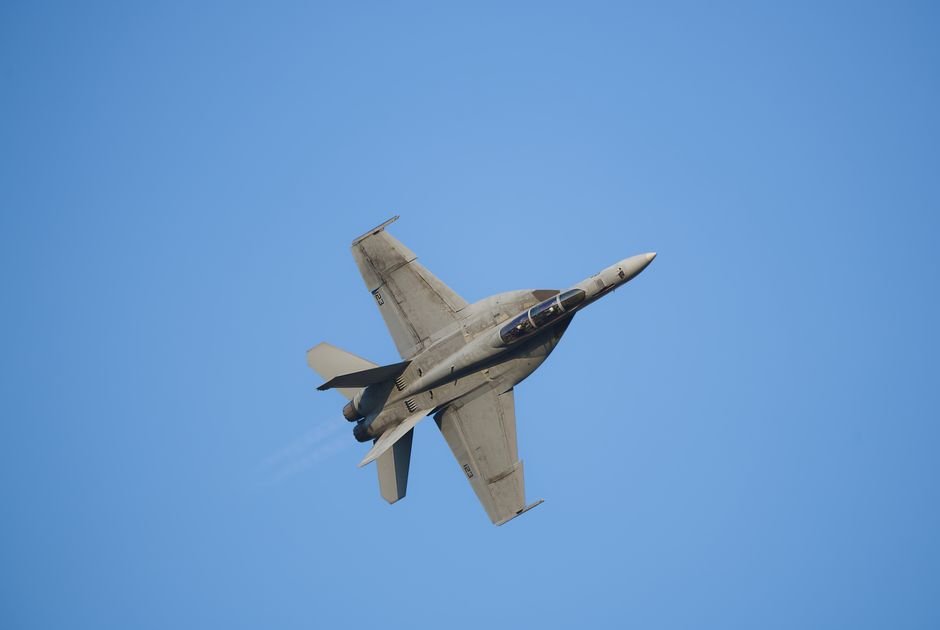
Oil prices jumped Thursday morning after the United States launched what military officials called a “heavy wave” of strikes against Iranian military targets late Wednesday, ending a brief pause in hostilities that had given diplomatic efforts room to breathe.
Brent crude futures, the international oil benchmark, climbed 1.5% to $92.10 per barrel. U.S. West Texas Intermediate futures rose 0.9% to $85.23. The spike threatens to push gasoline prices higher just as Americans face record summer travel costs and persistent inflation in grocery aisles and utility bills.
Trump Signals No Backing Down
President Trump telegraphed the military action hours before it began, telling Fox News early Wednesday that Iran would “get a beating” for its missile attacks on U.S. forces. “We’ll be hitting them hard,” Trump said, making clear the two-week pause in strikes had ended.
U.S. Central Command described the two-hour operation as a “powerful response” to Tuesday’s attempted Iranian attacks on American personnel in the Middle East. The strikes targeted dozens of Islamic Revolutionary Guard Corps facilities.
Iran Promises Retaliation
Iran’s Islamic Revolutionary Guard Corps responded Thursday with threats of further escalation, dashing hopes that diplomats might broker a way out of the conflict that began in late February. The back-and-forth has disrupted shipping through the Strait of Hormuz, a chokepoint for global oil supplies, and kept energy markets on edge for months.
The U.S. had halted strikes against Iranian targets last weekend to give peace talks “space,” according to diplomatic sources. That brief cooling-off period now appears finished, with military planners bracing for Iran’s next move.
What It Means for Your Wallet
Every sustained $10 increase in oil prices typically adds roughly 25 cents to the national average price of gasoline within weeks. With crude now hovering in the low $90s for Brent, Americans could see pump prices climb from current levels if the conflict continues to escalate. Diesel prices, which directly affect trucking costs and food prices, would follow the same trajectory.
Analysts are watching whether Iran moves to threaten tanker traffic through the Strait of Hormuz, which carries about 20% of the world’s oil supply. Any disruption there could send crude prices sharply higher and ripple through every corner of the economy.
Key Points
- Brent crude rose 1.5% to $92.10 after U.S. launched strikes on Iranian military targets Wednesday night
- Iran’s Revolutionary Guard threatens retaliation, ending hopes for diplomatic de-escalation after two-week pause
- Sustained oil price increases could push gas and diesel costs higher, affecting household budgets and grocery prices
https://www.cnbc.com/2026/07/30/oil-prices-us-iran-war.html – July 30, 2026