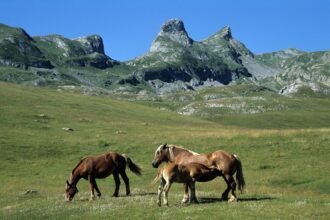
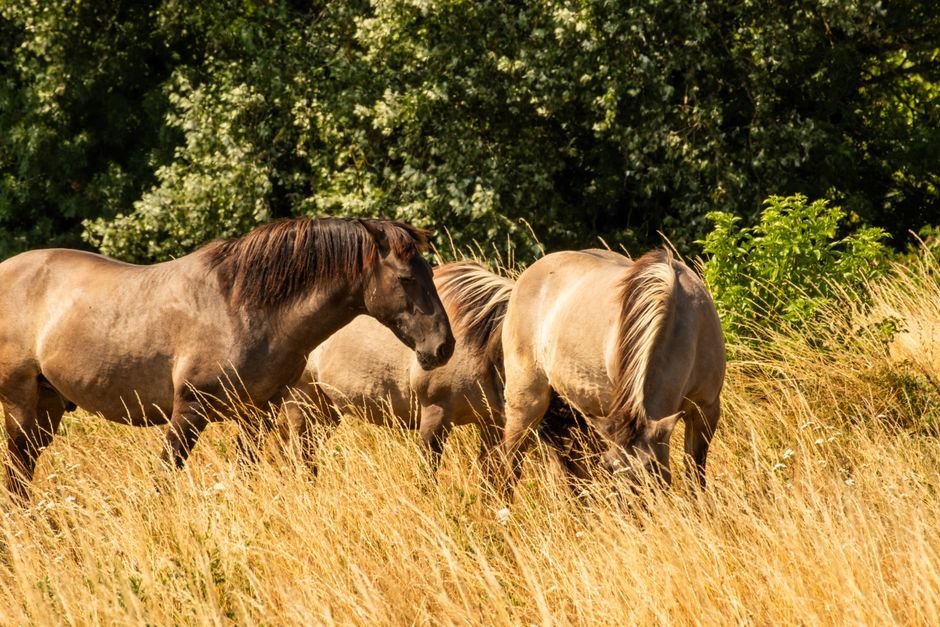
The Bureau of Land Management estimates 82,000 wild horses and burros now roam federal lands across ten western states — nearly three times the 27,000 the agency says those rangelands can sustainably support. As populations surge, the animals are at the center of an escalating fight that pits animal protection groups against ranchers, wildlife advocates, and even some conservationists who warn the iconic mustangs are degrading the very landscapes they’ve come to symbolize.
The controversy reached new intensity this month when Nevada ranchers filed suit challenging BLM’s failure to meet population targets, claiming the overpopulation is destroying grazing allotments their families have held for generations. Meanwhile, wild horse advocacy groups are pushing Congress to ban further roundups, arguing the animals are protected by the 1971 Wild Free-Roaming Horses and Burros Act and deserve their place on public lands.
The Rancher and Wildlife Argument
Ranchers say exploding horse populations are consuming forage their cattle permits allow, forcing them to reduce herd sizes while paying the same grazing fees. In drought-stressed regions, they argue wild horses strip vegetation faster than it can recover, leading to erosion and habitat loss that harms native wildlife including sage grouse, pronghorn, and bighorn sheep.
Elk and mule deer hunters have joined the criticism, noting that horse overpopulation degrades winter range these game species depend on. Some wildlife biologists warn that in fragile desert ecosystems, too many horses concentrated around limited water sources can functionally exclude other species and damage riparian areas critical for countless native animals.
The Wild Horse Protection Position
Advocacy groups counter that wild horses are being scapegoated for damage actually caused by livestock grazing and energy development. They note that cattle outnumber wild horses roughly 35-to-1 on BLM lands, yet horses receive disproportionate blame. These groups argue the 1971 Act guarantees horses “principal use” of designated herd management areas, and that BLM’s population targets are artificially low to favor ranching interests.
They also challenge roundup methods, calling helicopter gathers inhumane and noting that BLM already holds over 60,000 horses in off-range corrals and pastures at enormous taxpayer expense — questioning whether removal is even a viable long-term solution.
What’s at Stake for Rural Communities
For ranch families operating on tight margins, the horse controversy threatens livelihoods that stretch back generations. Reduced grazing capacity means smaller cattle operations and lost income. For hunters and wildlife watchers, the question is whether western rangelands can support robust populations of native wildlife alongside tens of thousands of feral horses — animals that, despite their romantic appeal, evolved on different continents and compete directly with species that did evolve here.
Key Points
- Wild horse populations now exceed BLM’s sustainable target by 55,000 animals across western states
- Ranchers claim overpopulation destroys grazing allotments while wildlife advocates warn of habitat degradation
- Protection groups argue horses are scapegoated while cattle actually cause most rangeland damage
Aporia News – September 16, 2026