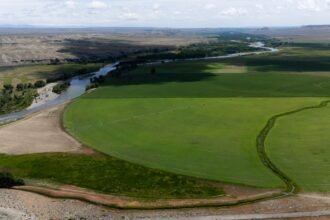
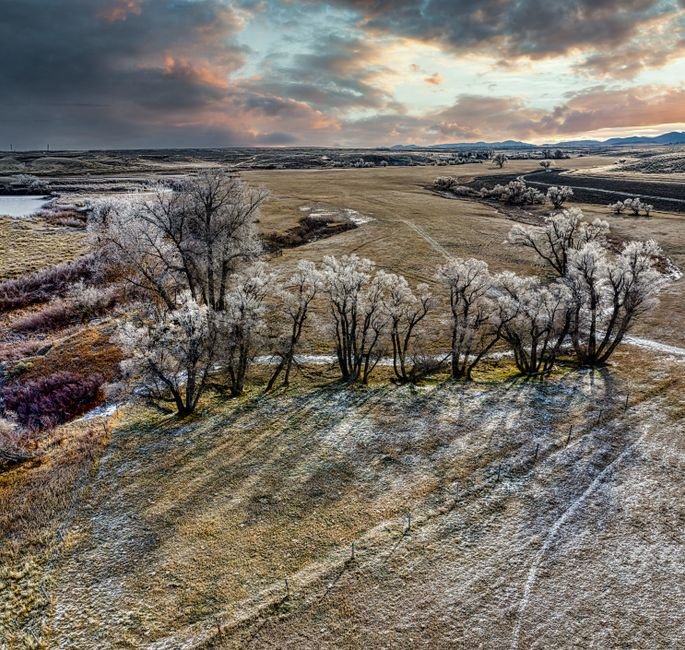
The Bureau of Land Management announced sweeping new habitat protections for the greater sage grouse across 67 million acres of federal land in Wyoming, Montana, and Nevada this week—restrictions that energy companies say will choke off natural gas development worth billions and cost thousands of rural jobs.
The updated management plans create no-surface-occupancy zones around active breeding grounds called leks, prohibit new development within 3.1 miles of priority habitat, and impose seasonal drilling restrictions during nesting season. Federal officials say the measures are necessary to prevent the bird’s listing under the Endangered Species Act, which would trigger even harsher constraints.
Why Sage Grouse Matter to Conservation
The greater sage grouse serves as an umbrella species for sagebrush ecosystems spanning 11 western states. Protect sage grouse habitat, wildlife biologists argue, and you protect hundreds of other species from pronghorn antelope to pygmy rabbits that depend on intact sagebrush landscapes.
Populations have declined nearly 80% since the 1960s due to habitat fragmentation from energy development, agriculture, and invasive grasses. Scientists warn the species is approaching functional extinction in parts of its historic range, and that federal intervention now could prevent a catastrophic ESA listing that would freeze development entirely.
The Cost to Energy Counties
Wyoming’s Petroleum Association counters that existing sage grouse populations are stable in areas with active drilling, and that the new restrictions will block access to an estimated 4.3 trillion cubic feet of recoverable natural gas in Sublette County alone.
County commissioners in these energy-dependent regions say the restrictions ignore two decades of successful co-existence between drilling operations and wildlife. They point to voluntary industry programs that have maintained lek populations while generating tax revenue that funds rural schools, roads, and emergency services.
Ranchers add another concern: if sage grouse are effectively protected through these federal restrictions, what happens to grazing leases when the next species—sage thrashers, pygmy rabbits—needs the same level of protection?
What Happens Next
Industry groups have 60 days to challenge the new management plans in federal court. Meanwhile, Wyoming’s governor is threatening to withdraw state cooperation from the federal-state sage grouse partnership, arguing that voluntary conservation has worked better than top-down mandates.
For rural communities, what’s at stake is whether conservation happens through collaboration with people who live on the land—or through federal restrictions imposed on them.
Key Points
- BLM habitat protections create no-drilling zones within 3.1 miles of priority sage grouse areas across Wyoming, Montana, and Nevada
- Wildlife advocates say restrictions prevent catastrophic ESA listing; energy industry says stable populations don’t justify blocking access to trillions of cubic feet of natural gas
- Rural officials warn federal conservation mandates ignore two decades of voluntary collaboration that protected both wildlife and energy jobs
Aporia News – August 22, 2026