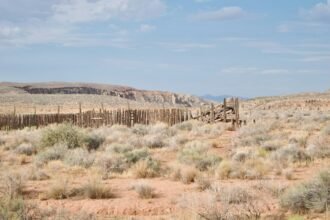
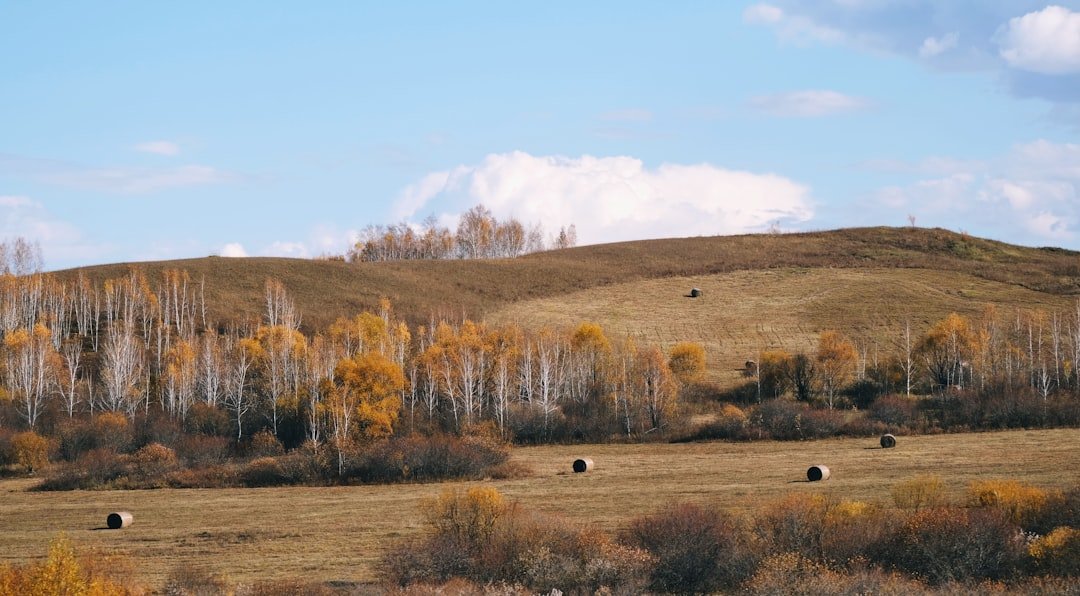
The Bureau of Land Management announced sweeping changes to grazing allotments across 12 million acres of Western rangeland this week, prioritizing sage grouse habitat over livestock permits that some families have held for four generations. The decision affects roughly 800 ranching operations across Nevada, Idaho, Montana, and Wyoming—and has ignited a familiar battle over who decides the future of America’s public lands.
Under the new management plan, grazing will be reduced by 30-40% in designated sage grouse priority habitat areas. The BLM says the cuts are necessary to restore native grasslands and protect declining bird populations. Environmental groups are calling it a long-overdue correction after decades of overgrazing damaged Western ecosystems.
Why Conservation Groups Support the Changes
Sage grouse populations have dropped 80% since the 1960s, largely due to habitat loss and degradation. The birds require large expanses of undisturbed sagebrush steppe to survive, and conservationists argue that cattle grazing—particularly during nesting season—tramples vegetation, destroys ground nests, and fragments critical habitat.
The Western Watersheds Project, which sued to force stricter grazing limits, points to scientific studies showing livestock damage to riparian areas and native plant communities. They argue these public lands belong to all Americans, not just ranchers who pay below-market rates for grazing permits.
The Ranching Community Pushes Back Hard
Ranchers see it differently. Many hold permits their great-grandfathers secured, built their operations around those grazing rights, and invested hundreds of thousands in water systems and fencing on federal land. They argue that responsible grazing actually benefits wildlife by managing vegetation and creating diverse habitat structure.
The Nevada Farm Bureau calls the cuts “economically devastating” and says BLM ignored local knowledge in favor of environmental litigation. Several counties have already passed resolutions declaring federal overreach. One fourth-generation rancher in Elko County told local reporters: “They’re forcing us off land our family has stewarded since 1912. We’ve lived with sage grouse our whole lives—now bureaucrats in Washington think they know better.”
What Happens When Ranches Go Under
Both sides agree on one thing: when ranches fail, the land often gets subdivided for development or sold to wealthy out-of-state buyers. The question is whether reduced grazing will save an iconic Western bird—or just replace working ranches with ranchettes while doing little for actual conservation.
Key Points
- Bureau of Land Management reducing grazing permits 30-40% on 12 million acres to protect declining sage grouse populations
- Conservationists say cattle damage bird habitat; ranchers say responsible grazing benefits wildlife and BLM ignores local expertise
- The deeper question: whether federal habitat rules will save species or just replace family ranches with subdivision and absentee ownership
Aporia News – August 18, 2026