The Bureau of Land Management’s updated sage grouse habitat protections, finalized this spring, have reignited a decade-old battle between conservationists and Western energy producers over who controls millions of acres of public land.
The greater sage grouse, a chicken-sized bird found across 11 Western states, has been at the center of land-use conflicts since 2015, when federal protections were first established to prevent an Endangered Species Act listing. The new guidelines expand “priority habitat” designations and impose stricter limits on oil and gas development, mining operations, and energy infrastructure within three miles of active breeding grounds called leks.
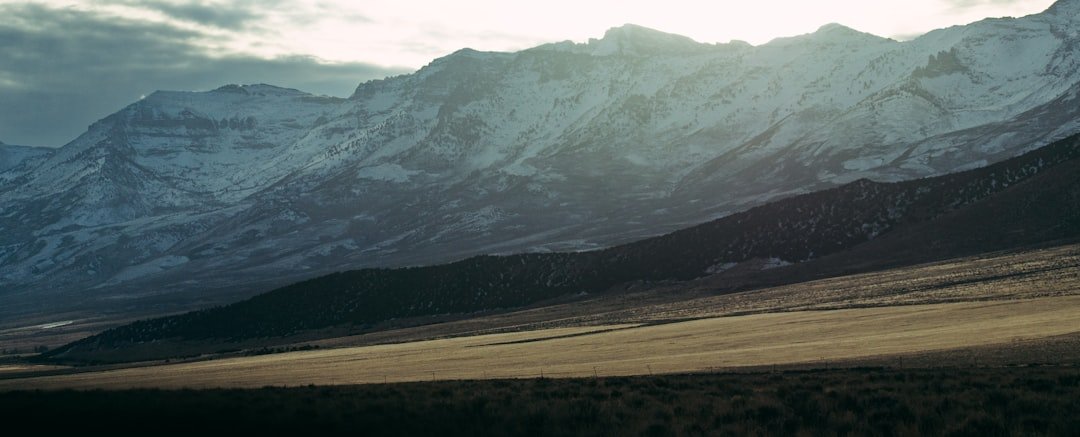
Conservation groups argue the updated protections are essential. Sage grouse populations have declined by over 65% since 1986, with current numbers estimated between 200,000 and 500,000 birds. “These landscapes support not just sage grouse but mule deer, pronghorn antelope, and hundreds of other species,” says Western Watersheds Project director Erik Molvar. “If we lose sagebrush habitat to energy development, we lose the entire ecosystem that hunters and ranchers depend on.”
The protections restrict new energy leases in priority habitat areas and require existing operations to maintain buffer zones during breeding season. Wildlife officials point to data showing that sage grouse avoid nesting within two miles of active well pads and that noise from compressor stations disrupts their elaborate mating displays.
But energy industry representatives and rural county commissioners call the expanded restrictions a federal overreach that will cost jobs and stifle economic development across the rural West. “We’re talking about 70 million acres of public land where energy development will essentially be locked down,” says Petroleum Association of Wyoming president Pete Obermueller. “Counties that depend on mineral royalties for schools, roads, and emergency services are going to suffer.”
Wyoming, which produces 40% of the nation’s coal and holds substantial oil and gas reserves, stands to lose billions in potential energy revenue. Local officials argue the restrictions ignore decades of coexistence between energy development and wildlife, pointing to ranch and energy operations that have maintained sage grouse populations through voluntary conservation measures.
Hunters find themselves caught in the middle. Sage grouse seasons exist in several states, but populations must remain stable to avoid ESA listing. Some sportsmen’s groups support habitat protections as necessary for long-term hunting opportunity. Others view federal habitat designations as a backdoor method to restrict land access and grazing rights that hunting access depends on.
What’s at stake extends beyond one bird species. Rural Westerners see this as another round in an ongoing fight over whether distant federal agencies or local communities will determine how public lands are used — and whether traditional livelihoods built on resource extraction can survive modern conservation mandates.
Key Points
- Updated BLM sage grouse protections restrict oil, gas, and mining development across 70 million acres of Western public land
- Conservationists say the bird’s 65% population decline threatens an entire sagebrush ecosystem that supports hunting and ranching
- Energy producers and rural counties argue federal restrictions will cost billions in revenue and jobs while ignoring successful voluntary conservation efforts
Aporia News – June 09, 2026