The Bureau of Land Management’s revised sage grouse habitat protections, finalized last month, restrict new oil and gas leasing across 6.5 million acres of federal land in Wyoming, Montana, and Nevada—prime territory for both the struggling bird and America’s domestic energy production.
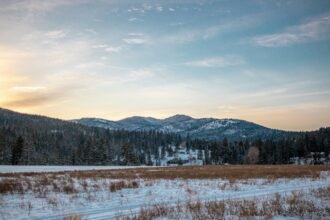
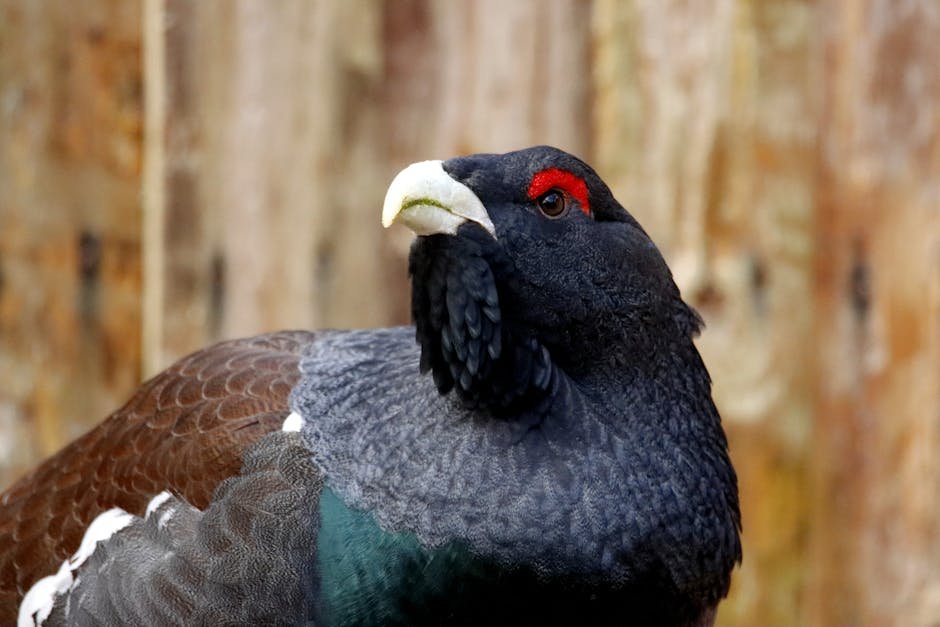
The greater sage grouse, a chicken-sized bird known for its elaborate mating displays, has declined from an estimated 16 million birds a century ago to fewer than 500,000 today. The species depends on intact sagebrush ecosystems that once covered 165 million acres across the West but now exist in fragmented patches, threatened by development, wildfire, and invasive cheatgrass.
Conservation groups argue the new protections are essential to prevent another Endangered Species Act listing that would impose even harsher restrictions. “We’re trying to save the sage grouse and save industries from ESA regulation,” says Monica Hatcher of the Western Conservation Alliance. “These voluntary habitat protections are the compromise that keeps everyone working.”
The restrictions prioritize “core habitat” areas by limiting surface disturbance from drilling rigs, requiring seasonal drilling moratoriums during nesting periods, and mandating wildlife impact studies before new leases. Similar protections in 2015 successfully kept the sage grouse off the endangered species list.
But energy companies and Western state officials see federal overreach that threatens rural economies. Wyoming produces 40% of America’s coal and ranks eighth in oil production—industries that provide thousands of high-paying jobs in counties where sage grouse habitat overlaps with mineral deposits.
“We’re talking about locking up energy resources that could employ my neighbors for decades,” says Tom Bridger, a Sublette County commissioner and third-generation rancher. “The feds drew these habitat boundaries so broadly that productive wells get caught in restrictions meant for sensitive nesting areas miles away.”
Wyoming Governor Mark Hutchins has threatened legal action, arguing states should control wildlife management on federal lands within their borders. “Washington bureaucrats are making decisions that devastate our tax base while sitting in offices 2,000 miles from the reality on the ground,” Hutchins said in a statement.
Ranchers face their own concerns. While most support sage grouse conservation—healthy rangeland benefits cattle and wildlife alike—they worry federal designation of critical habitat could restrict grazing allotments or bring additional land use controls.
The controversy illustrates Western conservation’s perpetual tension: protecting declining species while preserving the resource extraction and agriculture that sustains rural communities. For sage grouse, the question isn’t whether habitat protection matters—it’s who decides how much protection is enough, and who pays the economic price.
Key Points
- New BLM restrictions limit oil and gas development across 6.5 million acres of sage grouse habitat in Wyoming, Montana, and Nevada
- Conservationists say protections prevent ESA listing that would impose harsher restrictions; energy industry and Western governors call it federal overreach threatening jobs
- Core tension remains unresolved: whether Washington or Western states should control wildlife management decisions affecting rural economies
Aporia News – June 08, 2026