A deadly livestock parasite that hasn’t been seen in the United States since the 1960s has returned to Texas, and wildlife officials are sounding the alarm just as deer are dropping fawns across the state. The New World screwworm—a flesh-eating fly larva that can kill any warm-blooded animal—was confirmed in South Texas this spring, raising concerns about both ranching operations and the state’s multi-billion dollar deer hunting industry.
The screwworm was eradicated from the U.S. through one of conservation’s greatest success stories: a massive federal-state partnership that released billions of sterile flies to break the breeding cycle. But now it’s back, likely spreading north from infestations in Central America, and it’s hitting during the worst possible time for wildlife.
Why Fawning Season Makes This Critical
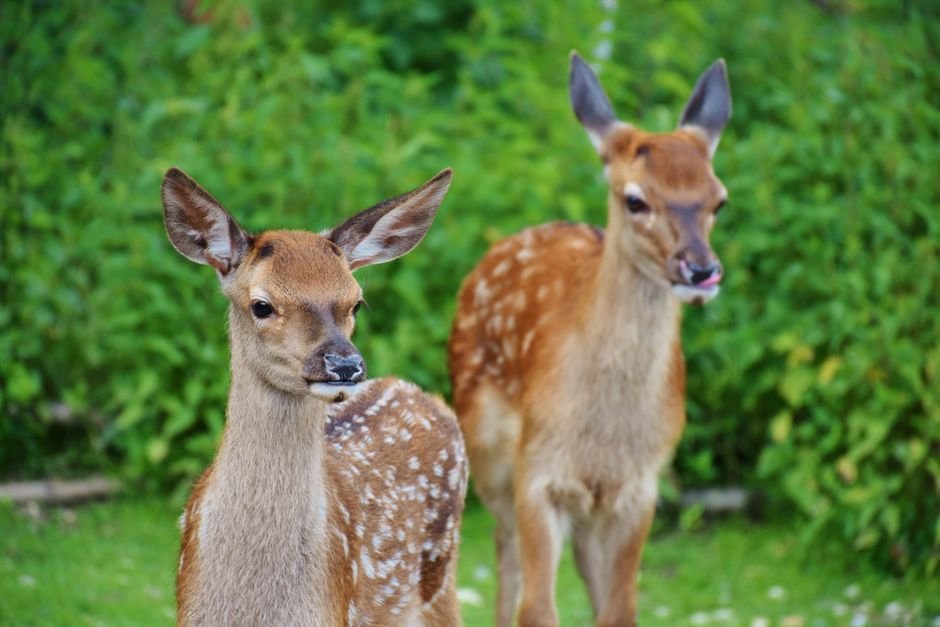
Newborn fawns are especially vulnerable. The screwworm fly lays eggs in any open wound—including fresh navels on newborns. Within hours, the hatched larvae begin eating living tissue, creating wounds that attract more flies. Left untreated, infestations are fatal within days. Adult deer can also be infected through injuries from fighting, barbed wire, or predator encounters.
South Texas holds some of the state’s densest whitetail populations and its most valuable deer genetics. A widespread screwworm outbreak during fawning season could devastate those herds in a matter of weeks. Wildlife officials are urging hunters and ranchers to report any animals showing signs of infestation—open wounds with visible maggots and a characteristic foul smell.
The Federal Response Ranchers Are Watching
Here’s where it gets complicated. The screwworm eradication program requires setting up barrier zones where millions of sterile flies are released weekly. It works—but it also means federal agriculture and wildlife officials coordinatng closely with private landowners across vast areas of Texas rangeland. Many ranchers who’ve fought federal overreach on endangered species and grazing rights are now being asked to grant access for monitoring and treatment.
The Texas Animal Health Commission is taking the lead, but if the outbreak spreads, expect USDA and Fish and Wildlife Service involvement to expand. That’s a tough pill for landowners who view their property as sovereign ground—even when their livestock and the state’s deer herd are at stake.
What Hunters and Landowners Should Do
This isn’t a false alarm. The screwworm is as deadly as any predator and spreads faster than disease. Wildlife officials are asking landowners to inspect livestock and game animals regularly, treat any wounds immediately, and report suspected cases to the state veterinarian’s office. Trail camera footage showing animals with visible wounds should be flagged.
The irony is sharp: the same federal partnerships that many rural Texans distrust may be the only thing standing between their deer herds and catastrophe. Sometimes conservation means accepting help you’d rather refuse.
Key Points
- New World screwworm confirmed in South Texas for first time since 1960s eradication
- Newborn fawns especially vulnerable during current fawning season across the state
- Effective response requires federal-state coordination on private ranch land, creating tension with landowners wary of government overreach
https://www.outdoorlife.com/conservation/new-world-screwworm-wildlife-deer/ – June 18, 2026