America could run short on oil by summer, a veteran energy analyst warned this weekend, as global storage tanks approach critically low levels following months of supply disruptions.
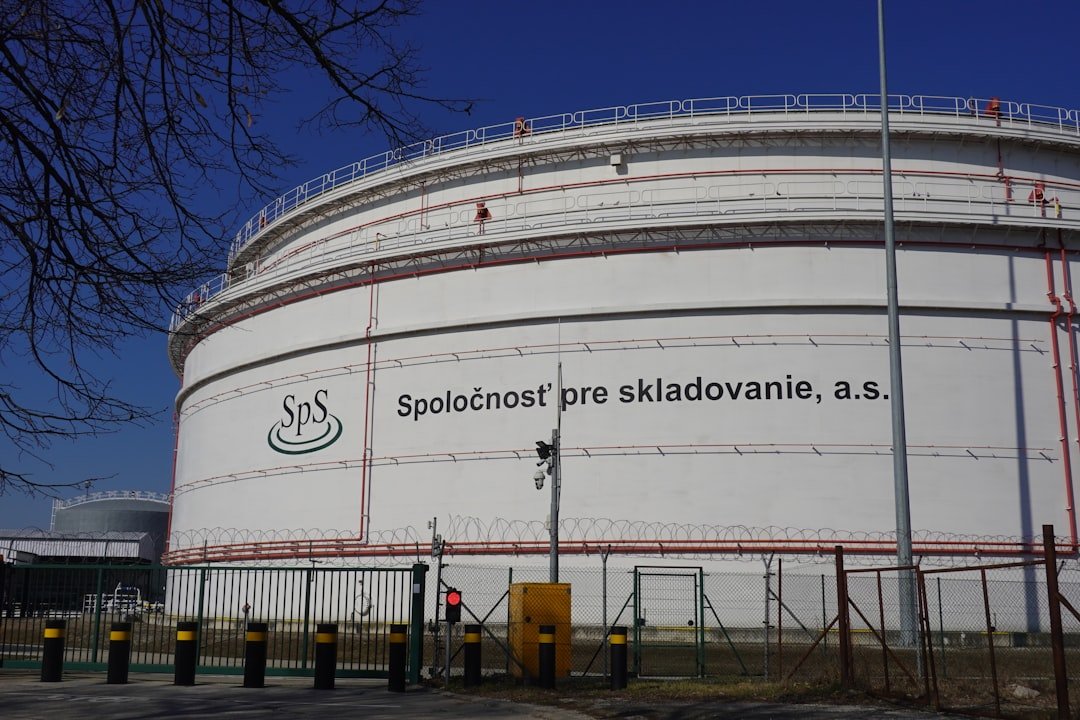
Jeff Currie, who spent decades as Goldman Sachs’ top commodities analyst before joining Carlyle Group, said Asia’s oil markets have already hit “tank bottoms”—industry terminology for when storage facilities reach minimum operating levels. Europe faces the same crunch soon, and the United States could see shortages as early as July if current trends continue.
The warning carries immediate implications for American consumers and businesses. Gasoline prices typically rise sharply when crude supplies tighten, hitting household budgets already strained by inflation. Small businesses dependent on fuel—trucking companies, landscapers, contractors—face the prospect of either absorbing higher costs or passing them to customers.
Currie’s analysis comes as ongoing conflict in the Middle East has disrupted normal shipping patterns through critical waterways. While he didn’t specify exact supply figures, the “tank bottoms” description indicates inventories have fallen to levels barely sufficient to keep refineries operating.
The geographic progression Currie outlined—Asia first, then Europe, then America—reflects global oil flow patterns. Asian nations typically compete most aggressively for Middle Eastern crude, so they feel supply pinches first. European refiners draw from multiple sources but face their own transportation constraints. The U.S., despite substantial domestic production, still imports millions of barrels daily to meet refining needs.
A July crunch would hit during peak summer driving season, when Americans traditionally take vacations and fuel demand surges. The timing could force difficult choices for families planning road trips or small businesses counting on seasonal revenue.
Currie built his reputation on accurate oil market forecasts during his 27 years at Goldman Sachs. His move to Carlyle, one of the world’s largest private equity firms, gave him oversight of the firm’s commodities strategy. When analysts of his stature issue warnings about physical shortages—not just price swings—energy markets typically take notice.
The situation remains fluid. Strategic Petroleum Reserve releases, production increases from domestic drillers, or easing Middle East tensions could all change the trajectory. But Currie’s timeline gives policymakers and businesses roughly six weeks to address potential shortages before they hit American consumers directly.
Watch for: gasoline price movements at the pump over the next month, any announcements about Strategic Petroleum Reserve taps, and whether domestic producers accelerate drilling plans in response to tightening supplies.
Key Points
- Asia’s oil storage has reached minimum operating levels, with Europe next and U.S. shortages possible by July
- Summer timing would hit families during vacation season and businesses during peak fuel demand
- Veteran analyst Jeff Currie’s warning signals physical supply problems, not just price volatility
https://www.cnbc.com/2026/05/25/oil-prices-iran-war-carlyle-currie.html – May 25, 2026