
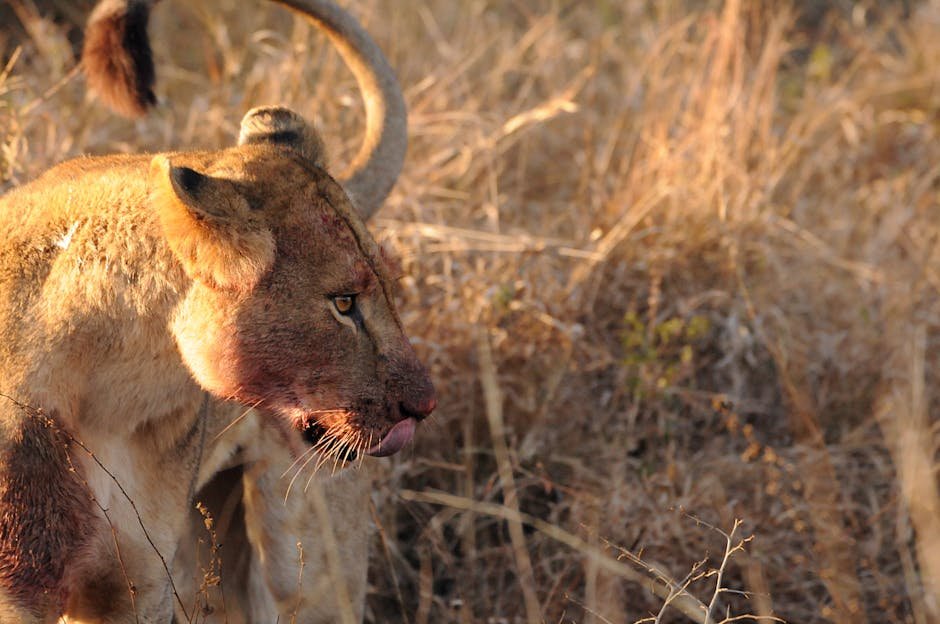
When California expanded its trophy hunting ban to include mountain lions on private land this spring, the state’s Department of Fish and Wildlife quietly acknowledged a $12 million annual shortfall in predator management funding. That money previously came from hunting permits, tags, and excise taxes on equipment — revenue streams that conservation groups now scramble to replace.
The controversy reveals an uncomfortable truth in American wildlife management: trophy hunters have funded much of the conservation infrastructure that all Americans enjoy. The Pittman-Robertson Act, which taxes firearms and ammunition, generates over $1.1 billion annually for state wildlife agencies. In states like Montana and Wyoming, hunting licenses fund up to 60% of wildlife agency budgets.
Proponents of trophy hunting bans argue that killing charismatic animals for sport is ethically indefensible in modern society. “We don’t need to shoot mountain lions to appreciate them,” says Jennifer Morrison of California Wildlife Advocates. “State general funds should support conservation, not trophy fees.” Animal welfare groups point to non-consumptive wildlife viewing — which generates $26 billion nationally through tourism — as proof that living animals have more economic value than dead ones.
But rural communities and wildlife managers see a different picture. In Idaho, where wolf hunting generates $2.3 million annually, biologists worry that banning trophy hunts would eliminate funding for ungulate surveys, habitat restoration, and livestock conflict mitigation. “Trophy fees don’t just count wolves — they pay for elk research, stream restoration, and CWD testing,” explains Tom Henderson, a retired Fish and Game biologist. “Cut that revenue and you cut the whole program.”
The disconnect grows sharper in states where hunting restrictions pass through urban ballot initiatives. Oregon ranchers watched their predator damage compensation shrink after Measure 18 banned hound hunting for cougars in 1994. Colorado’s recent wolf reintroduction came with no new funding mechanism, leaving ranchers wondering who’ll pay for livestock losses and management costs.
Several states now experiment with “conservation stamps” that non-hunters can buy to support wildlife. But participation remains low — less than 3% of what hunting generates. North American Wildlife Conservation Model advocates argue that “consumptive users” — hunters and anglers — remain conservation’s most reliable funders because they have skin in the game.
What’s at stake is who pays for wild America. Trophy hunting bans may satisfy urban voters’ ethics, but rural communities and wildlife agencies face a stark question: if hunters don’t fund conservation anymore, who will?
Key Points
- Trophy hunting and related excise taxes generate over $1 billion annually for state wildlife agencies, funding everything from habitat restoration to disease testing
- California’s expanded mountain lion hunting ban created a $12 million funding gap that the state has yet to fill
- Alternative funding through “conservation stamps” attracts less than 3% of what traditional hunting revenues generate, leaving rural communities questioning who’ll pay for wildlife management
Aporia News – June 10, 2026