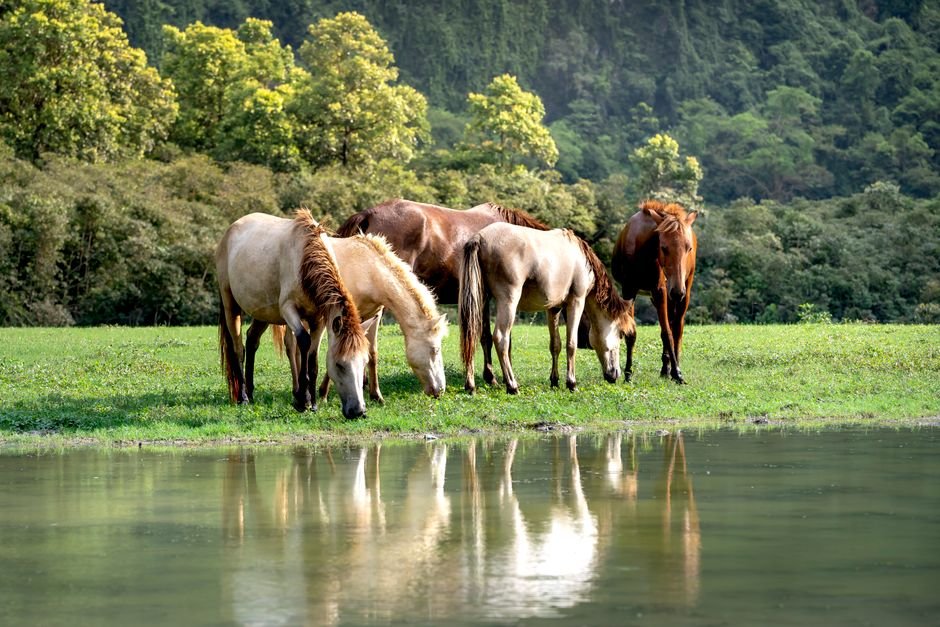
The Bureau of Land Management estimates 82,000 wild horses and burros now roam federal rangelands across the West — triple the number those lands can sustainably support. For ranchers who pay to graze cattle on the same ground, it’s a crisis years in the making. For wild horse advocates, any talk of removal is an attack on an American icon.
The animals consume forage that grazing permits were calculated to provide for livestock. They damage water sources and compete with wildlife including deer and pronghorn. Yet federal law protects them as “living symbols of the historic and pioneer spirit of the West,” making management a legal and political minefield.
Why the Population Keeps Growing
Wild horse herds can double every four years without natural predators or drought to check their numbers. The BLM rounds up thousands annually, but off-range holding costs now consume two-thirds of the agency’s wild horse budget — over $100 million yearly to care for animals in corrals and pastures.
Adoption programs can’t keep pace. Most gathered horses end up in long-term holding rather than finding homes. Meanwhile, on-range populations continue to surge, concentrated in Nevada, Wyoming, Oregon, and Utah where ranchers hold grazing permits that predate the 1971 Wild Free-Roaming Horses and Burros Act.
The Collision Over Forage and Water
Ranchers argue they’re paying for grazing rights while watching their allocated forage disappear. In drought years, the competition becomes acute. Some have seen permit numbers cut to protect rangeland health even as wild horse populations climb unchecked on the same allotments.
Wildlife managers note the impact extends beyond cattle. Overpopulated ranges show depleted vegetation, trampled springs, and declining habitat for sage grouse and other species. Some conservation groups support fertility control and larger gathers to prevent rangeland collapse.
Horse advocacy organizations counter that ranchers want public lands for private profit while horses belong to all Americans. They oppose gathers as inhumane and push for cattle reductions instead, arguing livestock do far more damage than horses.
What Happens When the Range Gives Out
At stake is whether federal rangelands can sustain any uses — livestock grazing, wildlife habitat, or wild horses — if populations aren’t controlled. Degraded ranges take decades to recover. For ranching families, reduced permits mean smaller herds and tighter margins. For rural Western communities built around livestock production, it threatens an economic foundation.
The controversy has no easy answer, but the rangeland keeps deteriorating while Americans argue over whose claim to it matters most.
Key Points
- 82,000 wild horses roam Western ranges built to support 27,000, competing directly with permitted livestock grazing
- BLM spends $100 million yearly holding gathered horses while on-range populations double every four years
- Ranchers face permit cuts for rangeland health while wild horse numbers climb unchecked on the same allotments
Aporia News – August 09, 2026