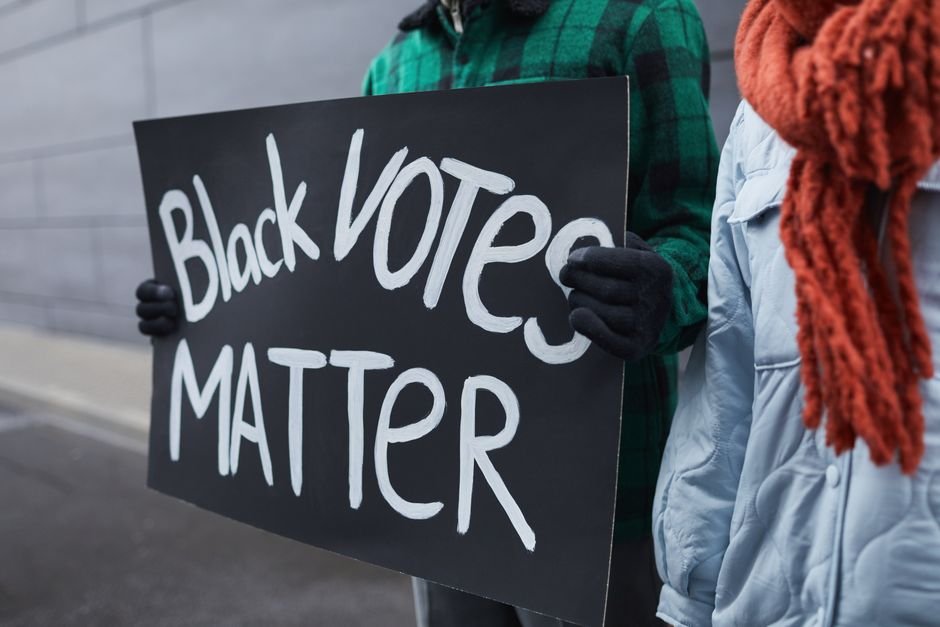
Two groups opposing Colorado’s wolf reintroduction have commissioned a report claiming the 2020 ballot measure that authorized the program was tainted by voter fraud. In a formal appeal to the U.S. Fish and Wildlife Service, they argue Proposition 114 never legitimately passed—and therefore the federal government should halt the entire reintroduction effort.
The controversy centers on a ballot initiative that passed by less than two percentage points in a state deeply divided between urban Front Range voters and rural communities where wolves will actually live. Now, six years later, opponents say they have evidence the vote was compromised.
The Election Fraud Claims and Federal Appeal
The groups—representing ranchers, rural county governments, and hunting organizations—hired forensic analysts to examine voting patterns in the 2020 election. Their report alleges irregularities in mail-in ballot processing and voter roll maintenance in several Colorado counties. They’ve submitted this analysis to USFWS along with a formal petition to suspend the reintroduction program pending a full audit of the Prop 114 vote.
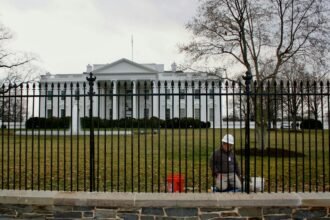
Legal experts say the appeal faces long odds. Federal wildlife agencies don’t typically intervene in state ballot measure disputes, and Colorado’s Secretary of State certified the election results years ago. But the move puts USFWS in an uncomfortable position—caught between its mandate to implement approved conservation programs and pressure from rural communities who say they never consented to wolves on their land.
What’s Actually at Stake for Rural Colorado
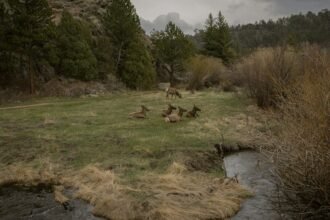
Strip away the election fraud angle, and you’re left with the same conflict that’s divided the West for decades: urban majorities voting to place apex predators on rural land they’ll never set foot on. Ranchers are already reporting livestock losses to reintroduced wolves. Elk populations in wolf zones have declined. And rural counties are bearing the economic costs while Denver and Boulder residents celebrate a conservation victory.
The fraud claims may be a Hail Mary legal strategy, but the underlying grievance is real. When city voters can dictate wildlife policy for agricultural communities 200 miles away, it’s not conservation—it’s colonialism with a green veneer. Whether or not Prop 114 was compromised, it was always going to be illegitimate to the people who actually live with the consequences. That’s the part of this story nobody in wildlife management wants to discuss.
Key Points
- Two anti-wolf groups commissioned voter fraud analysis of the 2020 Prop 114 election and submitted findings to U.S. Fish and Wildlife Service
- The ballot measure passed by less than 2 percentage points, with overwhelming support from urban areas and opposition from rural counties where wolves now live
- Legal experts say the federal appeal faces long odds, but it highlights the deeper conflict over urban voters imposing predators on rural lands
https://www.outdoorlife.com/conservation/colorado-wolf-opponents-claim-vote-was-rigged/ – June 17, 2026