
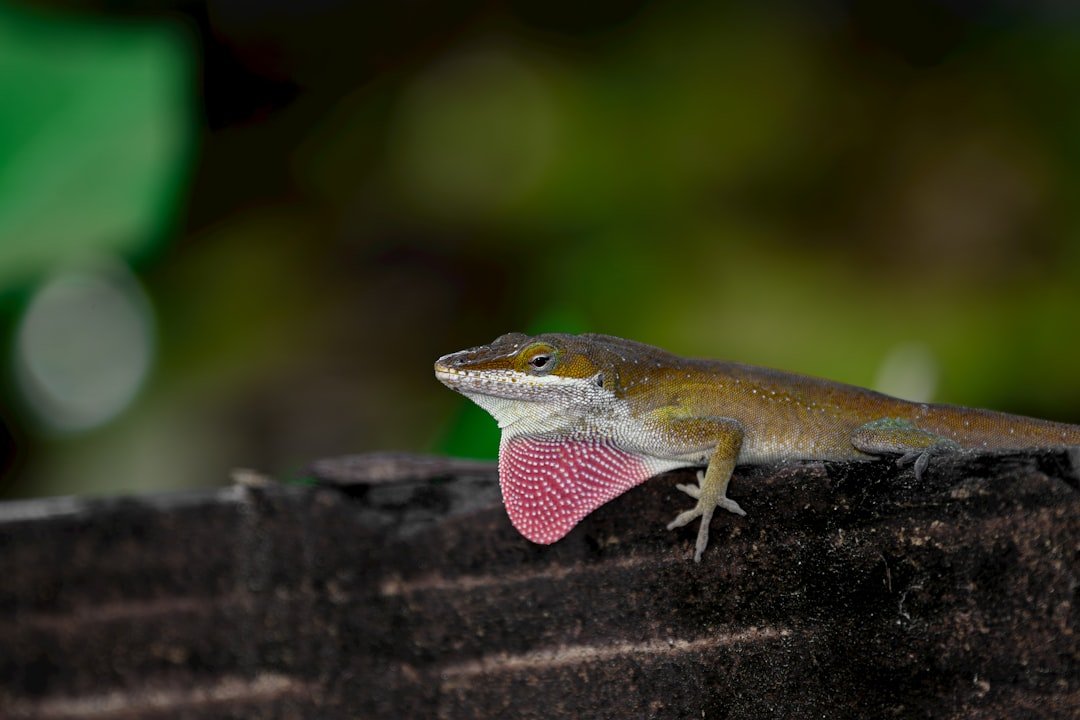
A South American lizard that grows to four feet long and weighs up to 10 pounds is multiplying across Georgia’s coastal counties, and state wildlife officials say traditional hunting and trapping methods may be the only realistic way to control them.
The Argentine black and white tegu, an invasive species first spotted in Toombs and Tattnall counties around 2020, has now spread to at least six counties. One wildlife biologist estimates their population may already exceed the local coyote population. But here’s where it gets complicated: while these reptilian invaders devour ground-nesting bird eggs, threatened gopher tortoises, and anything else they can catch, Georgia’s Department of Natural Resources has no formal eradication program and relies almost entirely on citizen reports and private removal efforts.
No Bounty, No Budget, No Real Plan
Unlike western states that fund aggressive predator control programs or invasive species bounties, Georgia has taken a hands-off approach to the tegu invasion. Landowners can kill tegus on their own property without a permit, and hunters can pursue them on public land during certain seasons, but there’s no coordinated removal effort and no financial incentive for trappers to target them.
The DNR website encourages citizens to report sightings and capture tegus if possible, then euthanize them humanely. Translation: the state acknowledges the problem but expects rural Georgians to solve it themselves, on their own dime.
The Property Rights Angle Nobody’s Talking About
This is where conservation meets controversy. If tegus become enough of a threat to native species—particularly threatened or endangered ones—don’t be surprised when federal wildlife officials start floating regulatory solutions that restrict land use or impose new rules on rural property owners in affected counties.
It’s a pattern rural Americans have seen before: an ecological problem gets ignored until it’s a crisis, then the solution somehow involves new restrictions on the people who live there. In this case, hunters and trappers willing to control tegu populations are doing the state’s work for free, but if endangered species start disappearing, the Endangered Species Act won’t blame the lizards—it’ll blame habitat disturbance, land management practices, and the usual rural scapegoats.
What’s at Stake
For now, Georgia’s approach puts responsibility where many conservatives think it belongs: on property owners and local communities rather than bureaucrats in Atlanta. But if this invasion spirals out of control and starts threatening species on the federal endangered list, that local control could evaporate faster than a tegu can clear out a quail nest.
Key Points
- Argentine tegus, lizards up to four feet long, are spreading across at least six Georgia counties with populations potentially exceeding coyotes
- Georgia has no eradication program or bounty system, relying instead on landowners and hunters to control the invasive species on their own
- If tegus devastate threatened native species, rural property owners could face federal land-use restrictions under the Endangered Species Act
https://www.outdoorlife.com/conservation/invasive-tegu-lizards-georgia/ – June 16, 2026