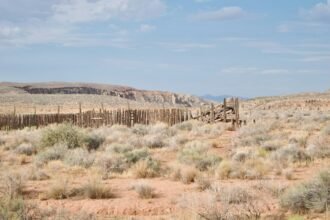
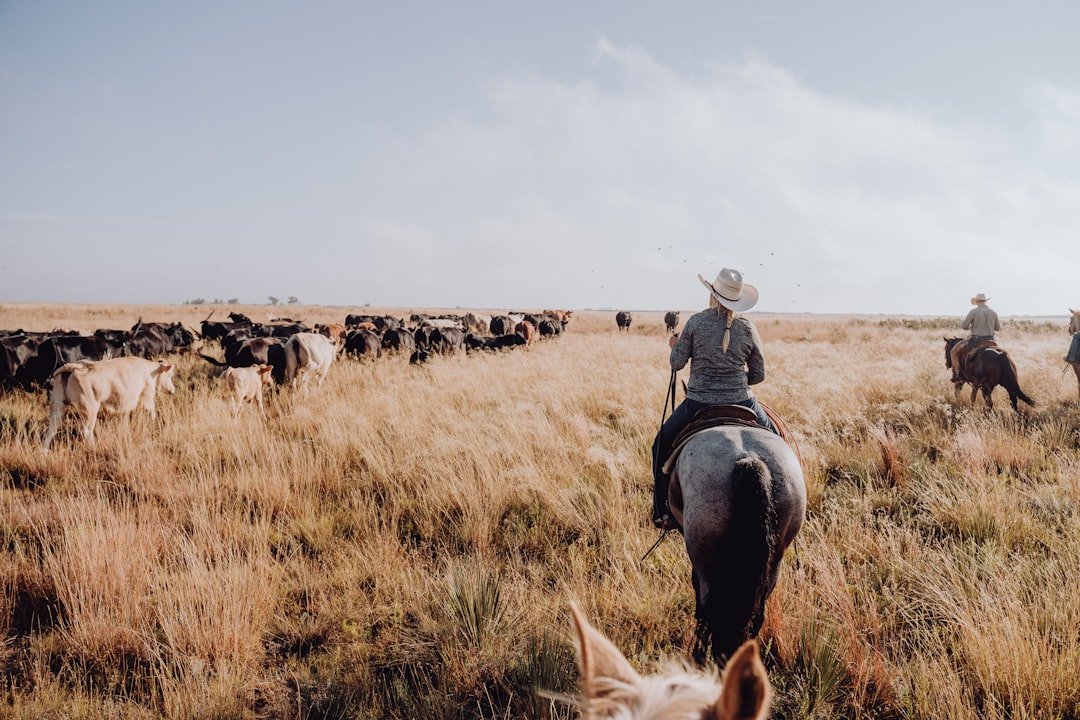
The Bureau of Land Management announced sweeping changes to grazing permit renewals across six western states last month, requiring ranchers to meet new “ecological benchmarks” before permits can be approved. The move affects roughly 18,000 ranching families who depend on federal grazing allotments to sustain their operations — land their families have worked for generations.
Under the new framework, BLM field offices will assess vegetation health, water quality, and wildlife habitat conditions before renewing 10-year grazing permits. Ranchers failing to meet thresholds could face reduced cattle numbers, shorter grazing seasons, or permit denials. The agency says the changes are necessary to restore degraded rangeland and protect sage grouse habitat.
Conservation Groups Call It Overdue Reform
Environmental organizations have pushed for stricter grazing oversight for decades, pointing to studies showing livestock damage to riparian areas and native grasslands. Western Watersheds Project argues that subsidized grazing on public lands costs taxpayers millions while harming ecosystems. They view the new BLM standards as a modest step toward holding permittees accountable for land condition.
The Center for Biological Diversity says unchecked grazing threatens endangered species recovery, particularly for the greater sage grouse. Federal biologists have documented declining populations in areas with heavy livestock use, and conservation groups argue that protecting public land ecosystems must take priority over private profit.
Ranchers Say Their Livelihoods Are Under Attack
The National Cattlemen’s Beef Association calls the policy “arbitrary enforcement that ignores decades of collaborative management.” Many ranchers operate on thin margins, and even modest reductions in grazing allotments can make operations economically unviable. Third and fourth-generation ranching families say they’re being forced off land their ancestors helped settle.
Rural county commissioners warn the changes will devastate local economies dependent on ranching. They argue that ranchers have improved range conditions through rotational grazing and water developments, and that BLM is applying one-size-fits-all metrics that don’t account for regional differences in climate and ecology.
What Happens Next in the Rangeland Battle
Wyoming and Montana have threatened legal action, claiming BLM exceeded its authority. Several Republican congressmen are drafting legislation to block the new standards. Meanwhile, the first permit renewals under the new system are due this fall, setting up potential showdowns between federal managers and ranching families who see their way of life disappearing.
Key Points
- BLM’s new grazing permit standards require ecological benchmarks that could reduce cattle numbers or deny renewals for 18,000 ranching families
- Conservation groups say the changes are necessary to restore degraded rangeland and protect sage grouse habitat from livestock damage
- Ranchers and rural communities argue the policy ignores collaborative management successes and will devastate local economies dependent on public land grazing
Aporia News – July 06, 2026