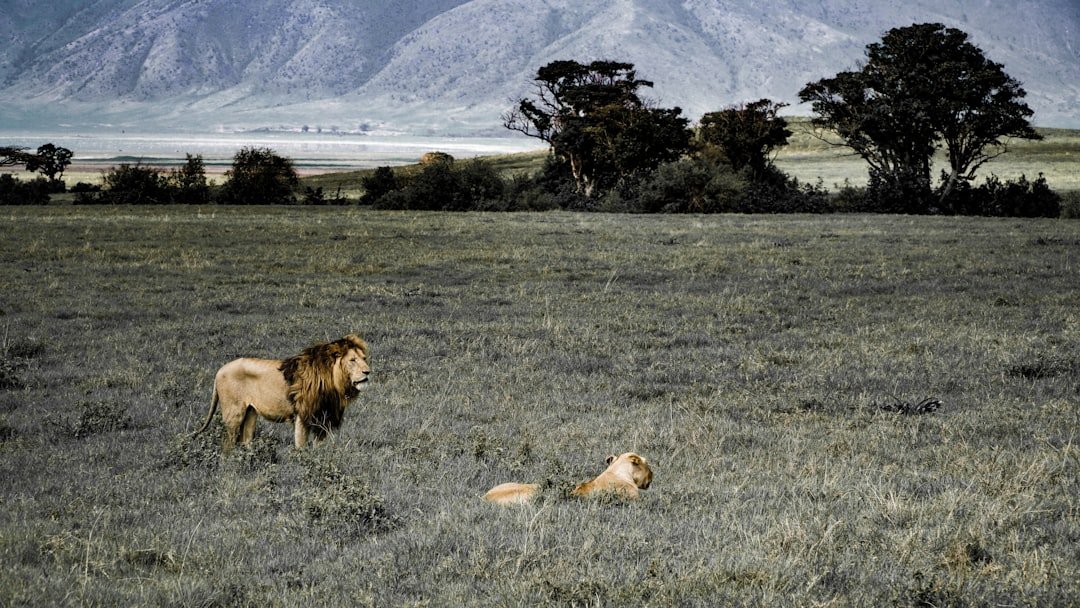
Mountain lion populations have surged across the West over the past three decades, with Colorado alone seeing numbers climb from roughly 3,000 cats in the 1990s to an estimated 4,500 today. Wildlife officials call it a conservation success story. Ranchers burying calves and parents keeping kids indoors at dusk call it something else entirely.
The tension reached new heights last month when a mountain lion killed two alpacas on a ranch outside Durango, Colorado—the third attack on that property in eighteen months. The rancher can’t get a depredation permit because state officials say the attacks don’t meet the threshold for “chronic” problems. Meanwhile, his livestock operation bleeds money with each kill.
Why Mountain Lion Numbers Keep Growing
Most Western states have eliminated or severely restricted mountain lion hunting since the 1990s. California banned lion hunting entirely in 1990. Colorado severely limited permits after intense pressure from wildlife advocacy groups. Washington classified mountain lions as a non-game species, making management extremely difficult.
Conservation groups argue these protections were necessary after decades of bounty hunting nearly eliminated the species. They point to mountain lions’ role as apex predators maintaining healthy deer and elk populations. “These animals belong on the landscape,” says wildlife biologist Sarah Chen. “Their recovery represents one of conservation’s great achievements.”
The Cost Rural Communities Actually Pay
But rural residents see a different picture. Mountain lion attacks on livestock have increased 300% in Colorado since 2010. Encounters near schools and homes have become routine in foothill communities. In 2024, a jogger in California barely survived a lion attack—the fourth such incident in three years.
Ranchers face a cruel choice: absorb mounting livestock losses or spend thousands on predator-proof fencing that state wildlife agencies won’t help fund. When they do get depredation permits, the bureaucratic process takes weeks while lions continue killing.
“They tell us we need to coexist with lions,” says Montana rancher Tom Bradford. “Easy to say when you’re not finding your cattle torn apart. Try explaining ‘coexistence’ to a mother whose kid can’t play outside because lions are denning near the house.”
What’s at Stake for Rural America
The core question remains unresolved: Who decides the acceptable level of risk? Wildlife agencies, operating under pressure from conservation groups based in Denver and San Francisco, impose lion management policies on communities that live with the daily consequences. Property owners want local control over predator management. Conservationists fear any relaxed hunting will return lions to threatened status.
Neither side is going away. And mountain lion populations keep growing.
Key Points
- Mountain lion populations have increased 50% across the West since the 1990s following hunting restrictions
- Livestock attacks in Colorado have risen 300% since 2010, with ranchers struggling to obtain depredation permits
- The controversy pits conservation success against rural community safety and property rights
Aporia News – July 07, 2026