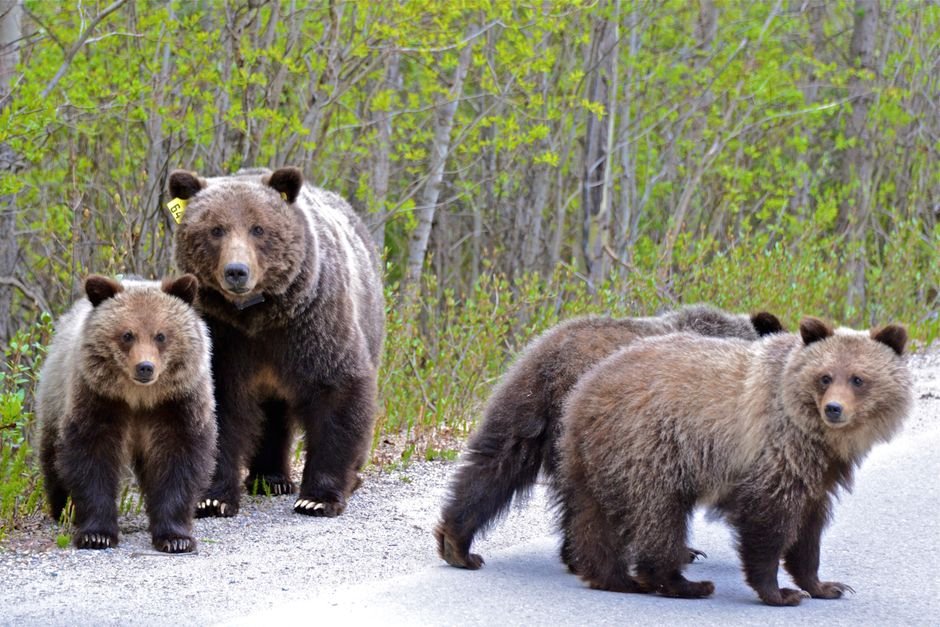
The U.S. Fish and Wildlife Service faces mounting pressure to remove Yellowstone grizzly bears from endangered species protection, reopening a decade-old fight that pits Western ranchers against environmental groups in one of conservation’s most bitter disputes.
Federal officials delisted grizzlies in 2017, transferring management to state wildlife agencies and clearing the path for limited hunting. Courts reversed that decision twice after lawsuits from conservation groups. Now, with grizzly populations at record highs, Wyoming and Montana are pushing hard for another delisting attempt.
Why Ranchers and Hunters Want Delisting
Grizzly bear numbers in the Greater Yellowstone Ecosystem have grown from 136 animals in 1975 to more than 1,000 today. Ranch families say they’re bearing the costs of that success. Livestock kills have tripled since 2010, with bears destroying cattle, sheep, and bee operations. Federal compensation programs reimburse market value but not the breeding potential of killed livestock or the expense of extra fencing and guard animals.
Hunting advocates argue that state management would allow limited trophy hunting, generating revenue for wildlife programs while giving communities a voice in managing an apex predator that now roams well beyond park boundaries. Wyoming wildlife officials proposed allowing 22 bears to be hunted annually before courts blocked delisting.
The Conservation Case Against State Control
Environmental groups counter that 1,000 bears isn’t nearly enough for long-term survival. They point to genetic isolation, with Yellowstone grizzlies cut off from other populations by highways and development. Trophy hunting, they argue, could quickly destabilize the population by killing breeding-age males.
Conservation attorneys also distrust state management, citing Wyoming’s plan to allow hunting right up to Yellowstone’s boundaries. They fear states will prioritize ranching interests over science-based population goals.
What Happens Next for Rural Communities
The tension reflects fundamentally different visions. To environmentalists, grizzlies represent wilderness recovery and federal protection works. To ranchers, it’s urban elites using the courts to impose costs on rural families who live with dangerous predators daily.
Fish and Wildlife Service hasn’t announced timeline for a new delisting proposal, but agency officials acknowledge the current situation satisfies nobody. Meanwhile, bear numbers keep growing, conflicts keep escalating, and the Endangered Species Act becomes another flashpoint in the urban-rural divide over who controls Western lands and wildlife.
Key Points
- Yellowstone grizzlies have grown from 136 to over 1,000 since 1975, triggering new delisting push
- Livestock kills have tripled since 2010, costing ranchers despite federal compensation programs
- Environmental groups argue 1,000 bears insufficient and distrust state management priorities
Aporia News – July 17, 2026