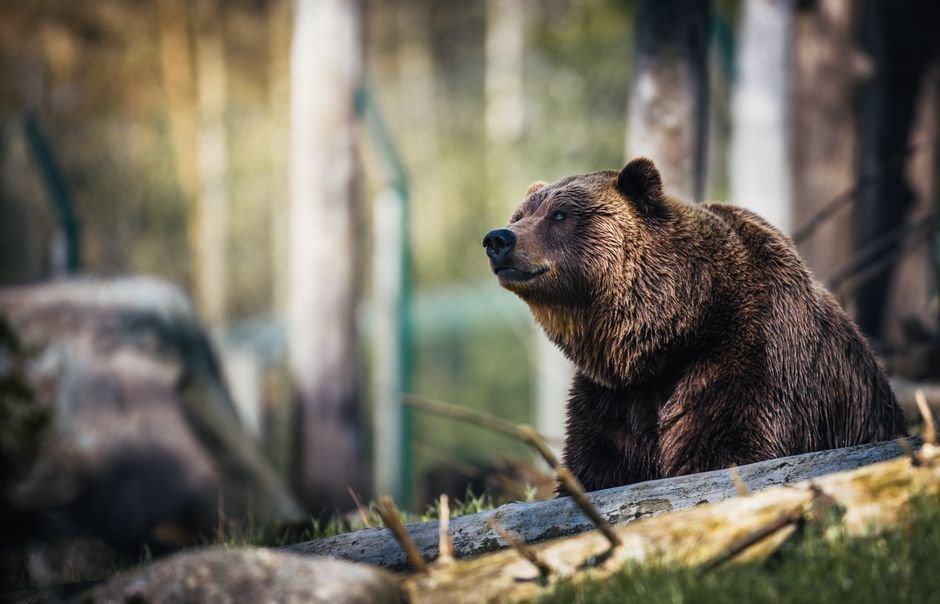
The U.S. Fish and Wildlife Service announced this week it will begin the formal process to remove Greater Yellowstone grizzly bears from Endangered Species Act protection, setting up another collision between ranchers who’ve lived with increasing bear conflicts and environmental groups promising immediate litigation.
The decision affects roughly 1,000 grizzlies in the Yellowstone ecosystem spanning Wyoming, Montana, and Idaho. Federal officials say the population has met all recovery goals and delisting would return management authority to state wildlife agencies. That’s exactly what worries conservationists—and exactly what ranchers have been demanding for years.
Why Ranchers Want State Management Now
Park County, Wyoming rancher Tom Hendricks lost three calves to grizzly attacks last spring. Under current federal protection, his options were limited to electric fencing and hoping the problem bear moved on. “We can’t defend our livestock, can’t defend our property,” Hendricks told local media. “These bears have zero fear of humans anymore because they know we can’t touch them.”
Grizzly encounters near homes, ranches, and hiking trails have increased sharply as the population expanded beyond Yellowstone’s core. Wyoming reported 64 livestock depredation incidents in 2025, up from 18 a decade ago. Compensation programs exist, but ranchers say the paperwork is burdensome and payments don’t cover the full economic loss or the stress of operating in constant bear country.
The Conservation Case Against Delisting
Environmental groups argue the Yellowstone population remains genetically isolated and vulnerable. “One bad decade of food shortages or disease could crash these numbers,” said Sarah Chen of Wild Bear Alliance. “Delisting opens the door to trophy hunting and removes federal safeguards during the most critical period of their recovery.”
They point to the 2017 delisting that was overturned in federal court, arguing nothing has fundamentally changed. State management plans in Wyoming include provisions for limited hunting, which conservationists say could remove crucial breeding males and destabilize the population.
What Happens Next for Rural Communities
The delisting process will take at least a year and faces certain legal challenges. Meanwhile, ranchers in grizzly country are stuck in limbo—living with an apex predator they can’t manage under federal rules written for a species that’s no longer rare in their area.
At stake is whether wildlife recovery means handing control back to the people who live with the consequences, or whether endangered species need permanent federal protection even after they’ve met every scientific benchmark for recovery.
Key Points
- Fish and Wildlife Service moving to delist Greater Yellowstone grizzlies after population reached 1,000 bears
- Ranchers report surging livestock losses and want state management authority to address problem bears
- Environmental groups promise litigation, arguing population remains vulnerable despite meeting all federal recovery benchmarks
Aporia News – July 15, 2026