
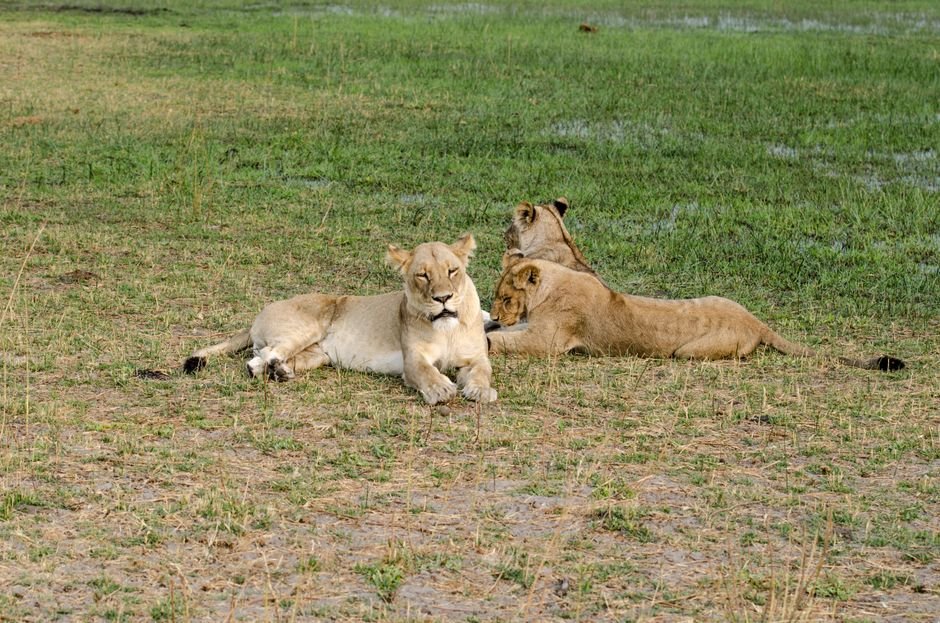
A boy’s first mountain lion hunt used to be a rite of passage in the West — proof you could handle yourself in rough country and protect livestock from predators that killed for sport, not survival. That culture is disappearing fast, and not because cats are scarce. Mountain lion populations are stable or growing across most of their range, but hunting them is increasingly treated as bloodlust rather than management.
The same week Colorado banned mountain lion hunting outright, a 12-year-old in Montana took his first cat with hounds after it killed three calves on his family’s ranch. His father posted a photo online. Within hours, animal rights groups demanded criminal charges. The boy received death threats. His school asked the family to keep him home for safety.
Why Lion Hunting Became a Cultural Flashpoint
Mountain lions are apex predators with no natural enemies except humans. In areas where hunting is restricted, attacks on livestock spike — and increasingly, attacks on people. California banned lion hunting in 1990. Since then, the state has documented more than 100 attacks on humans, 19 fatal. Colorado’s new ban passed despite warnings from wildlife biologists that urban lion encounters would increase.
For rural families, this isn’t theory. A lion that learns livestock are easy prey will kill dozens of animals in a season. Ranchers can apply for depredation permits, but the paperwork takes weeks while calves keep dying. Hunting with hounds — the method now vilified as “unsporting” — is actually the most selective way to remove problem animals while leaving breeding females with kittens alone.
The Conservation Argument Against Hunting Bans
Wildlife managers in 14 Western states use carefully regulated lion hunting to prevent overpopulation and reduce human conflict. Hunter license fees and excise taxes on gear fund the majority of state wildlife conservation budgets. When ballot measures ban hunting, that revenue disappears but lions don’t — and neither do the problems they cause.
The real controversy isn’t whether lions deserve protection. They’re thriving. It’s whether rural Americans who live with predators daily get a voice in managing them, or whether urban voters who’ll never lose livestock or encounter a lion on their doorstep get to decide based on emotion rather than biology.
That 12-year-old Montana boy learned to track, to read sign, to respect the animal he harvested. His family ate the meat. The ranch lost no more calves that season. But he’ll likely be the last generation allowed to learn those skills before hunting becomes criminal and predator management becomes someone else’s problem — paid for with someone else’s money, on someone else’s land.
Key Points
- Colorado banned mountain lion hunting despite stable populations and increasing urban encounters
- A Montana boy received death threats for killing a lion that killed his family’s calves
- Hunter-funded conservation dollars disappear when ballot measures ban hunting, but predator conflicts don’t
https://www.outdoorlife.com/hunting/first-mountain-lion-hunt-for-a-boy/ – July 26, 2026