
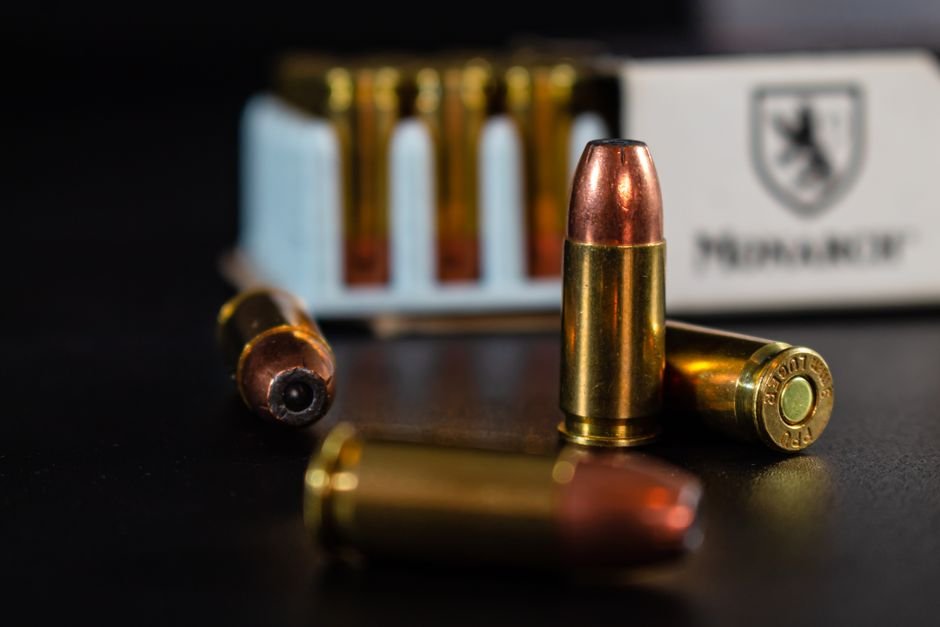
The U.S. Fish and Wildlife Service is expanding lead ammunition restrictions across additional federal wildlife refuges, citing waterfowl poisoning and raptor deaths from lead ingestion. The phased implementation begins January 2027 on select refuges, with broader application planned by 2029.
The move reignites a decade-long battle between wildlife toxicologists who say lead contamination kills thousands of birds annually and hunters who argue the restrictions impose unfair costs while ignoring scientific nuance about actual risk levels in upland hunting.
The Conservation Case for Lead Restrictions
Federal biologists point to documented lead poisoning in bald eagles, California condors, and waterfowl as justification for the expanded ban. When predators and scavengers consume gut piles or unretrieved game shot with lead ammunition, they ingest toxic fragments that can cause neurological damage and death.
Research from wildlife rehabilitation centers shows elevated lead levels in raptors during hunting season, particularly in areas with high waterfowl harvest. The Service argues that non-lead alternatives—copper and steel shot—have improved significantly in performance and availability since earlier bans on lead waterfowl shot in 1991.
Why Hunters Say the Science Is Selective
Hunting organizations counter that the Service cherry-picks data while ignoring studies showing minimal lead exposure risk in upland game hunting. They note that waterfowl hunting—already subject to non-toxic shot requirements—differs fundamentally from deer and elk hunting, where gut piles are often removed or buried.
The practical objection hits harder: copper ammunition costs roughly double what lead rounds cost, and performs differently at long range. For western elk hunters making 300-yard shots, the difference matters. Rural hunters operating on tight budgets say the mandate feels like a backdoor tax on a constitutional right.
Federal Overreach or Legitimate Wildlife Protection
The deeper tension involves federal authority to dictate ammunition choices on public land that hunters have used for generations. Critics see a pattern: incremental restrictions that make hunting progressively more expensive and complicated until participation declines—exactly what anti-hunting advocates want.
What’s at stake isn’t just ammunition. It’s whether federal agencies can impose blanket restrictions based on contamination data from scavenging birds, potentially setting precedent for broader bans affecting all public land hunting nationwide.
Key Points
- New lead ammunition restrictions begin January 2027 on select federal wildlife refuges
- Wildlife officials cite raptor and waterfowl lead poisoning; hunters question science applied to upland hunting
- Copper alternatives cost double, raising concerns about economic barriers to hunting access
Aporia News – October 28, 2026