The Klamath Basin sits at a crossroads most Americans never see—where the water that grows food crashes headlong into the water that keeps salmon alive. This August, as irrigation canals run dry and chinook carcasses line shallow streams, both sides are pointing fingers while the West’s oldest question gets asked again: Who owns the water?
Federal regulators ordered reduced flows to 11,000 acres of Oregon farmland this summer to maintain minimum stream levels for endangered coho salmon. The Bureau of Reclamation cited Endangered Species Act requirements and treaty obligations to downstream tribes. For fourth-generation farmers already facing drought, it’s the final straw on land their families have worked for a century.
The Conservation Case for Instream Flows
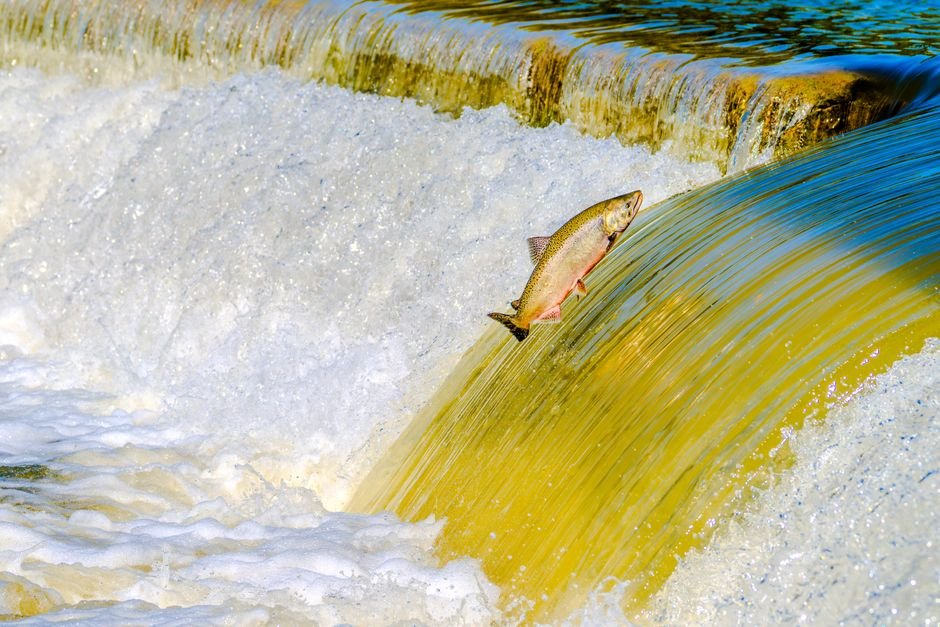
Biologists aren’t wrong about the fish. Coho salmon populations in the Upper Klamath have crashed 94% since 1990, with water temperature and flow volume as primary culprits. When irrigation draws streams down to trickles in July and August, water temperatures spike above 70 degrees—lethal for juvenile salmon. The Yurok Tribe, whose treaty rights guarantee fishing access, watched their 2025 salmon harvest drop to 3% of historical levels.
Wildlife advocates argue these aren’t just fish—they’re a keystone species that fed communities for 10,000 years. Let the salmon go extinct, they say, and you’ve broken a promise older than the Constitution.
What Shutting Off Water Means for Rural Communities
But farmers see a different broken promise. Their grandfathers signed contracts with the federal government guaranteeing irrigation water in exchange for developing the high desert. They built communities, schools, and churches on that promise. Now Washington is rewriting the deal without compensation.
The economics are brutal. Alfalfa farmers face $180 million in lost crop value this year alone. That’s not just money—it’s bankruptcies, foreclosures, and kids leaving family land that survived the Dust Bowl. Without water rights they can count on, banks won’t finance equipment or operational loans. The land becomes worthless except to corporate buyers or the federal government itself.
The Bigger Fight Coming to Every Western State
What’s happening in the Klamath Basin is spreading. Similar conflicts are erupting over Rio Grande silvery minnows in New Mexico, razorback suckers in the Colorado River, and delta smelt in California. Each follows the same pattern: endangered species listings triggering water reallocation from agricultural to environmental uses.
At stake is whether Western water law—based on prior appropriation and beneficial use since 1866—still means anything when it conflicts with federal environmental regulations written 130 years later. The salmon need cold water. The farms need any water. And nobody’s figured out how to make more of it.
Key Points
- Bureau of Reclamation reduced irrigation flows to 11,000 Oregon acres to protect endangered coho salmon
- Fourth-generation farmers face $180 million in losses and potential foreclosures from water cutbacks
- The conflict represents a broader Western battle over whether century-old water rights or modern environmental laws take precedence
Aporia News – August 03, 2026