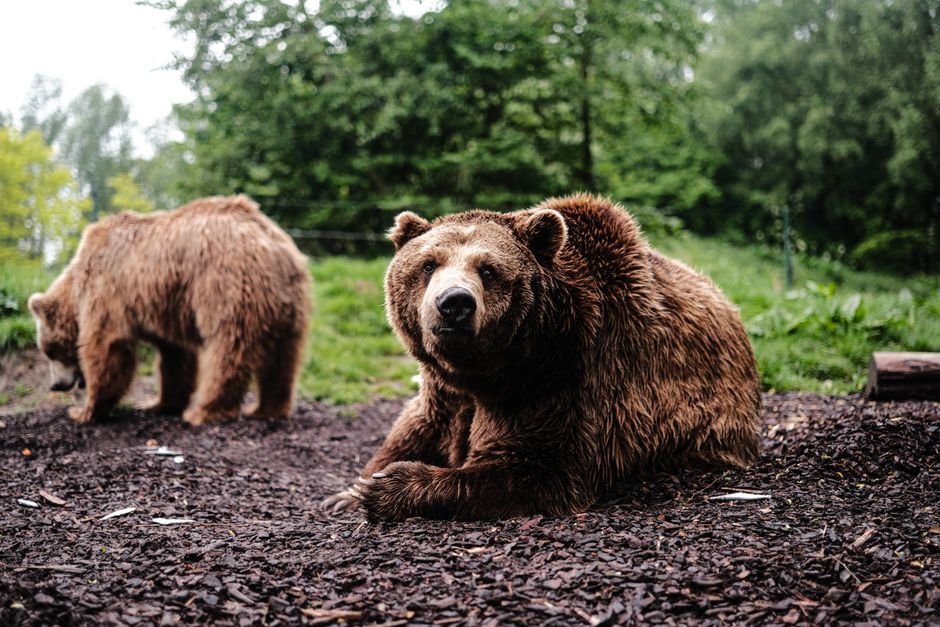
California’s grizzly bear stares out from the state flag, a 170-year-old ghost of an animal hunted to extinction by 1924. For the last few years, that ghost nearly came back to life through a state-funded feasibility study exploring grizzly reintroduction. Now, without fanfare or formal announcement, the plan has died in committee—killed by the same coalition of ranchers, hunters, and rural counties that opposed it from day one.
The California Department of Fish and Wildlife quietly shelved the $5 million study in late July, citing “insurmountable logistical challenges and lack of public support in potential reintroduction zones.” Translation: nobody in the mountains and valleys where grizzlies would actually live wanted them back.
Why Rural California Pushed Back Hard
The opposition wasn’t about hating wildlife. Ranchers in the Sierra Nevada foothills and North Coast ranges pointed to Montana and Wyoming, where grizzly conflicts cost livestock producers hundreds of thousands annually in lost cattle and sheep. They argued that California’s compensation programs—already strained by mountain lion depredation claims—couldn’t handle adding 800-pound apex predators to the mix.
Hunters worried about losing ground they’d only recently regained. California’s black bear population has rebounded significantly, creating new hunting opportunities in counties that hadn’t seen huntable bear numbers in generations. Introducing grizzlies would mean closure of vast tracts to black bear hunting and potential restrictions on deer and elk seasons in overlap zones.
The Conservation Case That Couldn’t Land
Proponents argued grizzlies would restore ecosystem balance in alpine and subalpine regions, controlling elk populations and creating nutrient distribution patterns that benefit everything from wildflowers to salmon streams. Scientists from UC Berkeley pointed to successful reintroductions in the Northern Rockies as proof the model works.
But those reintroductions happened in places with millions of acres of contiguous wilderness. California’s Sierra Nevada is ribboned with highways, dotted with mountain communities, and crisscrossed by hiking trails that see more annual visitors than Yellowstone. The comparison never held water.
What Dies With This Plan
The failure leaves California in a strange position: celebrating a state symbol that exists only as mythology. Some conservation groups are already pivoting to Oregon and Washington, where reintroduction faces less opposition. For rural Californians, the plan’s death represents a rare win against wildlife policies they see as driven by urban voters who won’t bear the costs. Whether that’s conservation pragmatism or a lost chance to restore what was taken depends entirely on which side of the fence line you stand.
Key Points
- California shelved its grizzly bear reintroduction study after ranchers and rural counties opposed the plan
- Livestock producers cited Montana and Wyoming predation losses as proof the state couldn’t handle grizzly conflicts
- Hunters feared losing black bear hunting opportunities and seasonal closures in grizzly zones
- Conservationists argued grizzlies would restore ecosystem balance but couldn’t overcome logistical reality
https://www.outdoorlife.com/conservation/california-grizzly-bear-reintroduction/ – August 15, 2026