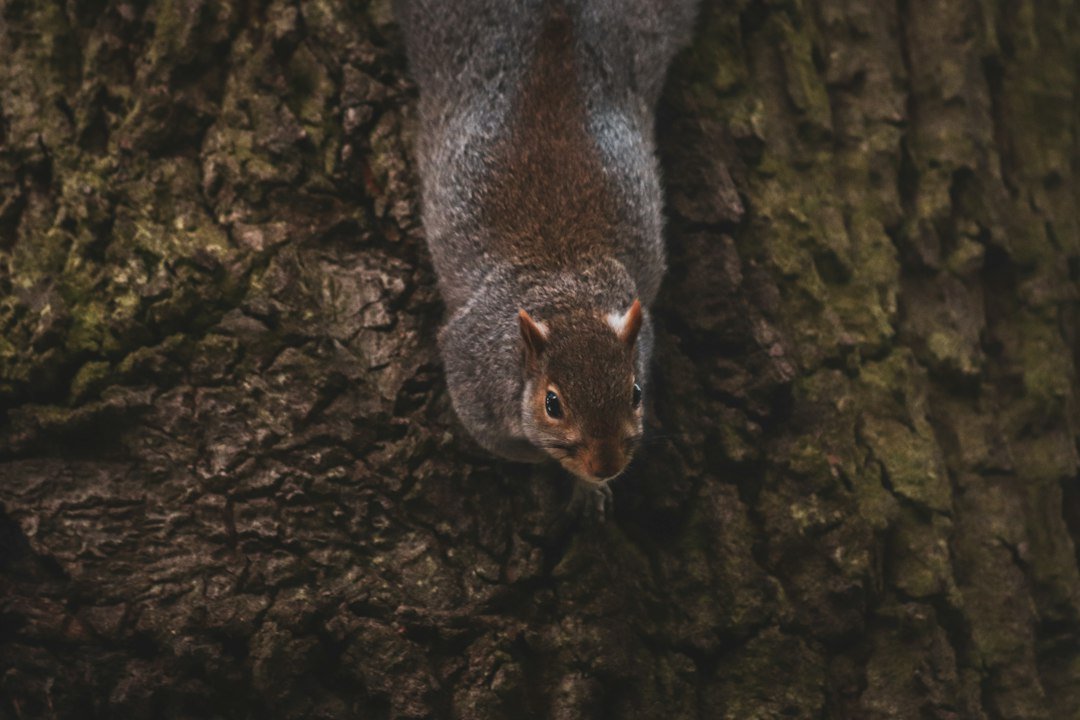
There’s a quiet irony in modern American conservation. While federal agencies spend millions managing deer populations and urban wildlife conflicts, one of the most abundant small game species in North America gets virtually no attention from hunters under 50. The squirrel—once a staple protein source for rural families—has become a forgotten resource, and that’s a problem both for wildlife management and hunting tradition.
State game agencies across the Southeast and Midwest report squirrel hunting license sales have dropped by more than 60% since 1980, even as squirrel populations remain stable or increase. Meanwhile, those same agencies struggle with deer overpopulation, crop damage complaints, and the rising costs of managing species that receive all the attention.
Why Traditional Small Game Hunting Matters
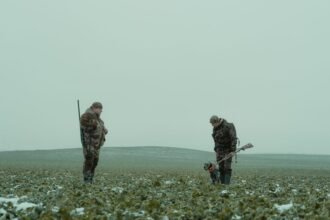
Squirrel hunting taught generations of American hunters woodsmanship, marksmanship, and patience. It’s how farm kids learned to shoot, how fathers introduced sons and daughters to the woods, and how families put meat on the table during lean times. The decline of squirrel hunting isn’t just nostalgia—it represents a break in how hunting skills and conservation ethics get passed down.
From a management perspective, squirrels are a renewable resource that requires almost no agency funding. They adapt well to habitat changes, reproduce quickly, and can sustain significant harvest pressure. In states like Kentucky and Arkansas, biologists note that squirrel populations could easily support triple the current harvest without conservation concern.
The Cultural Shift Away From Small Game
The problem isn’t biological—it’s cultural. Modern hunters chase trophy bucks and long-bearded turkeys. Squirrel hunting doesn’t generate social media content or bragging rights. Outdoor media focuses on high-dollar gear and destination hunts, not a morning in the hickory trees with a .22 rifle.
But there’s a cost to abandoning these traditions. When small game hunting disappears, so does an accessible entry point for new hunters. Squirrel season runs long, requires minimal investment, and teaches genuine hunting skills. Without it, hunting becomes increasingly expensive and exclusive—exactly what rural conservation advocates have warned against.
What’s At Stake For Rural Traditions
State wildlife agencies depend on license sales and federal excise taxes from ammunition and firearms. As hunter numbers decline, so does funding for habitat conservation that benefits all wildlife. Squirrel hunting represents an opportunity to recruit young hunters and maintain the traditions that built American conservation—but only if hunters remember why it matters.
Key Points
- Squirrel hunting license sales have dropped over 60% since 1980 despite stable populations
- Small game hunting traditionally taught marksmanship and woodsmanship to new hunters
- The decline threatens both hunting recruitment and the funding model for state conservation programs
https://www.outdoorlife.com/hunting/the-best-squirrel-recipes/ – September 15, 2026