
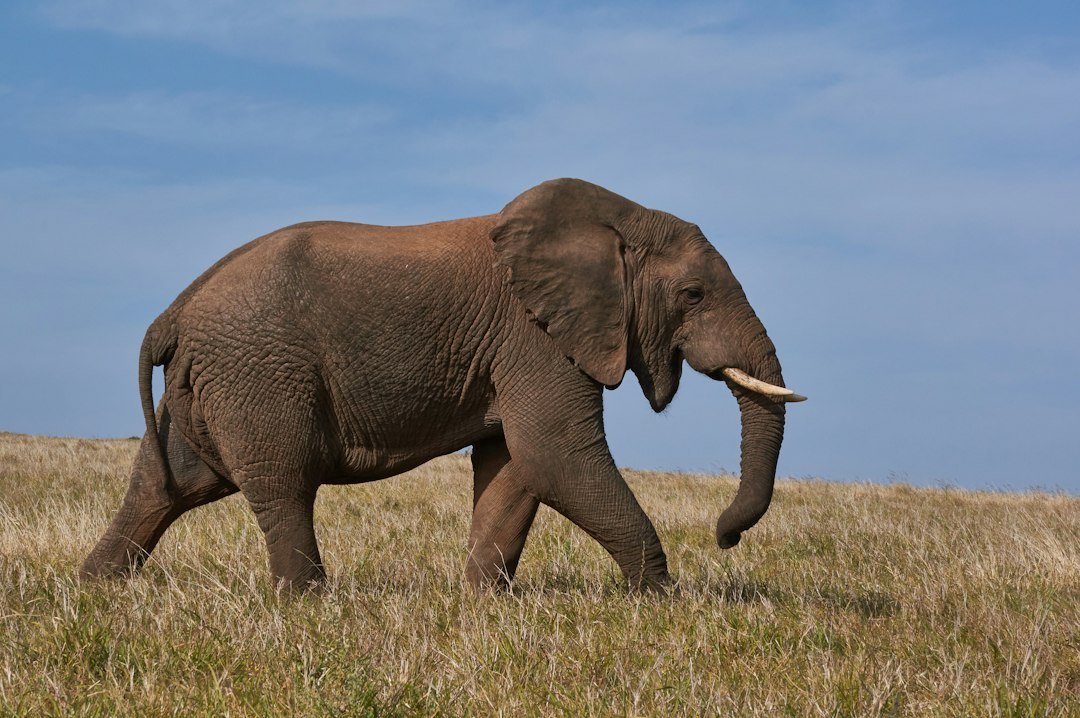
When California banned mountain lion trophy hunting in 1990, wildlife officials promised the population would thrive under protection. Today, the state spends millions managing human-lion conflicts while neighboring states that allow regulated hunting generate revenue that funds habitat conservation. It’s a pattern repeating across the West as trophy hunting bans clash with the economic reality of wildlife management.
The controversy cuts to the heart of modern conservation: Should charismatic predators be protected from hunters at all costs, or does the “user pays, public benefits” model that funded America’s wildlife comeback still work?
Where Conservation Dollars Actually Come From
Trophy hunting generates approximately $200 million annually for state wildlife agencies through license fees, tags, and excise taxes on equipment. In Montana, a single grizzly bear tag could cost $1,000 for residents, $6,000 for non-residents. Wolf tags, elk permits, and predator licenses create similar revenue streams that fund biologists, habitat restoration, and game warden patrols.
When Arizona considered banning mountain lion hunting in 2018, state wildlife officials testified that losing those license fees would eliminate roughly $2 million in predator research and livestock conflict mitigation. The money doesn’t just benefit lions—it supports entire ecosystems and the rural communities living among them.
The Case Against Killing for Conservation
Animal welfare advocates argue the model is ethically bankrupt. “We don’t fund domestic animal shelters by letting people shoot dogs for sport,” says Camilla Mortensen of the Humane Wildlife Coalition. “There are sustainable funding alternatives that don’t require killing apex predators.”
They point to watchable wildlife tourism, which generates substantial revenue in places like Yellowstone where wolf watching brings an estimated $35 million annually. Photography permits, wildlife viewing fees, and ecotourism could replace hunting revenue without lethal take.
What Ranchers and Rural Communities See
For ranchers dealing with livestock predation, the debate feels disconnected from reality. Trophy hunters pay for the privilege of removing problem animals that wildlife agencies might otherwise have to kill anyway. In Wyoming, 28% of verified grizzly bear conflicts involve livestock—bears that often end up shot by agency officials.
“Urban voters ban the hunt, then wonder why we can’t afford proper management,” says Tom Christiansen, a third-generation Montana rancher. “Meanwhile, we’re losing calves and have no say in policies affecting our land.”
At stake is whether America’s wildlife will be managed by people who live with the consequences or by voters hundreds of miles away. The funding gap is real, and someone will have to fill it.
Key Points
- Trophy hunting generates $200 million annually for state wildlife agencies through licenses and excise taxes
- California spends millions managing mountain lions after banning hunting while neighboring states use hunter fees for conservation
- Wildlife advocates propose ecotourism alternatives but rural communities say urban voters ignore funding realities
Aporia News – October 29, 2026