
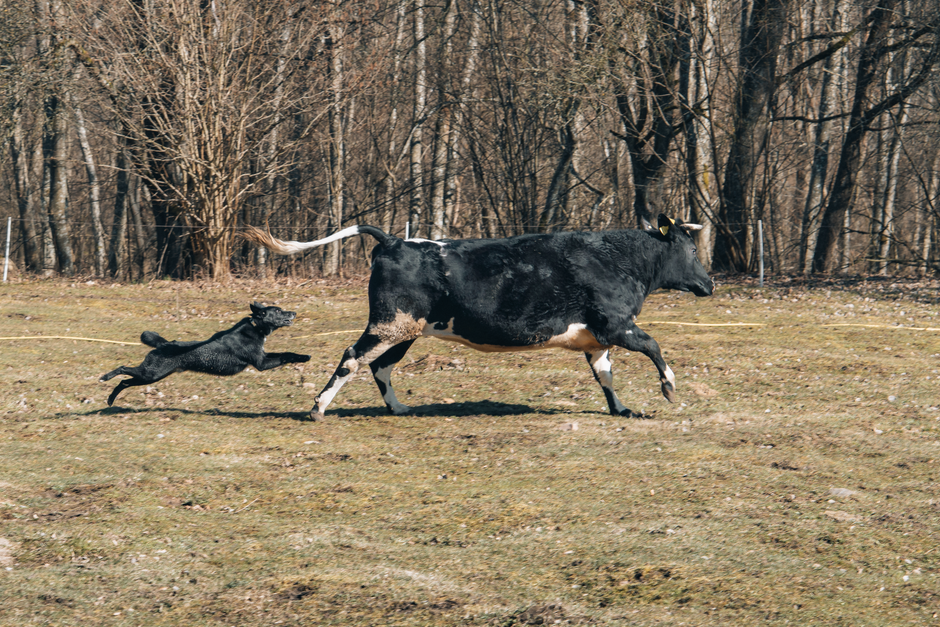
Colorado ranchers are tallying losses after gray wolves killed at least 15 cattle and calves in Grand County this fall, reigniting the bitter divide over predator reintroduction in the American West. The kills come two years after Colorado voters narrowly approved forced wolf reintroduction through a ballot measure that passed in urban areas but was overwhelmingly rejected in counties where wolves now roam.
The Grand County Stock Growers Association reports the confirmed kills represent only documented cases—ranchers say the actual toll is higher when accounting for missing calves and stress-induced livestock losses that don’t qualify for state compensation.
The Conservation Case for Wolf Recovery
Wildlife advocates argue wolves are a native species that belong on the landscape and serve critical ecological functions. Colorado Parks and Wildlife maintains that wolves help control elk populations, prevent overgrazing, and restore natural predator-prey dynamics that haven’t existed since wolves were eradicated in the 1940s. The agency points to Yellowstone, where wolf reintroduction changed river ecosystems by modifying elk behavior.
Supporters note Colorado’s wolf compensation program reimburses ranchers for confirmed livestock losses at market value, and the state has committed additional funding for preventative measures like range riders and guard dogs.
Why Ranchers Say the System Is Broken
Ranchers counter that compensation doesn’t cover their real costs—missing calves never found, breeding stock that can’t be replaced at market rates, and the chronic stress that reduces herd productivity. They argue urban voters imposed wolves on rural communities that never wanted them and now bear all the costs.
“We’re running a business on thin margins,” said one Grand County rancher who requested anonymity to avoid activist targeting. “Losing even a handful of calves can be the difference between staying solvent and selling out.”
Ranching families also resent being told predator-proof fencing and guard dogs will solve the problem—measures that require capital investment many operations can’t afford and may not work anyway against pack-hunting wolves.
What Happens Next
Colorado Parks and Wildlife has authorized lethal removal of wolves in chronic depredation situations, but the threshold remains unclear. Meanwhile, Wyoming and Montana ranchers watch nervously as Colorado’s wolves expand their range, potentially crossing state lines into areas where different management rules apply.
At stake is whether Western ranching can survive as a viable way of life—or whether conservation policy decided in Denver and Washington will price rural families off land their grandparents homesteaded.
Key Points
- Colorado wolves killed at least 15 confirmed cattle in Grand County this fall, with ranchers reporting higher uncounted losses
- Wildlife advocates say wolves restore natural ecosystems while ranchers argue compensation programs don’t cover real costs
- The conflict highlights the rural-urban divide over who decides predator policy and who bears the economic consequences
Aporia News – October 30, 2026