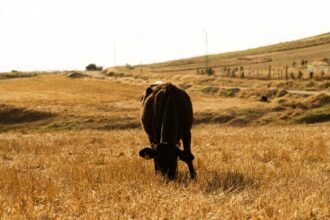
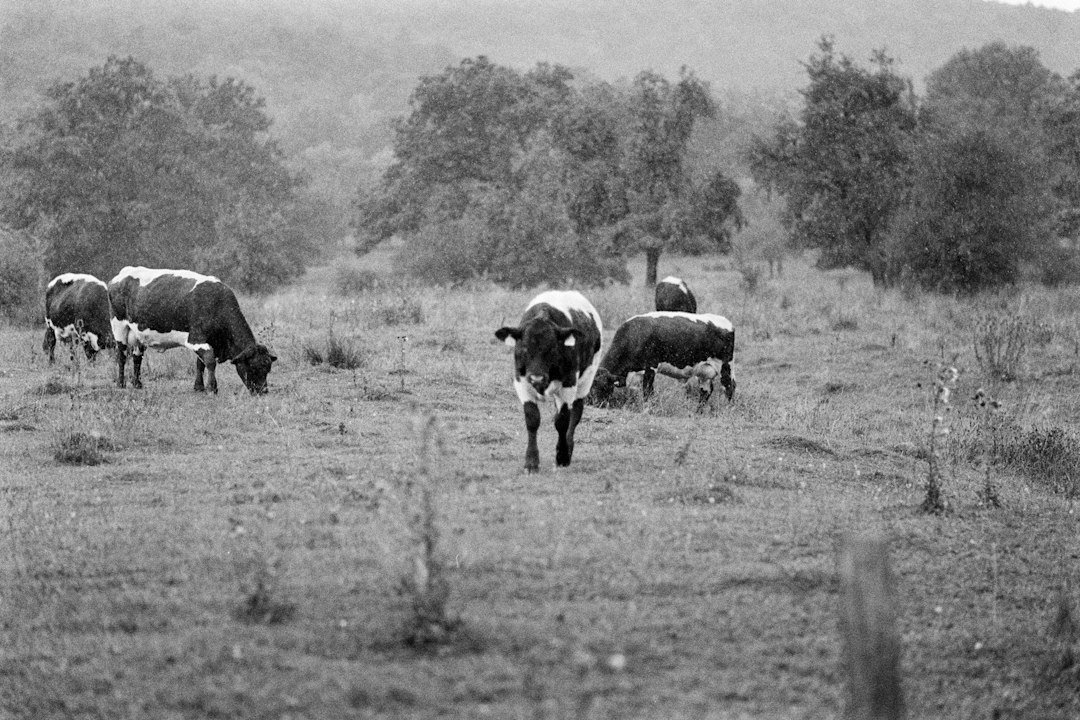
Gray wolves are back in Colorado after voters narrowly approved reintroduction in 2020, and the first confirmed livestock kills are reigniting a battle that’s played out across Montana, Wyoming, and Idaho for three decades. Ten wolves released last December have already claimed at least four calves and two sheep, according to Colorado Parks and Wildlife, with ranchers reporting the actual toll is higher once you count animals run to death or abandoned by stressed mothers.
The conflict isn’t new, but it’s reaching communities that haven’t dealt with wolf predation in 80 years. For conservation groups, wolf restoration corrects a historical wrong and restores ecosystem balance. For ranchers working thin margins on remote grazing allotments, each dead calf represents lost income they can’t afford and a predator their great-grandparents eliminated for good reason.
The Conservation Case for Wolf Recovery
Biologists point to Yellowstone’s wolf reintroduction as proof the predators provide benefits beyond their intrinsic value. Wolves there reduced overgrazing by elk, allowing willows and aspens to recover along streams, which stabilized riverbanks and created better habitat for beaver and songbirds. Defenders of Wildlife argues wolves kill primarily elk and deer—wild prey that evolved alongside them—and that confirmed livestock losses represent a fraction of one percent of cattle deaths regionwide.
The federal government and some states offer compensation for verified kills, though ranchers say the payments rarely cover true costs and the verification process is often stacked against them.
Why Ranchers Say the System Is Broken
The rancher’s perspective is straightforward: they’re being forced to coexist with a predator they never voted for (in most states) that kills their livestock, costs them money, and enjoys legal protections their animals don’t. Many report wolves killing for sport, leaving carcasses uneaten—behavior that outrages people whose livelihood depends on every calf. The compensation programs require proof of wolf predation, but wolves often scatter or consume evidence, leaving ranchers unable to document losses they know occurred.
In Montana and Idaho, where wolves lost Endangered Species Act protection, legislators have expanded hunting methods including night vision and baiting, trying to reduce wolf numbers near livestock. Conservation groups call these laws wolf persecution. Ranchers call them survival.
What’s at Stake for Rural Communities
This isn’t just about money or ideology—it’s about whether rural Americans who feed the country get a meaningful say in wildlife decisions affecting their land and livelihoods. The wolf debate forces a hard question: whose vision of conservation counts when the costs fall primarily on people living closest to the land?
Key Points
- Ten reintroduced Colorado wolves have killed at least six head of livestock in their first year
- Conservationists say wolves restore ecosystem balance; ranchers say compensation doesn’t cover real losses
- The conflict highlights who pays the price for wildlife decisions made by urban voters
Aporia News – October 13, 2026