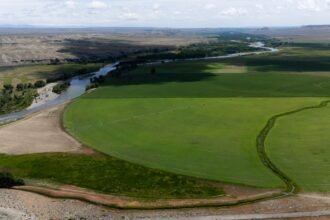
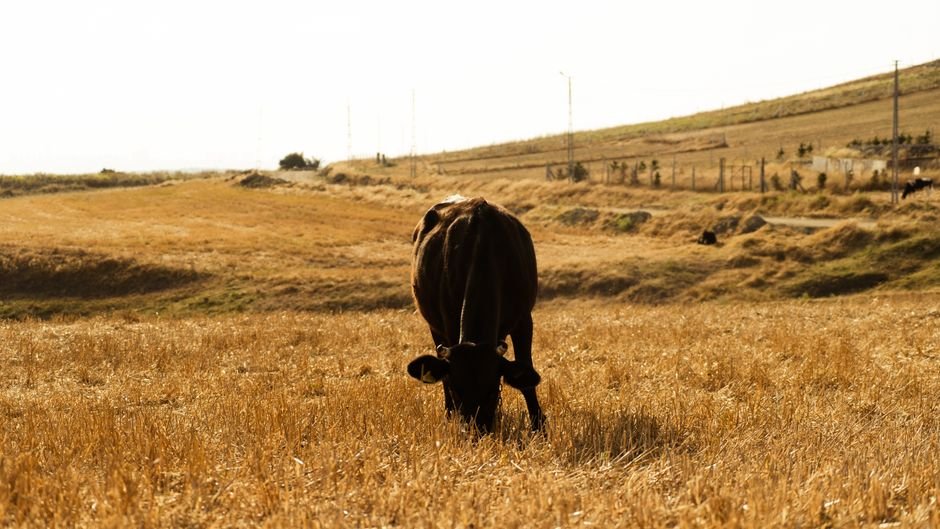
The Bureau of Land Management is moving forward with new grazing restrictions across 6.2 million acres of public rangeland in Nevada, Idaho, and eastern Oregon — a decision that ranching families say will devastate their operations while conservation groups call essential for protecting sensitive habitat.
The restrictions, announced last week, will reduce permitted livestock numbers by up to 40% on affected allotments and impose seasonal closures to protect greater sage-grouse breeding areas and riparian zones. The BLM says the changes follow years of monitoring showing degraded range conditions and declining wildlife populations.
Ranchers Say Generations of Stewardship Being Ignored
For families who’ve grazed these lands under federal permit for over a century, the cuts represent an existential threat. “My grandfather proved up this ranch in 1924,” says Tom Hendricks, a third-generation Nevada rancher facing a 35% reduction. “We’ve always managed these lands responsibly. Now bureaucrats in Washington are telling us we’re the problem.”
The Western Rangelands Coalition argues the BLM relied on flawed vegetation surveys and ignored substantial improvements ranchers have made through rotational grazing and water development projects. They point out that many struggling allotments have faced decades of reduced grazing already, yet conditions haven’t improved — suggesting factors beyond cattle are at work.
Conservation Groups See Different Story on the Ground
Environmental advocates paint a starkly different picture. The Center for Biological Diversity released photos from affected allotments showing trampled stream banks, invasive cheatgrass dominance, and sagebrush decline. “These rangelands are in crisis,” says Monica Chen, the group’s public lands director. “Sage-grouse populations have dropped 80% in some areas. Something has to change.”
They argue federal grazing permits are heavily subsidized — ranchers pay roughly $1.35 per animal unit month compared to $20+ on private land — and come with stewardship responsibilities that haven’t been met.
What Happens to Rural Communities
Beyond individual ranches, entire county economies hang in the balance. Livestock operations support feed stores, veterinary clinics, equipment dealers, and processing facilities. Elko County, Nevada estimates the restrictions could eliminate 120 jobs and reduce property tax revenue by $2.3 million annually.
The BLM’s final decision comes after a 90-day public comment period. Ranching groups are already preparing legal challenges, setting up another multi-year battle over who decides how America’s public lands are managed — and whether traditional rural livelihoods can survive federal conservation mandates.
Key Points
- BLM reducing permitted grazing by up to 40% across Nevada, Idaho, and Oregon rangeland
- Ranching families say century-old operations face closure while conservation improvements are ignored
- Environmental groups cite degraded habitat and 80% sage-grouse declines requiring immediate action
Aporia News – October 12, 2026