Wyoming’s proposal to slash wolf harvest quotas by half in the northwest corner of the state has ignited a fierce debate that cuts to the heart of Western wildlife management: Who really controls predator populations—state game managers who answer to hunters and ranchers, or federal bureaucrats protecting Yellowstone’s trophy wolves?
The Wyoming Game and Fish Department’s draft proposal for the 2026 season would reduce wolf harvest caps from roughly 40 animals to 20 in hunt areas bordering Yellowstone National Park, where the gray wolf population has dropped to a 20-year low. State biologists cite a disease outbreak and natural mortality as primary factors in the decline, not overharvesting by hunters.
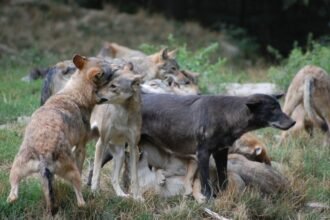
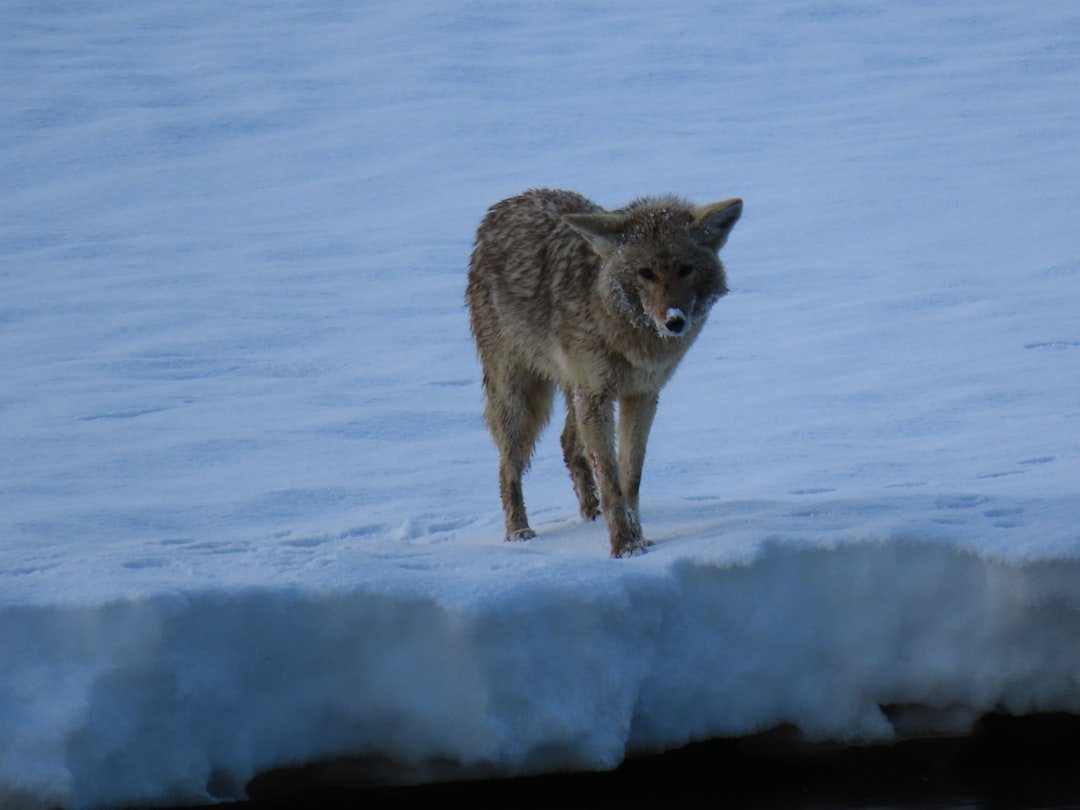
But here’s where it gets complicated. Yellowstone’s wolves aren’t just Wyoming’s wolves—they’re America’s wolves, according to wildlife watchers who spend millions annually to see packs like the Mollies and Junctions hunt elk across Lamar Valley. When a collared Yellowstone wolf wanders across the park boundary and gets legally harvested, it becomes a national news story and triggers calls for federal intervention.
Wyoming hunters argue they’ve already compromised plenty. The state maintains healthy wolf populations well above federal recovery targets, tolerates significant livestock losses, and watches elk herds decline in areas with established wolf packs. Now they’re being asked to further restrict harvest because diseases—not hunting—hammered wolf numbers near the park.
Conservation groups counter that Wyoming’s “predator zone” policy, which allows year-round wolf killing in most of the state, creates a shooting gallery for park wolves that dare cross an invisible line. They point out that trophy wolves—the big, charismatic pack leaders tourists pay to see—are disproportionately killed because they’re bold enough to hunt near boundaries.
The real tension isn’t about whether wolves should exist in Wyoming. That battle was settled decades ago when wolves were successfully reintroduced. The fight now is about who gets to decide how many wolves are enough, and whether Yellowstone wolves deserve special protection that wolves living on ranches and elk winter range don’t get.
State wildlife managers spent years regaining control of wolf management from federal authorities. They see these harvest cuts as necessary biological management—their job. But they also know that if Wyoming’s wolf numbers stay low, federal relisting becomes a real threat, and the state loses management authority entirely.
What’s at stake isn’t just wolf numbers near Yellowstone. It’s whether Western states can manage predators according to biological data and local needs, or whether high-profile animals in tourist destinations will always be managed differently than the wolves killing calves fifty miles away.
Key Points
- Wyoming proposes cutting wolf harvest quotas by 50% in areas bordering Yellowstone after populations hit 20-year lows due to disease, not overhunting
- The controversy pits state wildlife managers and hunters against federal oversight advocates who want special protections for Yellowstone’s tourist-famous wolf packs
- If wolf numbers remain low, Wyoming risks losing state management authority through federal Endangered Species Act relisting—exactly what hunters and ranchers fear most
https://www.outdoorlife.com/hunting/wyoming-wolf-declines-harvest-reductions/ – May 19, 2026