
By Rick Calloway | May 28, 2026
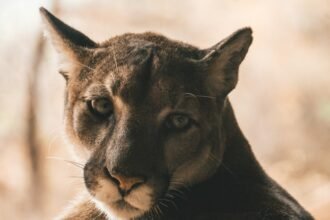
Mountain lion populations have rebounded dramatically across the West over the past three decades, and what wildlife biologists call a conservation success story, many rural communities are calling a growing threat to livestock, pets, and human safety.
In Colorado alone, mountain lion numbers have tripled since the 1990s, with the state now home to an estimated 4,500 to 5,000 lions. Similar population increases have occurred in Montana, Wyoming, and California. Wildlife officials credit hunting restrictions, habitat protections, and increased prey populations with the cat’s comeback.
“This is exactly what conservation is supposed to look like,” says Jennifer Martinez, a wildlife biologist with the Rocky Mountain Carnivore Project. “Mountain lions were severely depleted by bounty hunting in the early 1900s. We’ve restored ecological balance.”
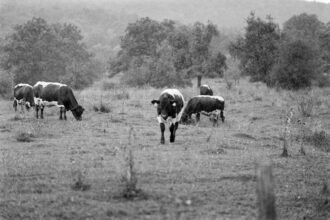
But balance looks different from a ranch house. Livestock losses to mountain lions have increased 340% in western states since 2010, according to USDA data. In rural Montana counties, pet attacks have become common enough that some families won’t let children play outside at dusk.
“My neighbor lost four calves in two months,” says Tom Brennan, a third-generation rancher outside Durango. “Fish and Wildlife tells us lions are naturally scared of humans, but these cats are walking through my yard in broad daylight. When do we get to protect our property?”
The controversy intensified this spring when California wildlife commissioners rejected a proposal to increase mountain lion hunting quotas despite record-high population estimates. Environmental groups argued that trophy hunting isn’t justified for a species that was threatened 30 years ago. Ranching organizations countered that current management ignores both livestock losses and legitimate safety concerns.
Some states are attempting compromise solutions. Idaho recently expanded depredation permits for ranchers who can document livestock kills, while maintaining restricted hunting seasons. Montana created “problem lion” zones where removal is expedited after conflicts.
Critics on both sides call these half-measures. Hunting advocates want population management returned to state wildlife agencies without federal ESA protections. Conservation groups argue that increased hunting would reverse decades of recovery efforts.
What’s clear is that mountain lions are no longer rare, and rural communities are living with the consequences of that success. The question facing western states is whether wildlife management can balance thriving predator populations with the safety and economic security of people who work the land these lions now roam.
Key Points
- Mountain lion numbers in western states have increased 200-300% since the 1990s, with livestock losses rising 340% in the same period
- California rejected increased hunting quotas despite record populations, while Idaho and Montana are experimenting with expanded depredation permits
- The core conflict: conservationists defend the recovery as ecological success, while rural communities say management policies ignore legitimate safety and property concerns
Aporia News – May 28, 2026