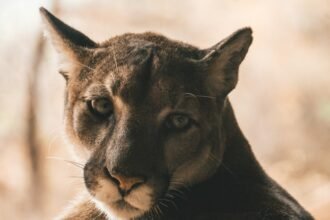
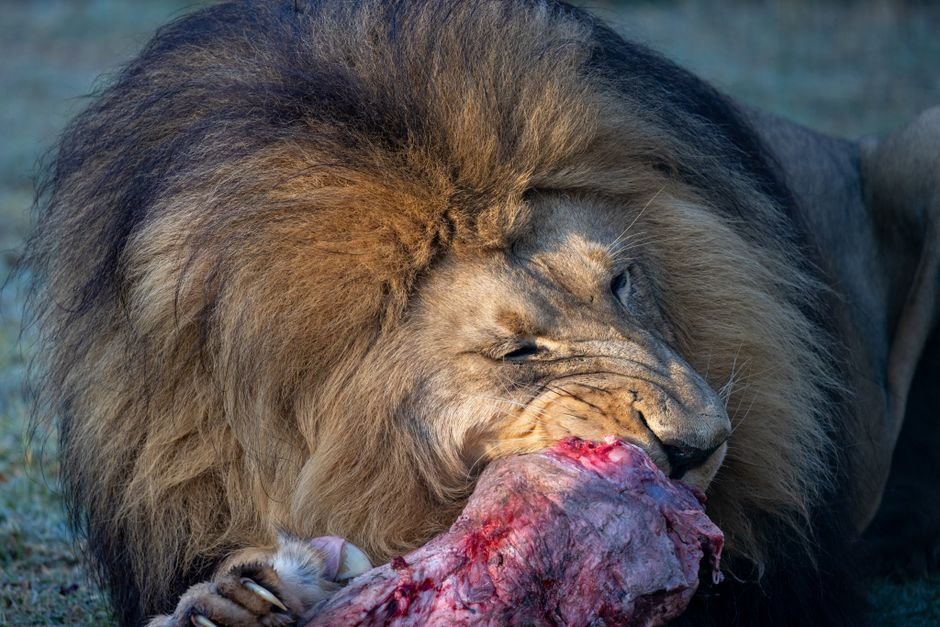
When California banned mountain lion trophy hunting in 1990, wildlife officials promised the big cats would thrive under different management. Thirty-six years later, the state’s cougar population faces genetic bottlenecking and increased human conflicts, while neighboring states with limited hunting seasons maintain healthier populations and fund conservation through license sales.
The paradox has reignited a national debate as more states consider trophy hunting restrictions on species from black bears to bobcats. Conservation groups argue the bans protect charismatic wildlife. Hunting organizations counter that they’re dismantling the funding mechanism that built America’s conservation success story.
The North American Funding Model at Risk
Since 1937, the Pittman-Robertson Act has funneled $14 billion from hunting licenses and equipment taxes into wildlife habitat and management. Trophy species—elk, bighorn sheep, mountain lions—generate premium license fees that cross-subsidize management of non-game species from songbirds to salamanders.
In Montana, a single bighorn sheep tag auctions for over $400,000, funding disease research that benefits the entire herd. Colorado’s elk management, supported by $700 million in annual hunting revenue, maintains habitat corridors used by 960 wildlife species. When Washington state restricted spring bear hunting in 2022, the Department of Fish and Wildlife lost $1.2 million in annual revenue with no replacement funding identified.
Wildlife biologists note that sustainable hunting pressure keeps prey populations mobile and alert, preventing overgrazing and habitat degradation. Removing apex predator hunting can lead to bold animals and dangerous human encounters—California euthanizes 100-150 mountain lions yearly for public safety, versus Montana’s 25-30 taken by management and hunters combined.
The Ethics Versus Economics Divide
Anti-hunting advocates argue that state wildlife agencies are captured by hunting interests and that non-consumptive funding models—wildlife watching permits, general taxes, outdoor recreation fees—can replace hunter dollars. They point to Kenya’s photographic safari economy as proof.
Rural communities see different math. In Wyoming’s eleven-person town of Bondurant, guided elk hunts provide 60% of the economic base. When neighboring Idaho restricted wolf hunting under federal pressure, livestock depredation doubled and hunting revenue dropped 14%.
What’s at Stake for Conservation
The broader question matters more than any single species: Who pays for wildlife that everyone enjoys but rural Americans live alongside? Trophy hunting opponents haven’t produced alternative funding at scale. Meanwhile, hunting license sales declined 2.2% nationally in 2025, and hunter numbers continue aging out.
The conservation funding crisis is coming whether trophy bans accelerate it or not. But pulling apart the system before building a replacement leaves wildlife agencies—and wildlife—caught in the middle.
Key Points
- Trophy hunting generates billions for habitat and non-game species management across North America
- States banning trophy hunts lose millions in conservation revenue with no replacement funding secured
- Rural economies depending on guided hunts face collapse while urban voters drive restrictions from distance
Aporia News – July 13, 2026