
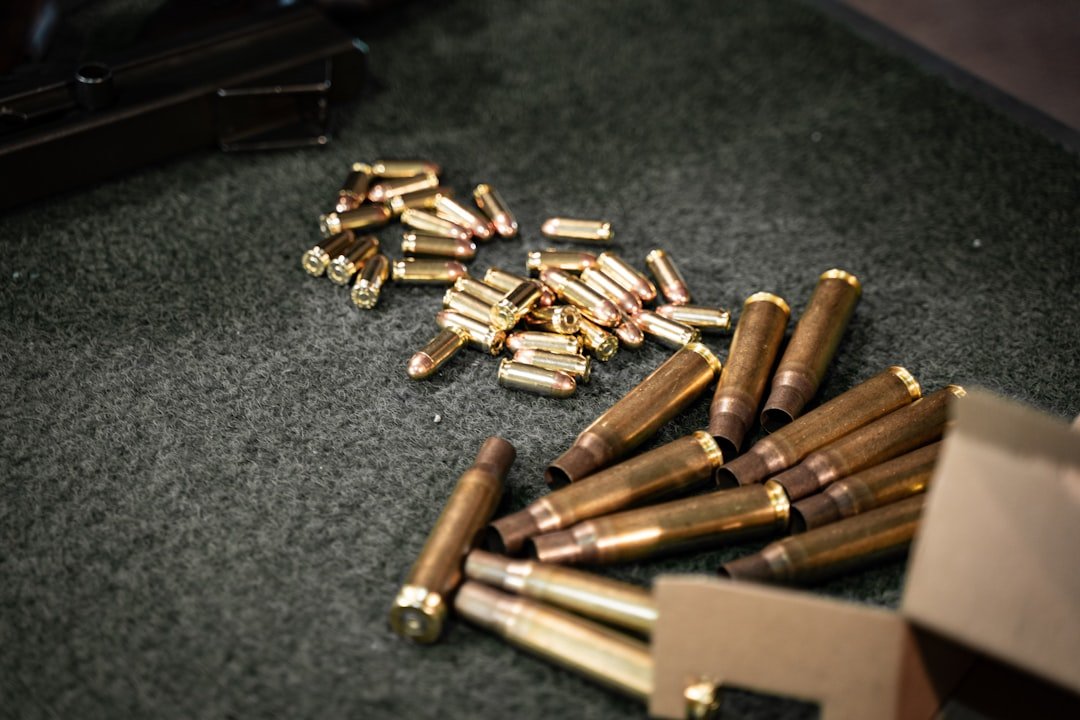
The U.S. Fish and Wildlife Service is expanding voluntary lead ammunition restrictions to mandatory bans on an additional 2.3 million acres of National Wildlife Refuges, effective October 2026. The move affects waterfowl hunters primarily, but sets a precedent that has the broader hunting community watching closely.
Federal officials cite decades of research showing lead poisoning kills an estimated 10 to 20 million birds annually. When waterfowl ingest spent lead shot while feeding, or when raptors consume gut piles containing lead fragments, the metal accumulates in their systems. Bald eagles, California condors, and trumpeter swans have all suffered documented population impacts from lead ingestion.
“We’ve seen the science evolve substantially,” says a Fish and Wildlife Service spokesman. “Non-toxic alternatives are widely available and effective. This is about removing an unnecessary source of wildlife mortality.”
But hunters see something different: the erosion of their access and autonomy on public lands they’ve funded for a century through excise taxes on firearms and ammunition. The Pittman-Robertson Act has generated over $14 billion for conservation since 1937, paid almost entirely by hunters.
Steel, bismuth, and tungsten alternatives cost two to four times more than lead ammunition. For waterfowl hunters who fire dozens of shells per outing, that’s $100-plus per hunt instead of $25. Fixed-income retirees and working-class families feel the pinch hardest.
“They’re pricing average Americans out of hunting, which is the whole point,” says Tom Henderson, a Montana waterfowler who’s hunted federal refuges for 40 years. “First it’s refuges, then it’s all federal lands, then they come for your state lands. We’ve seen this playbook before.”
Some hunters question whether the regulations would achieve their stated goals. Waterfowl populations have remained stable or grown in regions where lead shot was banned decades ago, but also in regions where it wasn’t—making cause-and-effect difficult to isolate from habitat and wetland conservation efforts.
The National Shooting Sports Foundation argues that focusing on ammunition distracts from more significant threats to wildlife like habitat loss and asks why voluntary programs can’t continue. Several state wildlife agencies have declined to implement similar restrictions on state lands.
What’s undeniable is the squeeze: hunters feel their traditions, their economic capacity, and their land access all under simultaneous pressure. Whether that pressure serves conservation or simply drives hunters away from the very refuges their license fees and ammunition taxes created—that’s what’s actually at stake this fall.
Key Points
- New mandatory lead ammo ban covers 2.3 million additional acres of wildlife refuges starting October 2026, expanding beyond voluntary restrictions
- Non-toxic ammunition alternatives cost 2-4x more than lead, creating economic barrier especially for working-class and fixed-income hunters
- Hunters who’ve funded federal refuges through $14 billion in excise taxes since 1937 see restrictions as undermining their access to lands they paid to conserve
Aporia News – June 02, 2026