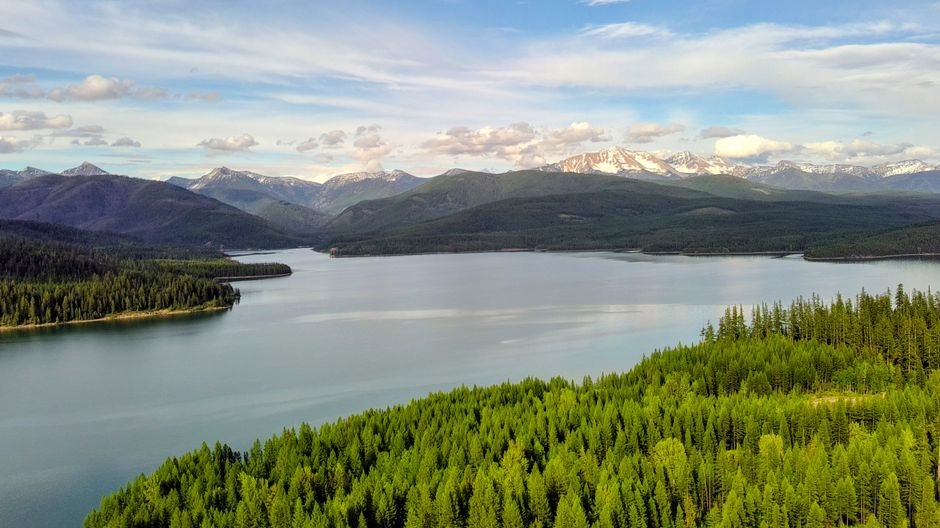
The Blackfoot River drainage—made famous by Norman Maclean’s “A River Runs Through It”—faces threats from gravel pits, a proposed gold mine, and an AI data center. Now a coalition of ranchers, outfitters, and conservationists wants Congress to protect 100,000 acres of elk and mule deer habitat by expanding two existing Wilderness Areas and creating a third. It sounds like common ground. But wilderness designation means permanent road closures, restricted access for elderly hunters, and federal control over land management decisions that affect everyone from timber workers to snowmobilers.
The “River Runs Through It Act” would add acreage to the Bob Marshall and Scapegoat Wilderness Areas and create the new Nevada Mountain Wilderness south of the Bob Marshall Complex. It would also designate National Forest and BLM lands as forest restoration areas, recreation areas, and conservation management areas.
Why Local Ranchers and Outfitters Support It
The coalition backing the plan includes ranchers who graze livestock on adjacent lands and hunting outfitters who depend on healthy elk herds. They argue the Blackfoot watershed produces some of Montana’s best big game hunting, and industrial development—particularly the proposed gold mine in the headwaters—threatens both water quality and wildlife migration corridors that have existed for generations.
For outfitters, wilderness designation protects the backcountry experience their clients pay for. For ranchers, it keeps mining operations from disrupting water sources their cattle depend on.
The Access and Control Questions Nobody’s Answering
Wilderness designation locks out motorized use forever. That means no ATVs for disabled veterans who want to hunt elk. No snowmobiles for families who’ve ridden those ridges for decades. No emergency vehicle access for search and rescue when a hunter breaks a leg ten miles from the trailhead.
It also means federal wilderness management rules trump local knowledge. If a forest restoration area needs thinning to prevent catastrophic wildfire, the management plan—written in Washington—determines what happens, not the Forest Service ranger who lives in Missoula.
What’s at Stake for Western Montana
The Blackfoot faces real threats. An AI data center at the Clark Fork confluence could strain water resources. A gold mine in the headwaters risks acid mine drainage that poisoned Colorado’s Animas River orange in 2015.
But wilderness designation is a one-way door. Once those roads close, they don’t reopen when the next generation wants to hunt from a side-by-side because their knees gave out. The question isn’t whether the Blackfoot deserves protection—it’s whether permanent federal control is the only way to get it, or if local hunters and ranchers lose more than they gain.
Key Points
- Coalition proposes expanding two Wilderness Areas and creating a third to protect elk habitat from mining and development
- Wilderness designation permanently bans motorized access, affecting disabled hunters and traditional snowmobile use
- Federal management rules would override local control over forest restoration and fire prevention decisions
https://fieldandstream.com/stories/plan-protects-key-wildlife-habitat-in-montana – June 27, 2026