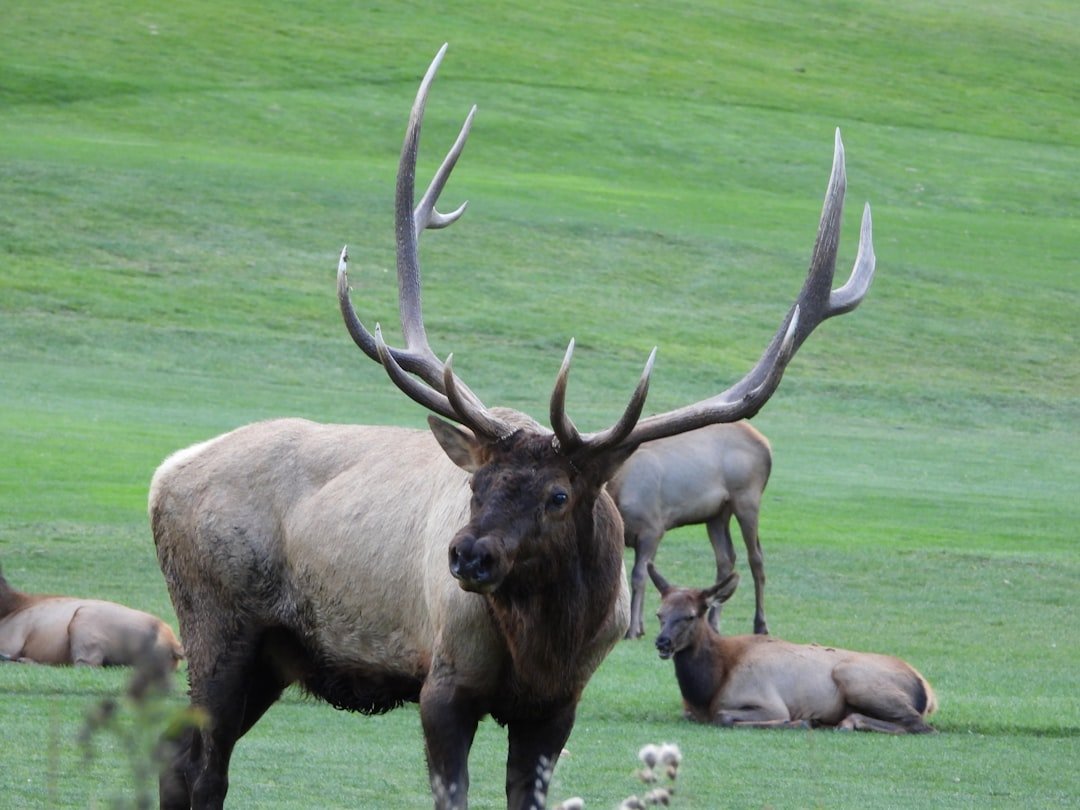
The Bureau of Land Management is proposing sweeping changes to how cattle grazing works on 155 million acres of public land—changes that would give ranchers more grass, more flexibility, and less government oversight. But there’s a catch hunters need to understand: those same rules could push elk, mule deer, and other big game off their historic ranges during critical seasons.
The proposal would allow ranchers to graze more cattle on public lands while streamlining permit renewals and reducing environmental reviews. Ranching groups say it’s long overdue—a correction to decades of federal micromanagement that has strangled family operations with paperwork and arbitrary restrictions. They argue that well-managed grazing actually benefits wildlife habitat by preventing the kind of catastrophic wildfires that have torched millions of acres of elk country.
Here’s where it gets complicated for hunters. The new rules would limit public comment periods and make it harder to challenge grazing permits that conflict with wildlife. Conservation groups point to data showing that in many Western states, livestock already outnumber elk on public range by ratios of 20-to-1 or higher. When cattle monopolize water sources and eat down grasses during summer, elk are forced into marginal habitat or onto private land where most of us can’t follow.
The core tension isn’t really about ranchers versus wildlife—it’s about who gets priority access to public resources. Ranchers pay grazing fees and argue their permits represent property rights earned through generations of stewardship. Hunters pay license fees and argue that wildlife belongs to all Americans, not just permit holders. Both sides have legitimate claims to land that’s supposed to serve multiple uses.
The BLM insists the changes will improve range conditions overall through “adaptive management.” But adaptive management requires monitoring and accountability—exactly what gets harder when public comment is curtailed and environmental review is fast-tracked. We’ve seen this movie before with other agencies promising better outcomes through less oversight.
What’s at stake isn’t just elk hunting in 2027. It’s whether public land management tilts permanently toward extractive uses—logging, mining, grazing—at the expense of the wildlife that drew most of us to these places in the first place. Ranchers built the West and deserve a seat at the table. But so do the millions of Americans who hunt, fish, and camp on land we all own together. This proposal tips the balance, and once bureaucratic rules change, they rarely swing back.
Key Points
- Proposed BLM changes would increase cattle grazing on 155 million acres while reducing environmental reviews and public comment periods
- Ranchers argue the reforms correct decades of federal overreach, while hunters worry increased livestock will displace elk and mule deer from critical habitat
- The real conflict is over priority access to public resources—whether grazing permits or wildlife tags should take precedence on land that belongs to all Americans
https://www.outdoorlife.com/conservation/proposed-blm-grazing-rules/ – June 11, 2026