A Montana bowhunter who survived a grizzly attack by fighting back with a knife has reignited the debate over whether recovered grizzly populations should be delisted from Endangered Species Act protections—and whether hunters in bear country have adequate means to defend themselves.
The unnamed hunter was field-dressing an elk in the Bob Marshall Wilderness when a sow grizzly charged from close range. With his rifle leaning against a tree several yards away, he had only seconds to react. According to the account, he drew his hunting knife and fought the bear at close quarters, sustaining severe lacerations to his arms and head before the bear broke off the attack.
The Grizzly Recovery Success Story Nobody Celebrates
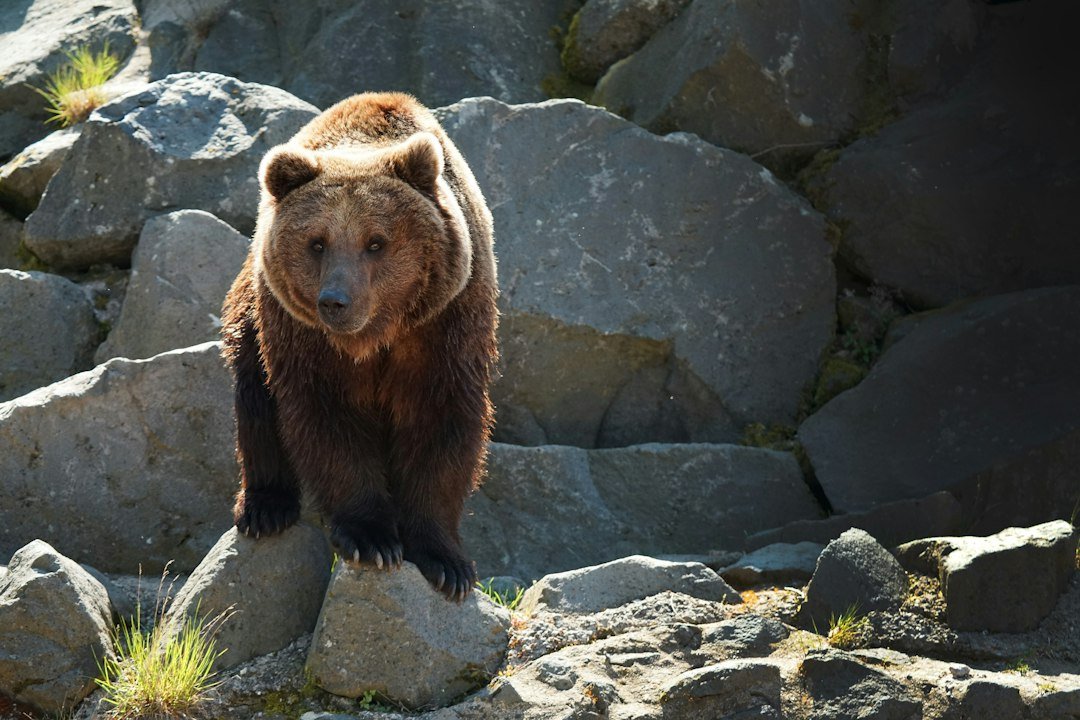
Grizzly bears in the Northern Continental Divide Ecosystem have recovered from roughly 800 animals in the 1990s to an estimated 1,100 today. By every biological measure, the population has met recovery goals. Yet federal courts have repeatedly blocked efforts to remove grizzlies from ESA protection, citing concerns over habitat connectivity and climate impacts on food sources.
Wildlife managers in Montana argue the population is robust enough to support limited hunting, which would generate revenue for conservation and give local communities more control over problem bears. Environmental groups counter that delisting is premature and that hunting would reverse decades of recovery work.
The Self-Defense Question Nobody Wants to Answer
Meanwhile, hunters entering grizzly country face a legal paradox. Killing a grizzly in self-defense is technically legal, but only if the encounter meets strict criteria—and only after the fact, when Fish and Wildlife Service investigators review the evidence. Bowhunters are especially vulnerable during the quiet work of field-dressing game, when visibility is limited and a rifle may be out of immediate reach.
Some hunting groups have called for clearer self-defense protections and the right to carry bear spray or sidearms without legal ambiguity. Others have questioned whether continuing ESA protections in recovered areas makes sense when rural residents are shouldering the risks of living with apex predators.
What’s at Stake for Hunters and Rural Communities
This incident won’t change federal policy, but it highlights the disconnect between wildlife managers in distant offices and the people who actually share the landscape with grizzlies. For hunters, the question is simple: if a species has recovered, why does exercising self-defense still feel like a potential federal case?
Key Points
- Montana bowhunter survived grizzly attack using only a knife after rifle was out of reach during elk field-dressing
- Grizzly populations in Northern Continental Divide have met recovery goals but remain federally protected despite state delisting efforts
- Incident highlights legal ambiguity around self-defense against protected species and whether hunters have adequate options in bear country
https://www.outdoorlife.com/survival/fought-off-grizzly-bear-knife/ – September 21, 2026