
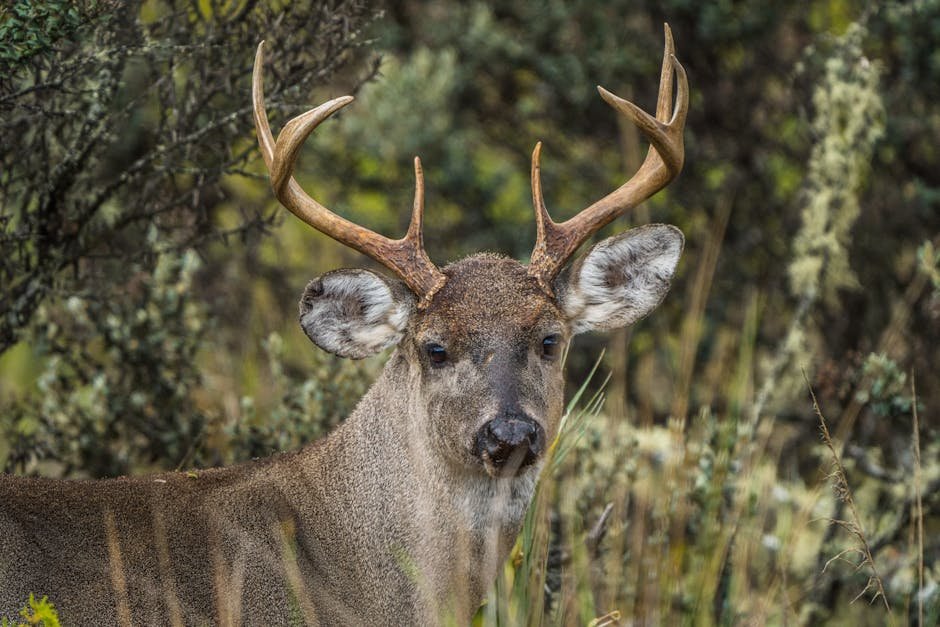
The white buck of Maury County became a legend precisely because everyone agreed not to shoot him. For three seasons, hunters who could have taken the shot chose not to — a voluntary restraint that’s becoming rarer as state wildlife agencies and conservation groups push mandatory protections that many outdoorsmen see as government overreach disguised as stewardship.
White deer occupy a strange place in American hunting culture. In some states like Wisconsin, Michigan, and Iowa, albino and piebald deer receive legal protection — you can lose your license for shooting one. In others like Tennessee, where this ghost buck roamed, the decision remains with the hunter. That difference matters more than urban conservationists often realize.
When protection is voluntary, it builds something powerful: a shared ethic among hunters who police themselves. The Maury County buck survived because the hunting community valued the story more than the trophy. Farmers tolerated crop damage. Bowhunters passed on shots. That’s conservation that emerges organically from people who actually live with wildlife, not from federal biologists in distant offices.
But the push for mandatory protections — whether for white deer, specific age-class bucks, or charismatic predators — erodes that voluntary tradition. When the government mandates what was once a choice, it transforms a community value into a legal constraint. Rural Americans notice the difference, even if the outcome looks the same on paper.
The broader pattern concerns many hunters. Sage grouse listings that restrict grazing. Wolf reintroductions that bypass local input. Endangered species designations that effectively federalize private land use. Each represents conservation goals colliding with the rights of people who’ve managed wildlife and habitat for generations — often successfully, by any honest measure.
The white buck story offers an alternative model: let hunting communities make these calls. Some will protect unique animals voluntarily. Others won’t. But the decision remains with people who have skin in the game, not bureaucrats enforcing one-size-fits-all rules across vastly different landscapes and cultures.
There’s a legitimate debate here. Conservationists argue voluntary protections fail when one hunter doesn’t share the community ethic. They point to species driven to collapse by unrestricted harvest. They’re not wrong about historical examples.
But hunters counter that top-down mandates breed resentment that ultimately harms conservation. When people feel steamrolled, they resist cooperation on habitat work, access agreements, and data collection that biologists need. They’re not wrong either.
The Maury County buck lived because a community chose to let him live. That’s worth something that regulations can never quite replicate — even if it’s harder to scale and impossible to guarantee. The question is whether American conservation can still make room for that tradition, or whether every ghost buck will eventually need a federal protection order to survive.
Key Points
- Several states legally protect white deer while others leave the decision to individual hunters, creating tension between mandatory and voluntary conservation approaches
- The white buck survived through community consensus among hunters and landowners, demonstrating traditional wildlife stewardship that predates government regulation
- Federal conservation mandates increasingly override local hunting traditions, breeding resentment that may ultimately undermine cooperation on habitat and wildlife management
https://www.outdoorlife.com/hunting/white-buck-tennessee/ – May 09, 2026