
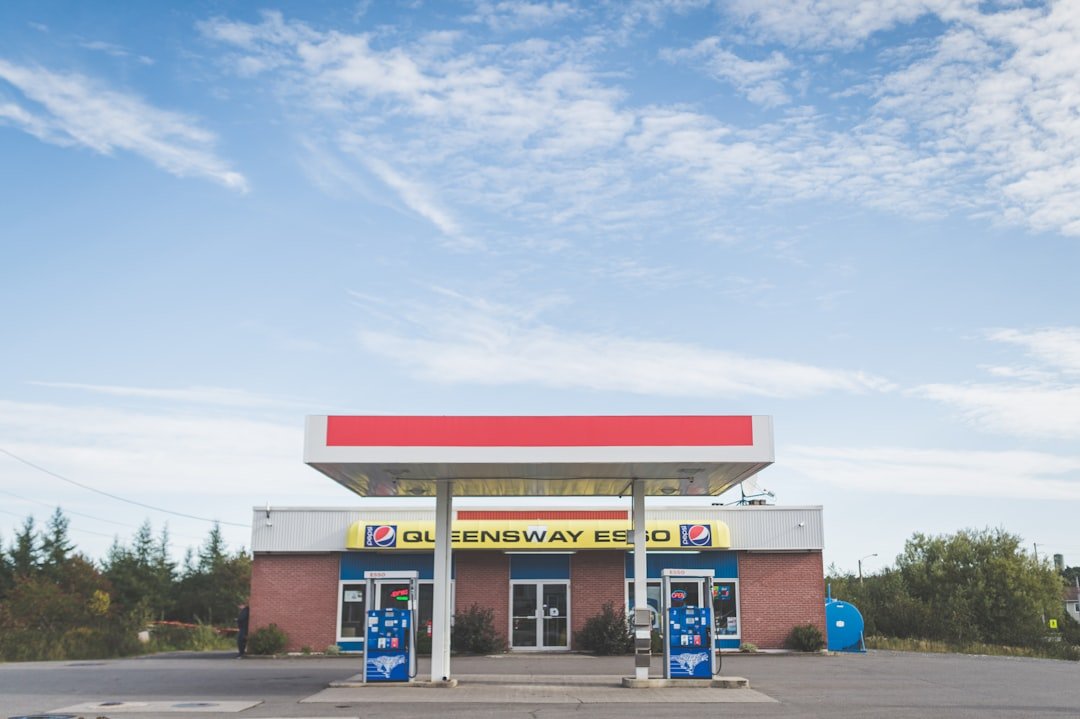
American families are reaching for credit cards and buy-now-pay-later schemes to fill their gas tanks as fuel costs consume a growing slice of household budgets, according to a new Bank of America report that lays bare how energy prices are squeezing working-class Americans.
The data shows lower-income households now spending a significantly larger portion of their paychecks on gasoline compared to a year ago, forcing many to finance what used to be a cash expense. What your grandparents paid for at the pump with folding money, today’s workers are putting on plastic and hoping to sort out later.
Bank of America’s Institute for Financial Health tracked debit and credit card transactions across millions of accounts. The findings confirm what many Americans already feel every time they fill up: gas isn’t just expensive—it’s reshaping how families manage money month to month.
Lower-income households are bearing the brunt. These families dedicate more of their earnings to transportation costs because they can’t move closer to work, can’t afford newer fuel-efficient vehicles, and often can’t work remotely. When gas prices climb, they don’t have cushion. They have choices: drive less, eat less, or borrow.
The turn to buy-now-pay-later services for fuel purchases marks a troubling shift. These payment plans, once reserved for discretionary purchases like electronics or clothing, are now financing basic necessities. Breaking gas purchases into installments means families are still paying for last month’s commute while this month’s tank runs low.
Credit card reliance for fuel also signals deeper stress. Unlike the pandemic era when many households paid down debt with stimulus checks and reduced spending, today’s environment offers no such relief. Inflation remains elevated, interest rates stay high, and real wages—what your paycheck actually buys—continue losing ground for many workers.
For retirees on fixed incomes, the squeeze hits differently but just as hard. Social Security checks don’t stretch further when gas costs more, and many seniors still drive regularly for medical appointments, grocery shopping, and staying connected with family. Their alternative to financing fuel is simply driving less and becoming more isolated.
The broader economy shows resilience in aggregate numbers—low unemployment, steady GDP growth—but household-level data reveals stress the averages mask. When families finance gasoline, they’re not building wealth or preparing for retirement. They’re treading water, and the interest charges pull them deeper.
Energy costs ripple through everything Americans buy since trucks move goods to stores. Higher fuel prices today mean higher food prices tomorrow, compounding the pressure on households already stretched thin.
Key Points
- Lower-income households spending significantly more of their paychecks on gas compared to last year, forcing many to use credit cards and payment plans for fuel
- Buy-now-pay-later services now financing basic necessities like gasoline, not just discretionary purchases, signaling deeper financial stress
- Fixed-income retirees facing same squeeze with no ability to earn more, forcing difficult choices between driving and other expenses
https://www.foxbusiness.com/economy/americans-lean-credit-cards-buy-now-pay-later-gas-prices-eat-bigger-share-income – May 11, 2026