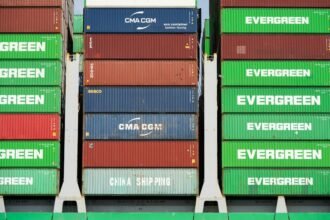
Amazon collected hundreds of millions of dollars in tariff-related price increases from American shoppers, then kept the money even after those tariffs were reduced or eliminated, according to a federal class action lawsuit filed in California.
The lawsuit alleges Amazon raised prices on imported goods when tariffs increased, citing higher costs. But when those same tariffs dropped or disappeared, the company didn’t lower prices to match—pocketing the difference instead of refunding customers who’d already paid inflated amounts.
Plaintiffs claim Amazon deliberately retained these funds to maintain favorable relations with the Trump administration during a period of trade negotiations and regulatory scrutiny. The company faces pressure on multiple fronts from Washington, including antitrust investigations and debates over its market dominance.
For millions of Americans who turned to Amazon during pandemic lockdowns and continued using the platform for everything from groceries to electronics, the alleged practice means they paid more than they should have. The lawsuit seeks class action status, which could encompass countless customers who purchased affected items.
Tariff pass-through costs have become a flashpoint in American retail. When import duties rise, companies typically justify price increases by pointing to their own higher costs. The implicit promise: when those duties fall, savings get passed along. This lawsuit argues Amazon broke that basic contract with consumers.
The timing matters. Throughout 2025 and into early 2026, tariff policies shifted repeatedly as trade relationships evolved. Companies had to adjust pricing constantly—or at least, they were supposed to. According to the complaint, Amazon adjusted prices in only one direction: up.
The hundreds of millions in question represent real money from real household budgets. For a family buying school supplies, kitchen appliances, or holiday gifts through Amazon, even small overcharges add up. Multiply that across Amazon’s massive customer base, and the numbers become staggering.
Amazon has not yet filed a formal response to the lawsuit. The company’s legal team will likely argue pricing decisions involve complex factors beyond simple tariff calculations, including shipping costs, currency fluctuations, and supplier negotiations.
But the core allegation cuts through that complexity: if you raised prices because of tariffs, you should lower them when those tariffs disappear. Anything else looks like using trade policy as cover for profit-taking at customer expense.
The case now moves through federal court in California, where judges will determine whether it meets the standards for class action certification. That decision could affect whether millions of Amazon customers see any portion of their money returned.
Key Points
- Amazon allegedly raised prices when tariffs increased but kept prices high even after those tariffs were reduced or eliminated
- Lawsuit claims the company retained hundreds of millions in overcharges to maintain favorable standing with the Trump administration
- Case seeks class action status that could affect millions of customers who paid inflated prices on imported goods
https://www.foxbusiness.com/economy/amazon-accused-keeping-hundreds-millions-tariff-costs-curry-favor-trump-administration – May 16, 2026