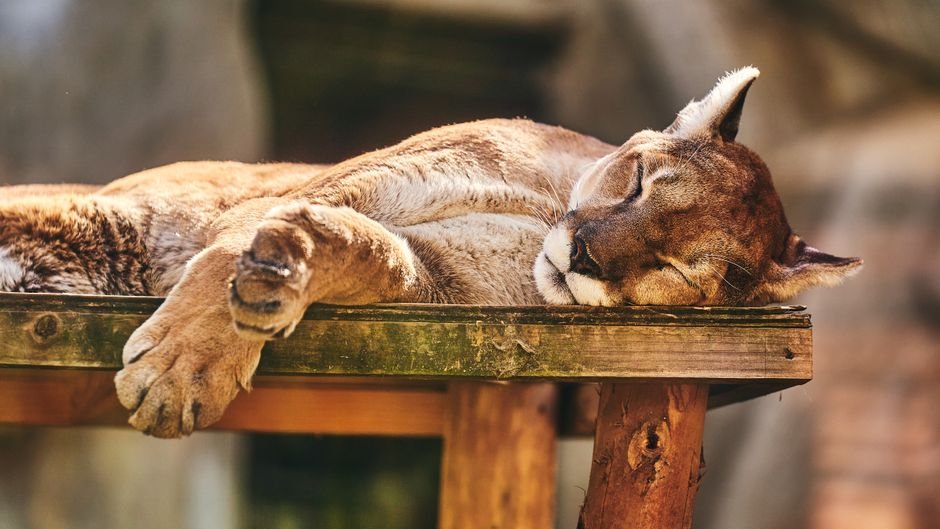
Mountain lion attacks on livestock and pets are climbing in rural Colorado, Wyoming, and Montana, sparking a showdown between wildlife officials pushing expanded protections and ranching communities demanding the right to defend their property and families.
State wildlife agencies report cougar populations have rebounded dramatically over the past two decades—a conservation success story that’s now colliding hard with rural reality. Ranchers are losing calves, sheep, and guard dogs to predation. Homesteaders are finding tracks within yards of their children’s play areas. And local governments are fielding urgent calls about lions prowling suburban fringes at dusk.
Conservation Groups Push for Hunting Restrictions
Environmental organizations argue that increased human development into traditional lion habitat—not overpopulation—is driving conflicts. They’re lobbying state legislatures to reduce hunting quotas, ban hound hunting for cougars, and establish no-kill buffer zones around national parks. The Mountain Lion Foundation claims current harvest levels are unsustainable and threaten genetic diversity in fragmented populations.
Wildlife biologists note that mature male lions are territorial and actually suppress younger, more reckless cats from entering populated areas. Removing dominant males through hunting, they argue, can paradoxically increase human encounters by destabilizing lion social structure.
Rural Communities Demand Management Authority
Ranchers and rural county commissioners paint a different picture. They point to livestock kill records showing steady increases in predation losses—economic hits that federal compensation programs rarely cover fully. More alarming to many families are close encounters: lions stalking school bus stops, killing dogs on front porches, and trailing hikers on public trails.
Hunting advocates argue that regulated cougar hunting isn’t just recreation—it’s essential population management that keeps lions wary of humans. They resent being told by urban-based environmental groups that their longtime predator management practices are suddenly unacceptable. Several rural counties have passed resolutions demanding state wildlife commissions, increasingly dominated by non-hunting appointees, restore local input into predator policy.
What’s at Stake Beyond the Statistics
This fight cuts deeper than population models and harvest data. For ranching families, it’s about whether their traditional livelihoods still matter to policymakers. For conservationists, it’s about whether apex predators have permanent space in a developed West. And for state wildlife agencies caught between, it’s about who gets to define “balance” when lions, livestock, and people share shrinking space.
The real test comes this winter, when state legislatures consider competing bills—some expanding lion protections, others loosening kill permits for property owners.
Key Points
- Mountain lion populations have rebounded significantly, increasing conflicts with ranchers and rural homesteaders across Western states
- Conservation groups seek reduced hunting quotas and buffer zones, while rural communities demand authority to manage predator threats to livestock and families
- State legislatures will decide this winter whether to expand lion protections or loosen kill permits for property owners
Aporia News – October 25, 2026